15th December 2016No Comments

London Architecture Tour 2 // Journal 83

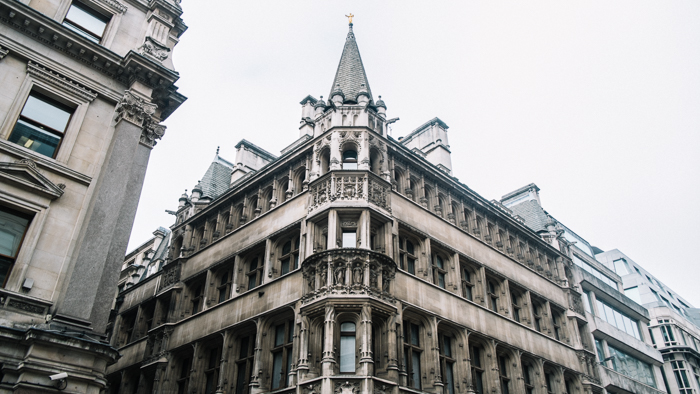
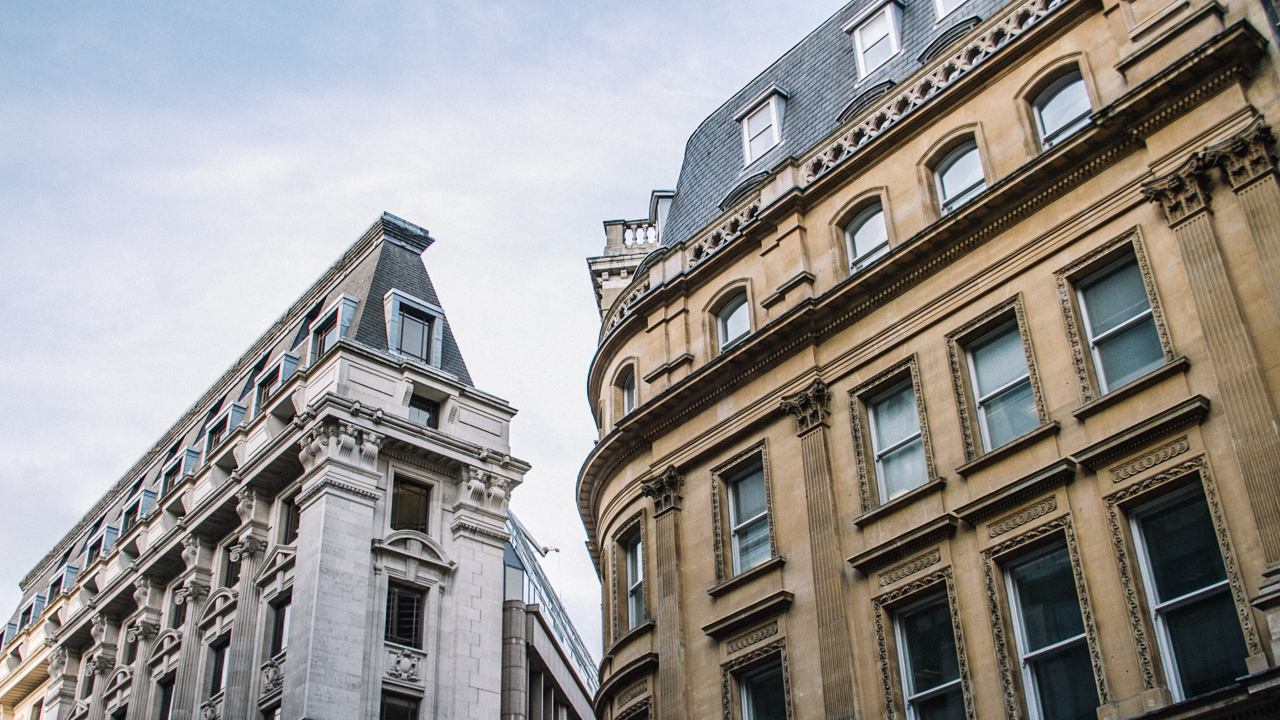
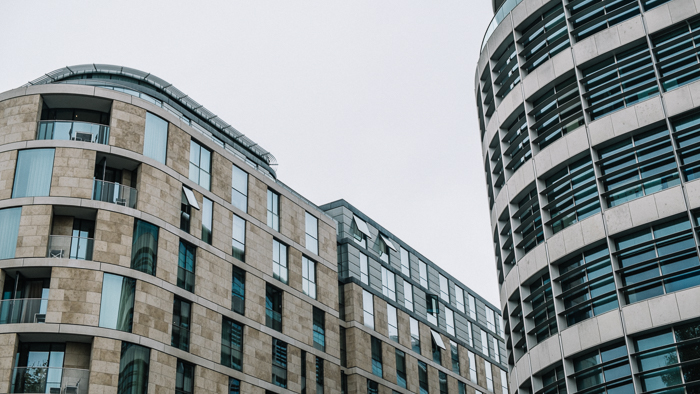
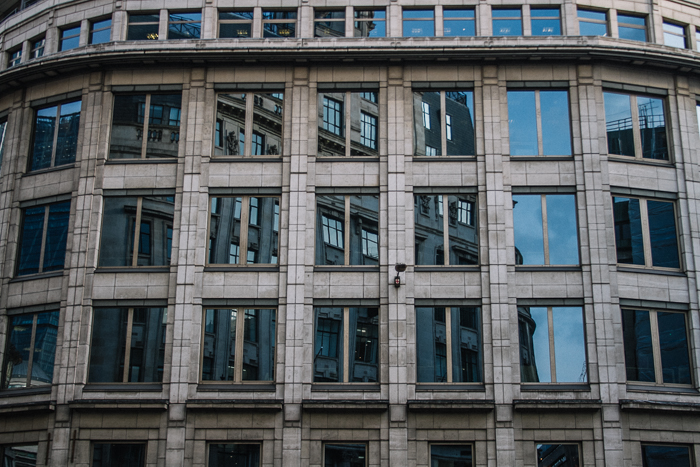
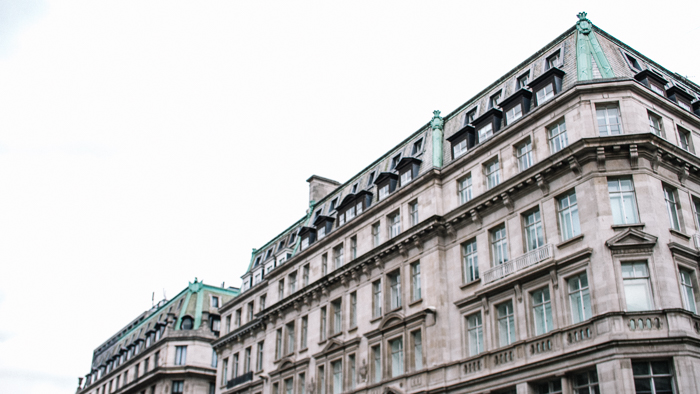
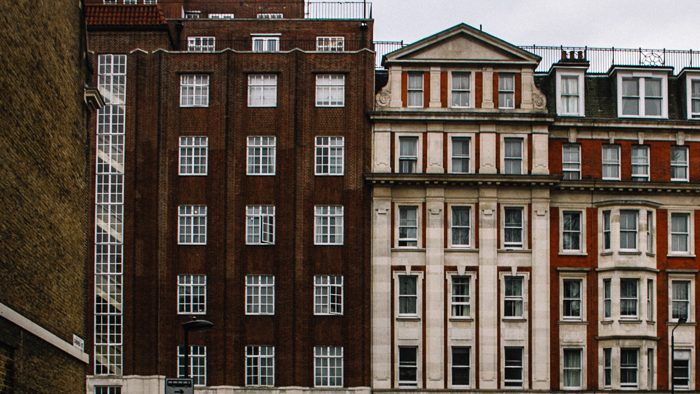
London is a truly exquisite city and for all the trials and tribulations it's given me I feel compelled to continue paying homage to it. If you've seen the Jim Carey movie 'Eternal Sunshine of the Spotless Mind' you may have considered the possibility of erasing painful memories from your past in order to move on. The paradox however is that without those experiences however sweet or painful, one cannot grow as a person and learn any lasting lessons. I wrote a little poem during my trip to Coimbra in which I say 'the ups and downs they must exist for you to feel as one'. This was inspired by the painter Bob Ross who said "Gotta have opposites dark and light, light and dark in painting. It’s like in life. Gotta have a little sadness once in a while so you know when the good times come." I feel its all a matter of perspective. So many areas of London I took for granted and with each return visit I fall in love with them more and more. Here are some of those hidden gems:

PART 1 // PART 2

city of london sunrise[separator type="thin"]

Architectural Gems

[separator type="thin"]

There has always been a connection between power and architecture. Dictators such as Saddam Hussein and Adolf Hitler built structures (see the Republic Palace and Reich Chancellery) to define their regimes and serve as a physical footnote of their legacy. During my trip to Rome this time last year I visited EUR, a lesser known district just outside the capital. The use of white marble in EUR is a clear symbol of racism of the fascist so no wonder it was chosen by Mussolini as the site for the 1942 world's fair.

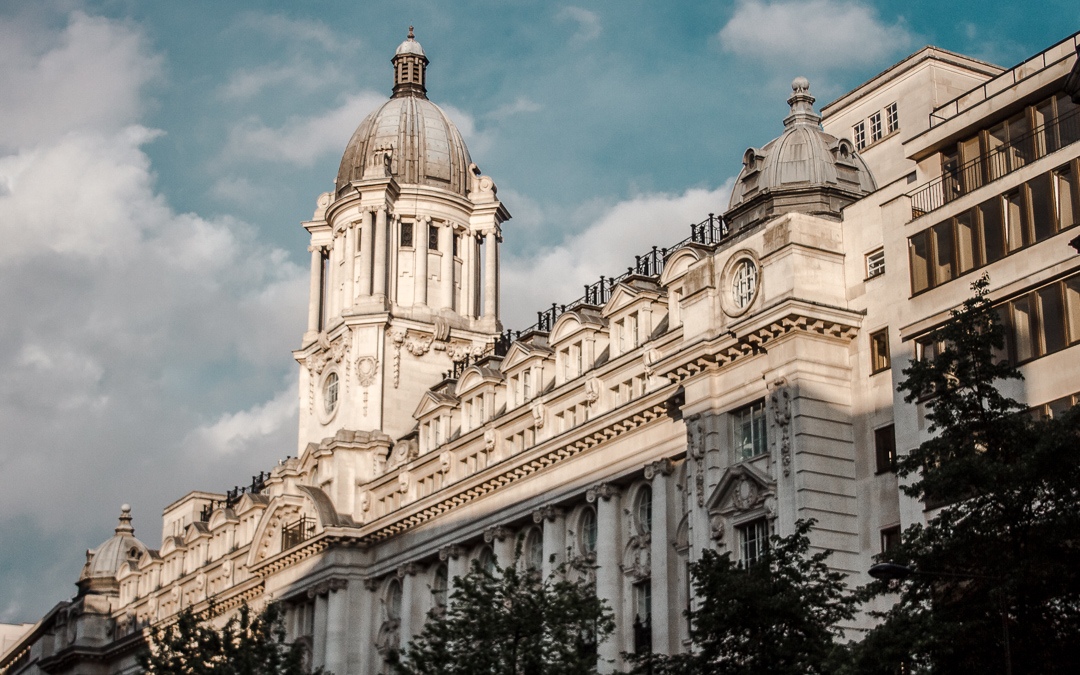
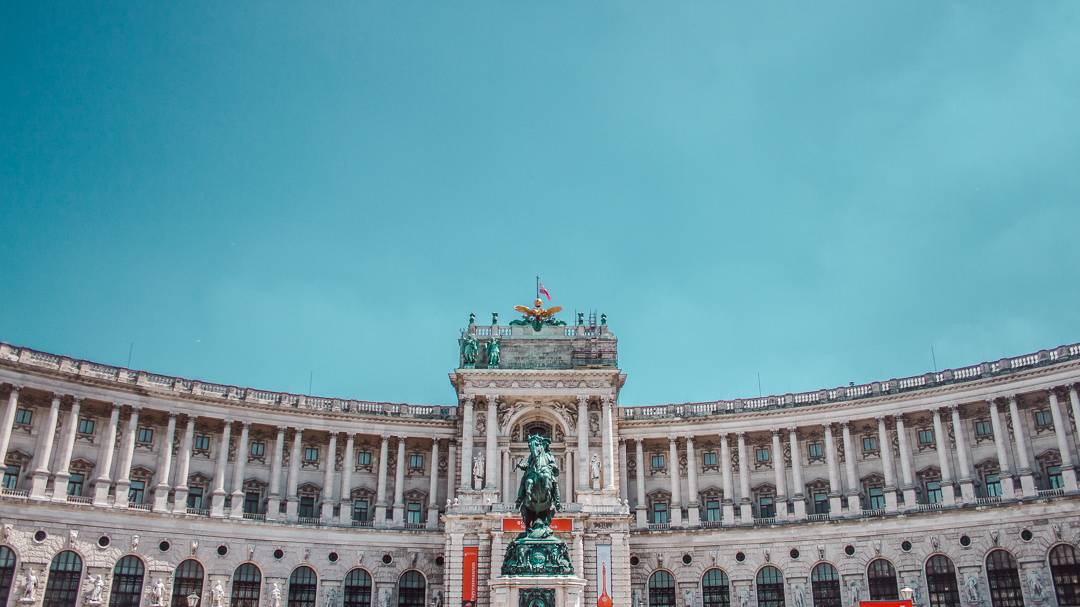
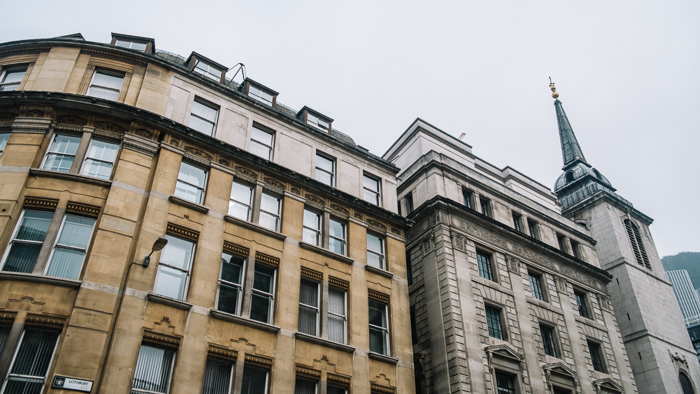
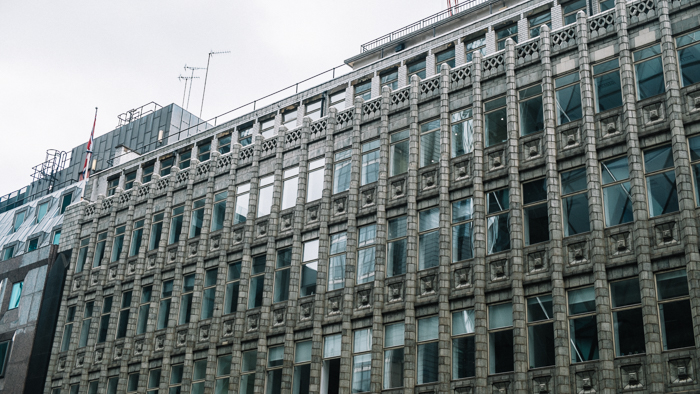
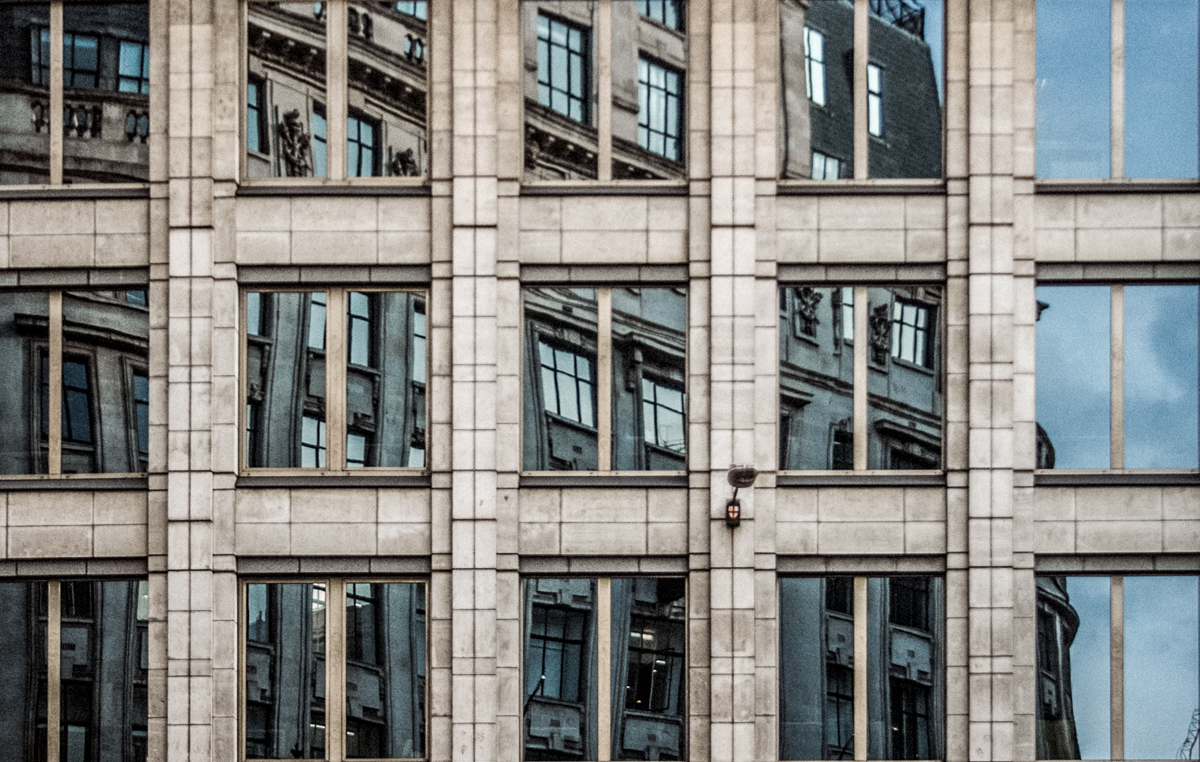
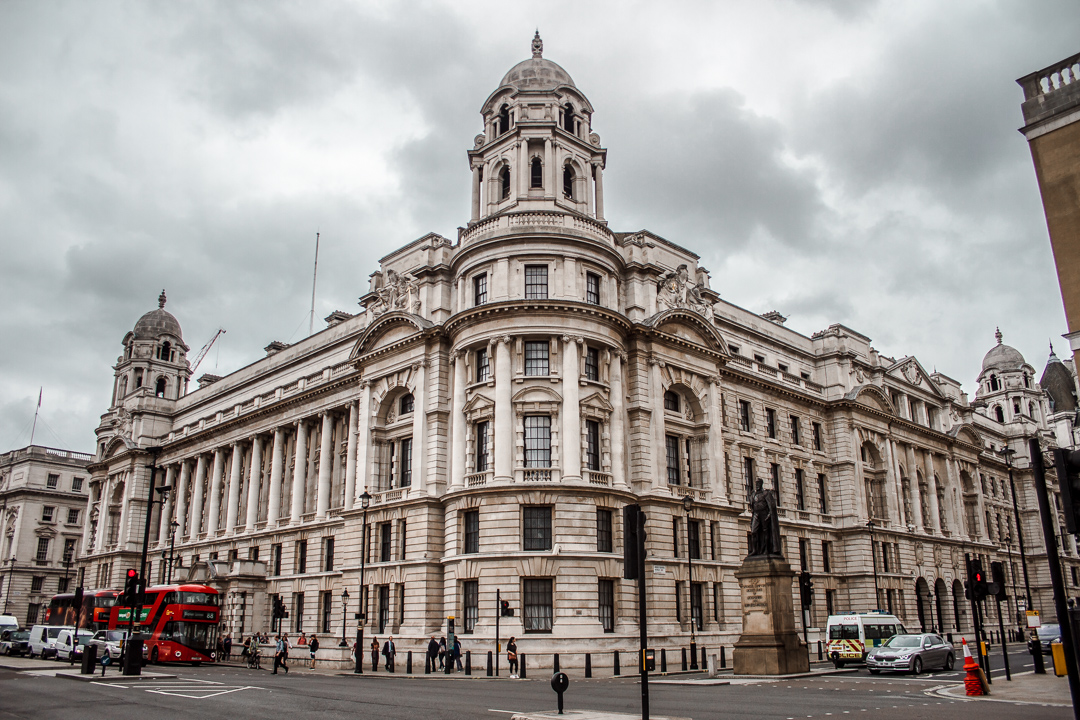
The keen desire of public and educational administrators to build buildings (also known as the Edifice Complex) can be seen all around central London. Starting from Westminster and Houses of Parliament and continuing down Whitehall to Churchill War Rooms and Downing Street, there is a distinct imperial feel. As you're enveloped by the listed architecture its easy to forget the amount of history that these buildings have been a part of. Outlasting numerous public servants and world war bombing raids they're the real treasures of the capital.

famous london architecture modern tour-2 copy

[separator type="thin"]

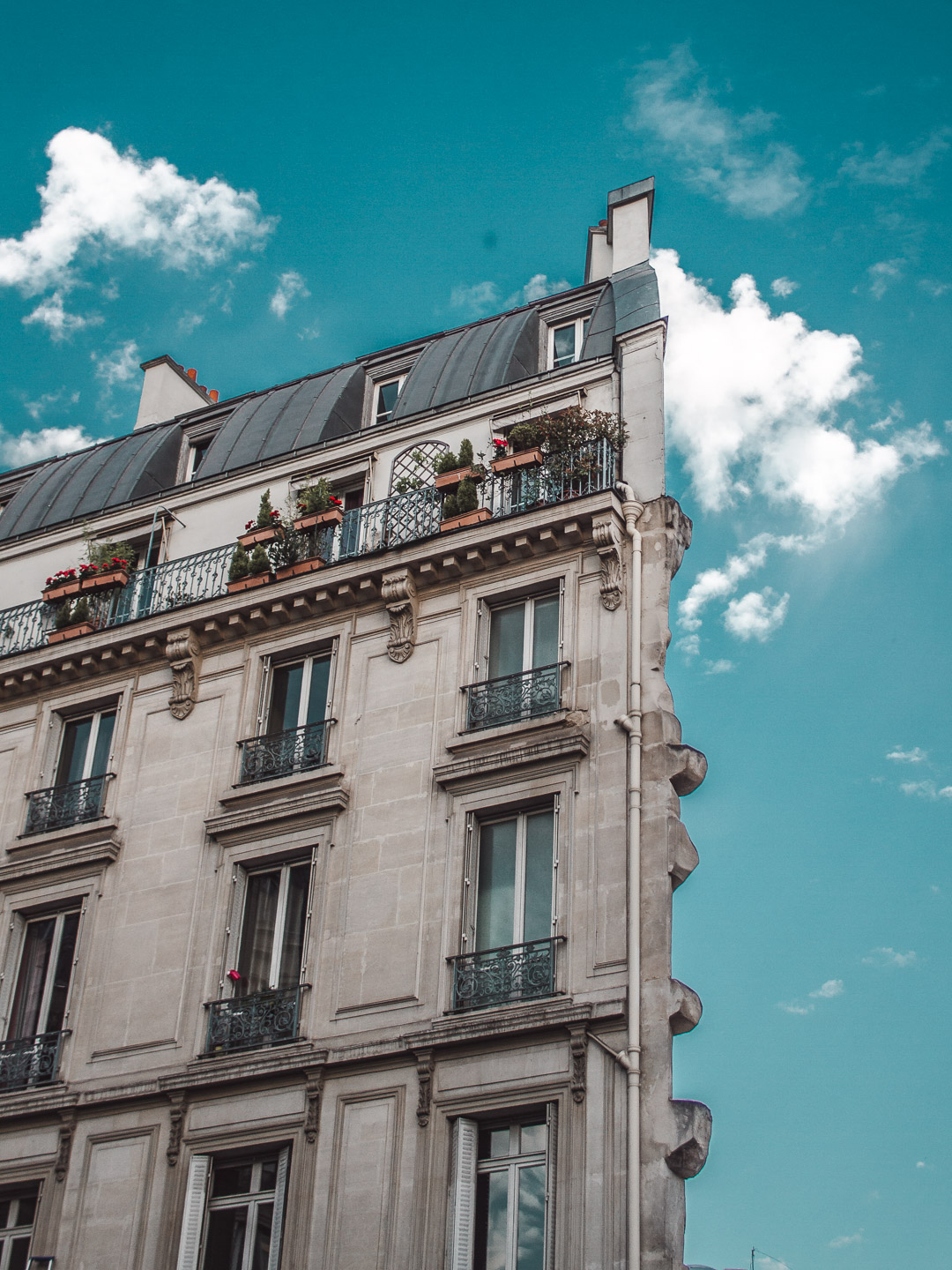
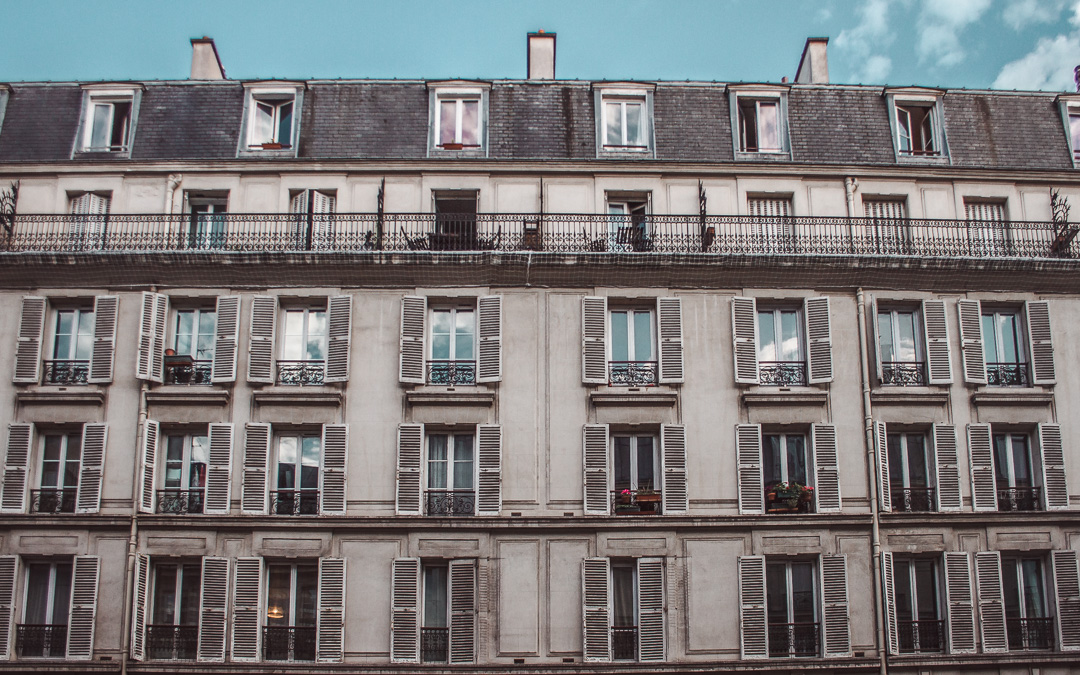
Look Up London

[separator type="thin"]

I'm not an architect but I do appreciate the effort that someone has had to go through to create something of lasting significance. Everything around us came from a simple audacity of imagination and one only has to go outside to see its hidden beauty. All you need is a working pair of eyes and a healthy dose of curiosity. So go. Explore.

[separator type="thin"]

CLICK HERE FOR PART 1

[separator type="thin"]

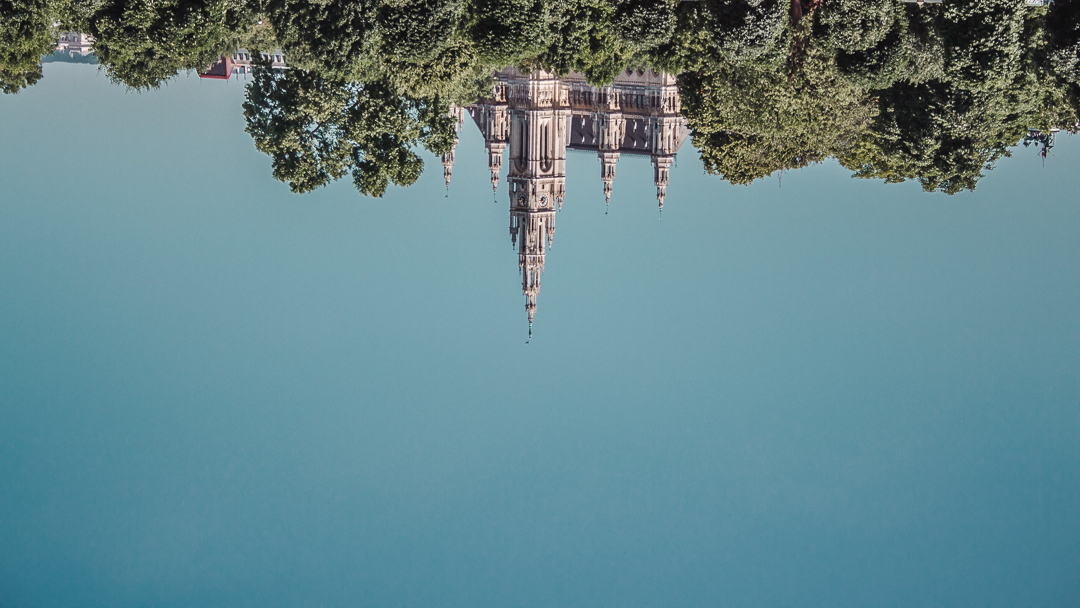
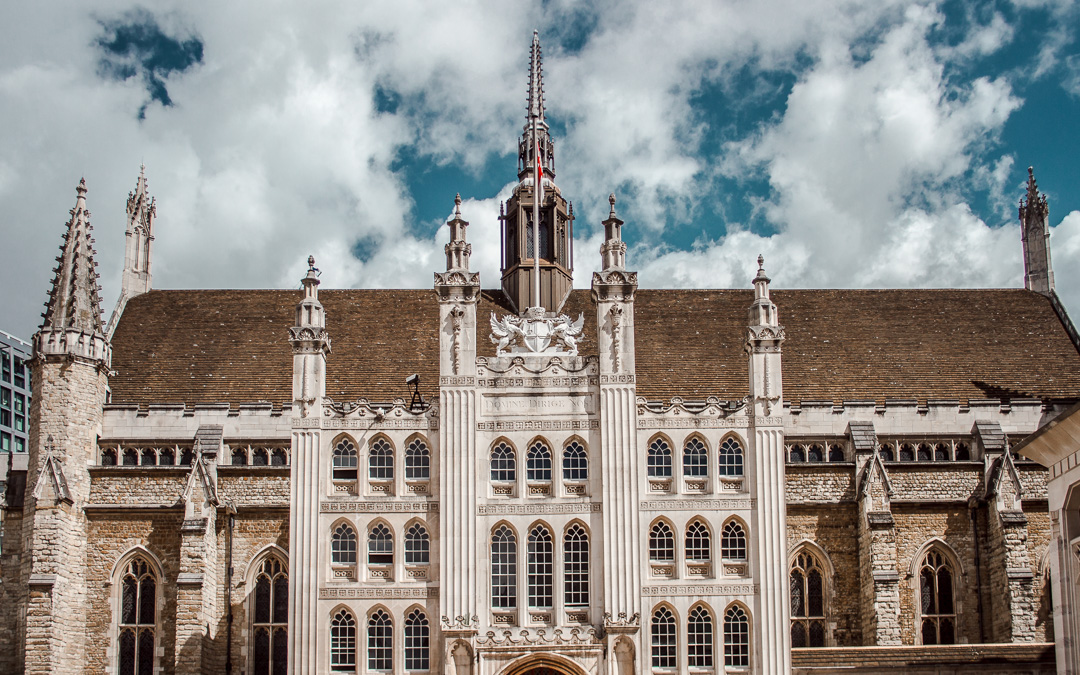
guildhall london

[separator type="thin"]

STYLEGRAM

[separator type="thin"]

Thanks for reading my latest article. Give it a share using the links below so others can enjoy it too. For more check out my latest lookbook from Paris, street style from London Collections or my trip to the magical city of Coimbra.

As always stay classy and if you have a story you wish to share please contact editorial@thestyledivision.com or tag your social posts with #DVSN

INSTAGRAM | TWITTER | FACEBOOK | PINTEREST

14th December 2016No Comments

London Architecture Tour 1 // Journal 82

Nearly everybody lives and works in buildings. They protect us from the weather and form part of our day to day lives. But buildings are much more than practical places. Since the birth of architecture, buildings have also been regarded as things of beauty and meaning. They express the values and beliefs of the people that created them. This 2 part series explores architectural pieces that I came across in London and the hidden beauty of their design. So the next time you take a stroll through our capital don't get distracted by your phone. Look around!

PART 1 // PART 2

[separator type="thin"]

Look Up London

[separator type="thin"]

rosewood hotel london sunset

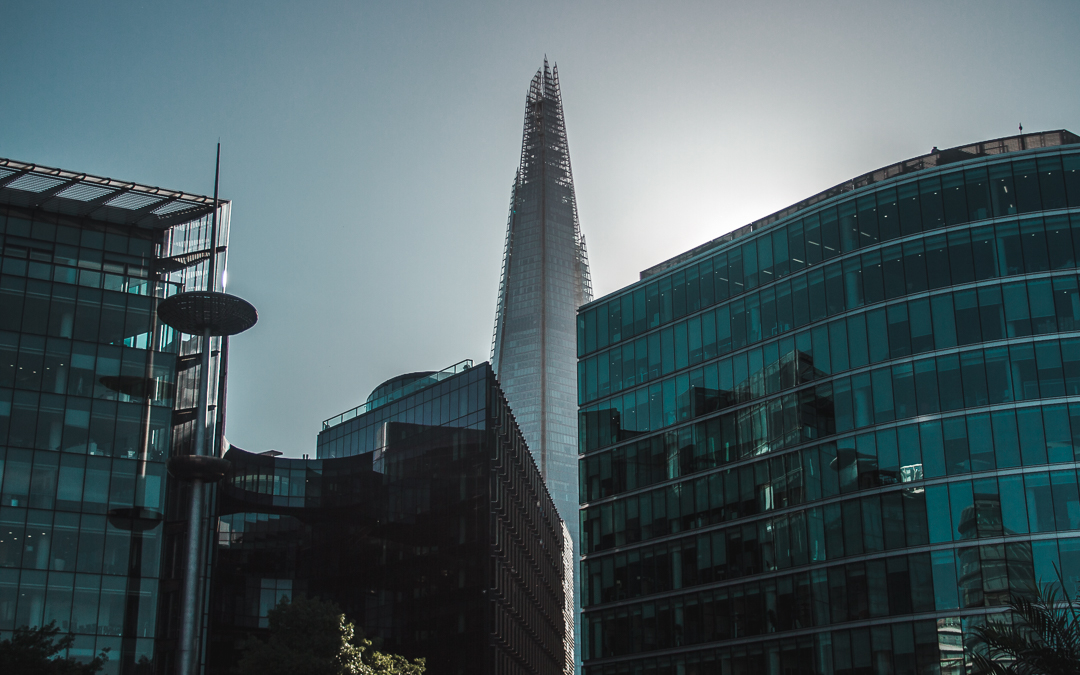
From cloud-piercing towers of glass to stone cathedrals, churches and slabs of brutalist concrete. Taking a walk through London is like immersing yourself in a history of architecture. The concrete shapes of the Southbank Centre have been drawing crowds since the 50s while St Paul's Cathedral for me is more iconic than Big Ben will ever be. The price of admission of living in this city is countered by the fact that you're never more than a few tube stops away from an area that's prime for a bit of urban exploration.

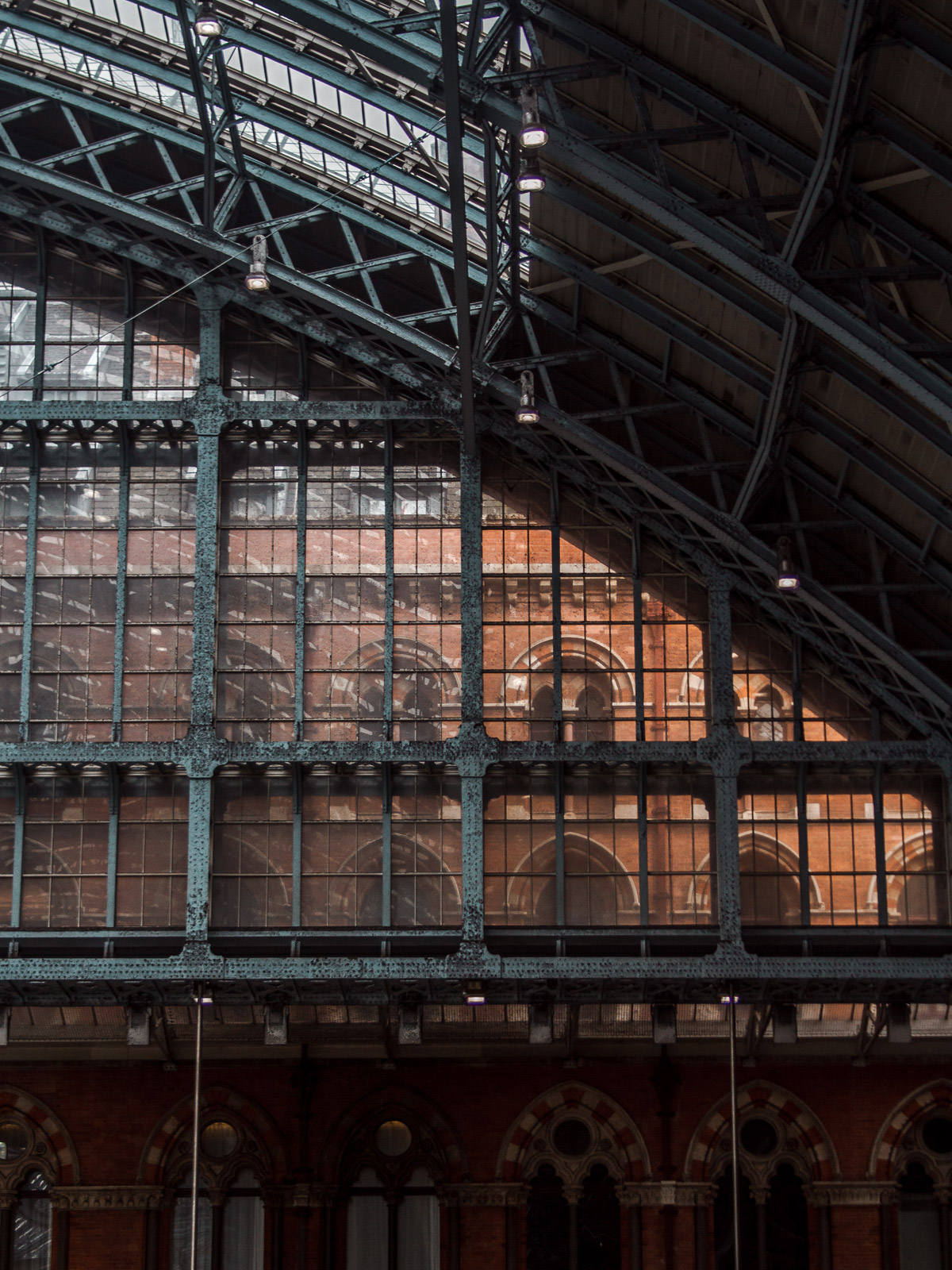
Each area in London can be a city in its own right. From the hustle and bustle of Kings Cross to the up and coming Aldgate or City of London, there's something here for everyone. It is said that a building captures the thoughts and feelings of the architect at a precise moment in time. If you need any more evidence of how chaotic and beautiful our minds are just take a walk around your city. Every single brick, beam or column came from somebody's imagination. Almost like your most ambitious Lego or Minecraft project brought to life on an epic scale.

[separator type="thin"]

Hidden Beauty

[separator type="thin"]

kings cross st pancras interior

In my mind there are no rules to architecture. Sure, you may have sustainability and budget constraints but really an architects only limit is his imagination. The buildings we see around us are a testament to willpower and a sense of belief each one of us must develop. Iconic structures such as Tower Bridge and St Paul's Cathedral were ridiculed prior to their construction by bureaucrats and yes-men. If it wasn't for the persistence and slight insanity of people such as Sir Christopher Wren these structures would have likely never seen the light of day.

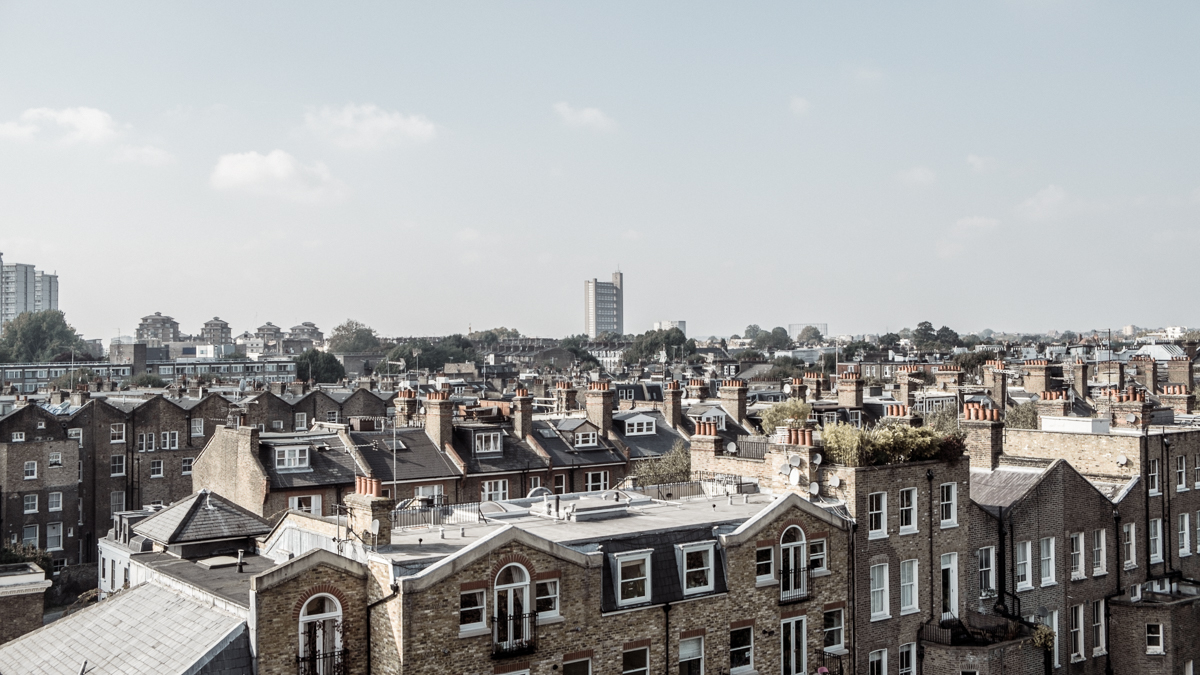
It must be said that the modern structures such as tower blocks and semi-detached houses for your 2.5 children are the antithesis of what I'm talking about. The lack of passion of passion almost seeps through the inevitable cracks. Built to serve a singular purpose it's sad to see these designs spread through London like wildfire. Since this city is under construction 24/7 perhaps a major redevelopment (like the one undertaken in Paris between 1853 and 1870) is just what we need 😉

[separator type="thin"]

CLICK HERE FOR PART 2

[separator type="thin"]

london cityscape[separator type="thin"]

STYLEGRAM

[separator type="thin"]

Thanks for reading my latest article. Give it a share using the links below so others can enjoy it too. For more check out my latest lookbook from Paris, street style from London Collections or my trip to the magical city of Coimbra.

the shard london

As always stay classy and if you have a story you wish to share please contact editorial@thestyledivision.com or tag your social posts with #DVSN

INSTAGRAM | TWITTER | FACEBOOK | PINTEREST

14th October 2016No Comments

The Dark Side of Rome’s Architecture

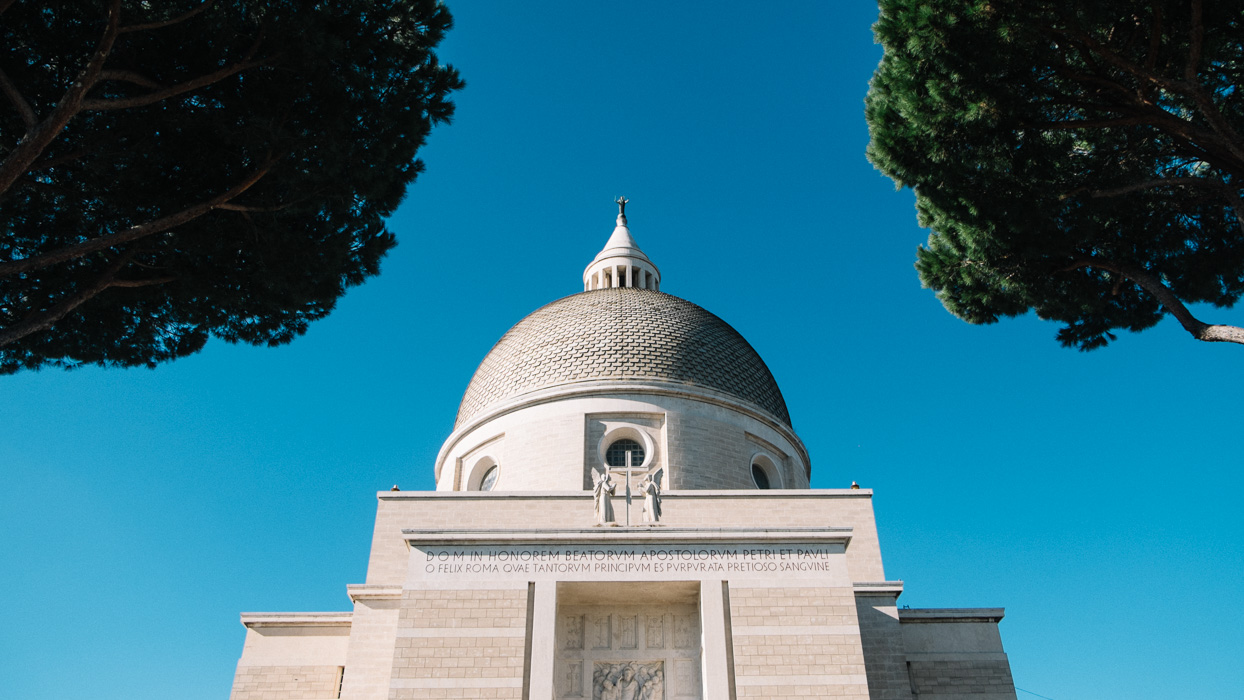
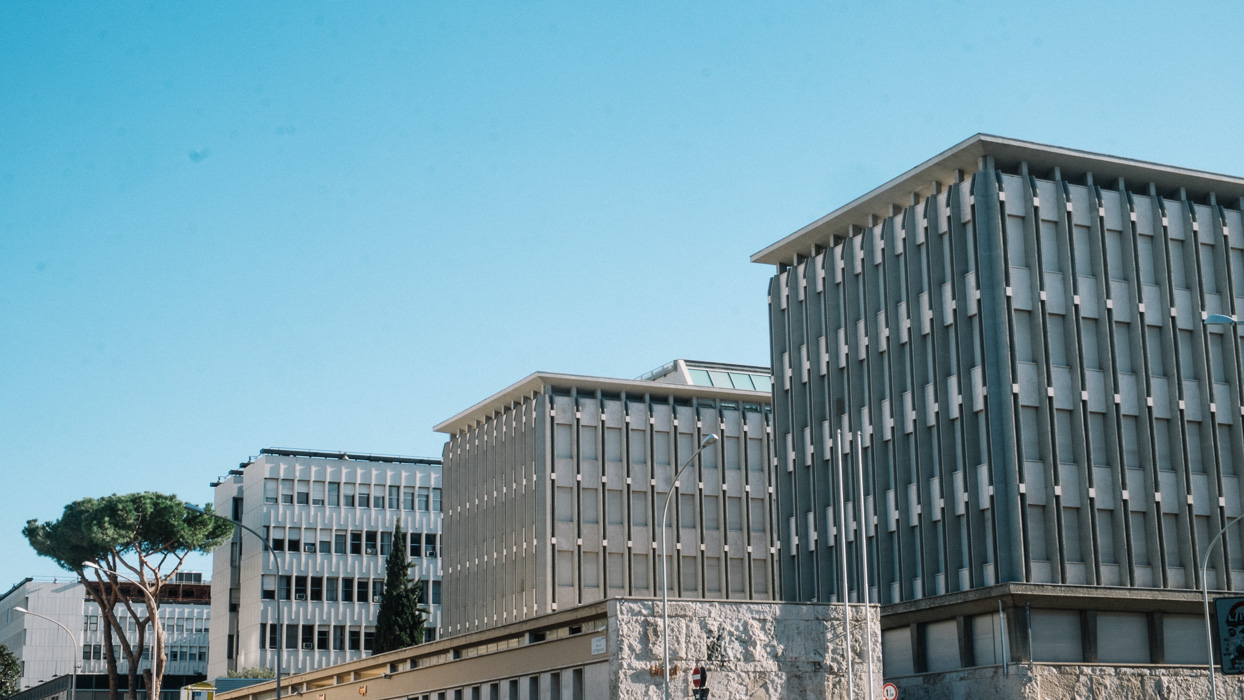
Just strolling through Rome left me with an unforgettable experience. When you're surrounded with that much history and culture a little bit of it does rub off on you. When I woke up in my AirBNB apartment on Day 2 I decided to do something different. Most people will visit the Coliseum and explore the city but with my obsession with architecture reaching new levels I took a short train ride out of the city into an area called EUR. EUR stands for Esposizione Universale Roma, a worlds fair that the dictator Benito Mussolini and his administration planned for 1942, to celebrate 20 years of Fascist rule in Italy.

[separator type="thin"]

[separator type="thin"]

Ss. Pietro e Paolo a Via Ostiense

[separator type="thin"]

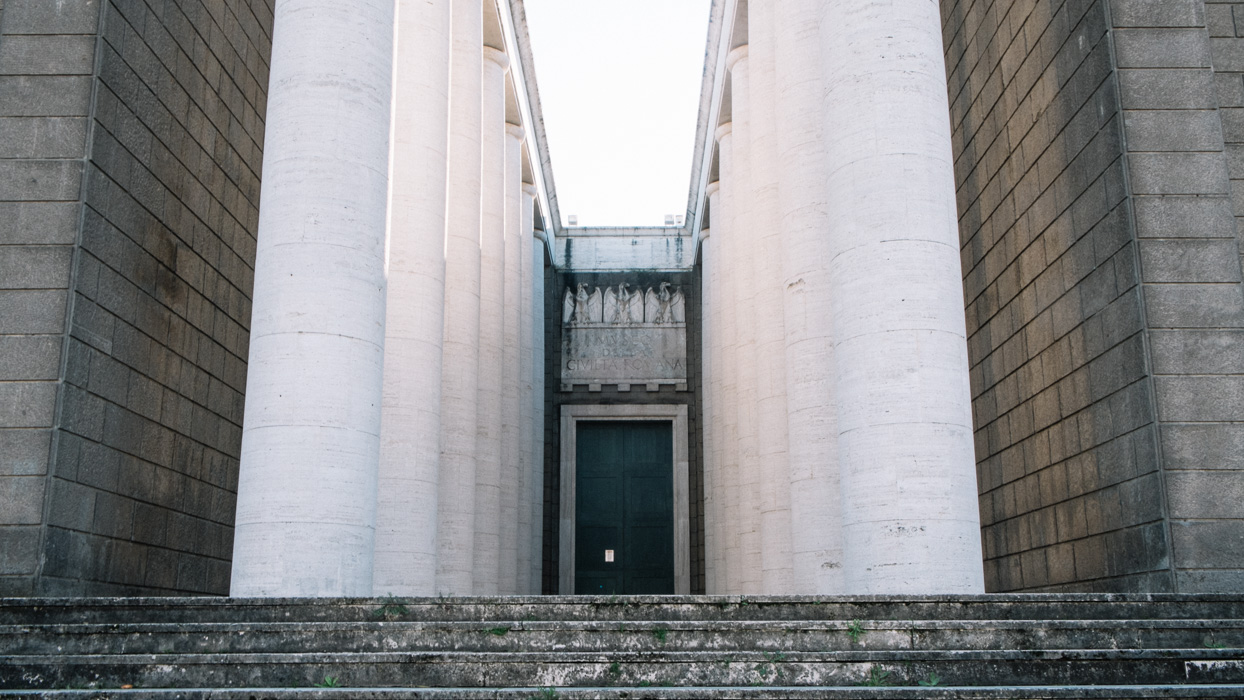
Diane Ghirardo (author of Italy: Modern Architectures in History) describes the Fascist Italian culture during the 1940's as one that strived to create "exquisite images of desired realities". The original plan was for EUR to draw heavily on Rome’s extraordinary heritage and purity which explains why so many structures were made out of white marble, a clear symbol of oppression and racism of the fascist regime.

rome italy eur architecture explore fujifilm photography-17

[separator type="thin"]

rome italy eur architecture explore fujifilm photography-17

[separator type="thin"]

Palazzo della Civilita Italiana

[separator type="thin"]

Palazzo della Civilita Italiana

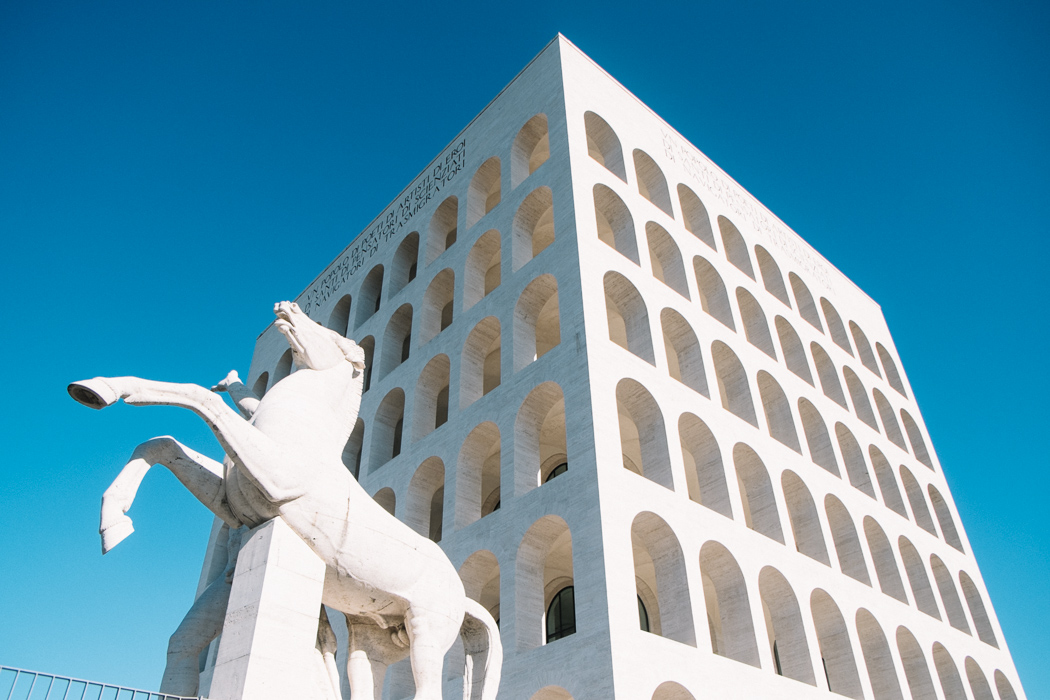
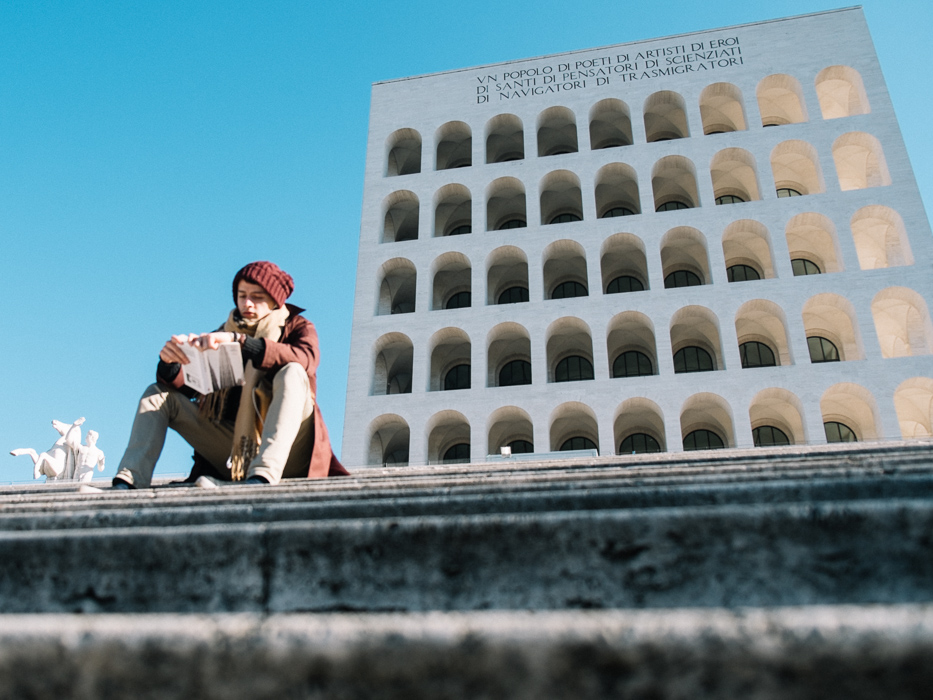
The Palazzo della Civiltà Italiana, also known as the Palazzo della Civiltà del Lavoro or simply the Colosseo Quadrato (Square Colosseum), is an icon of Fascist architecture. This grandiose building was designed in 1937 to host the Mostra della Civiltà Romana during the 1942 World Fair by Italian architects Giovanni Guerrini, Ernesto Bruno La Padula and Mario Romano.

Across all four sides of the building runs the inscription taken from a speech of Benito Mussolini on 2 October 1935:"Un popolo di poeti, di artisti, di eroi, di santi, di pensatori, di scienziati, di navigatori, di trasmigratori" (a nation of poets, of artists, of heroes, of saints, of thinkers, of scientists, of navigators, of migrants). This shows how even a dictator's ideologies can look perfect on paper but actions speak louder than words as history has shown us time and time again.

[columns_row width="half"]
[column]
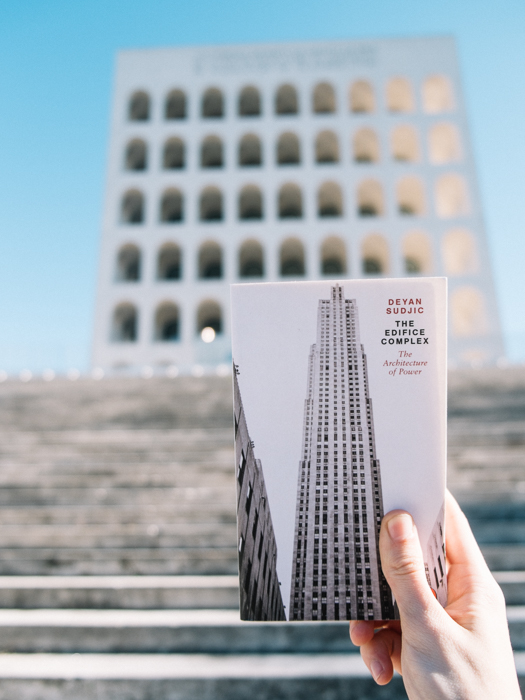
The Edifice Complex: The architecture of power:

[/column]
[column]

The Edifice Complex: The architecture of power rome

At the time of travel I was reading a book by Deyan Sudjic called "The Edifice Complex" which explores the intimate relationship between power, money and architecture in the twentieth century. It's a fascinating read as the book really nails down the motivations behind each dictators actions.

[/column]
[/columns_row]

Fascist architecture Benito Mussolini eur whiite Palazzo della Civilita Italiana

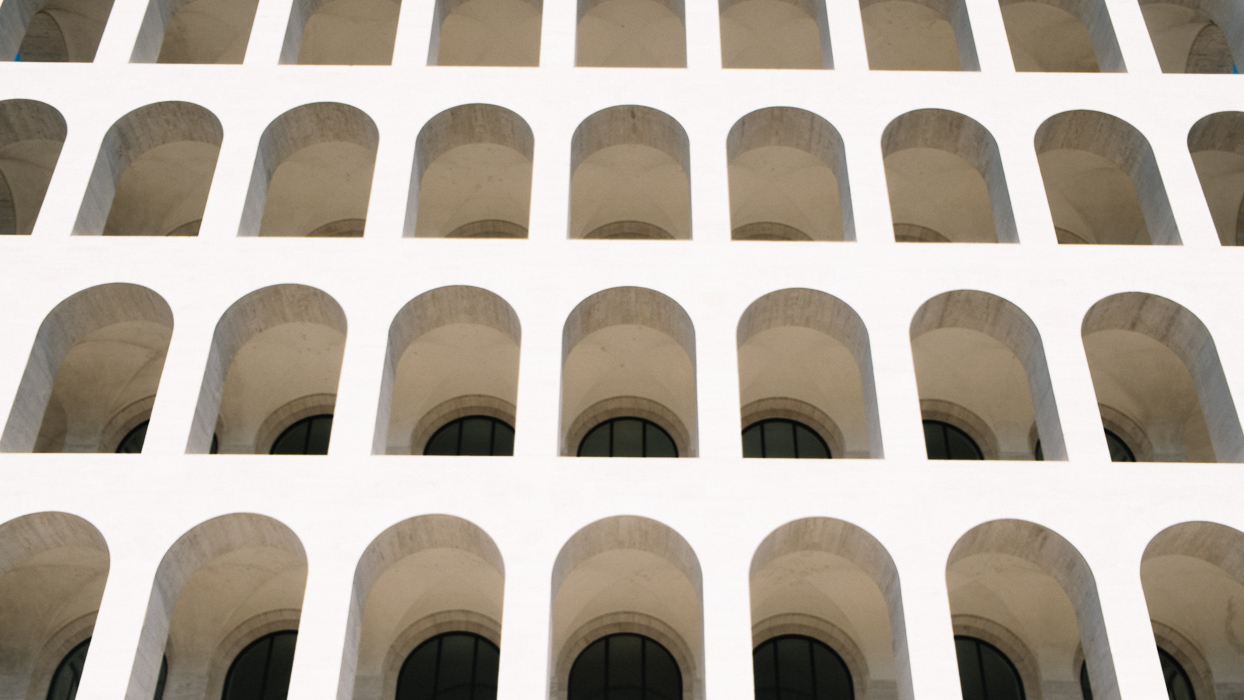
Palazzo della Civiltà del Lavoro was built as a modern celebration of the Colosseum and inspired by older Roman landmarks although Benito Mussolini did manage to instil a piece of himself within it. The façade of six rows of nine arches each is meant to represent the Fascist dictator name (Benito having six letters and Mussolini nine) and stand the test of time after his death in 1945.

[separator type="thin"]

EUR, Rome Architecture Photography

[separator type="thin"]
rome italy eur architecture explore fujifilm photography-54

Colosseo Quadrato provides us with a rare glimpse into urban Italy and the possibilities that would have unfolded had the regime not fallen during the war. The left over architectural style is often called simplified neoclassicism with large, symmetrical streets and white buildings with austere facades dominating the view. I really enjoyed getting lost in EUR and walking through scenes that wouldn't look out of place in La Dolce Vita so if you ever get the chance to visit Rome, take a risk and venture outside the city. You never know what you might find.

[separator type="thin"]

[separator type="thin"]

[separator type="thin"]

STYLEGRAM

[separator type="thin"]

If you enjoyed this post make sure to share it with your friends using the links below and check out my latest lookbook in which I explore the North / South divide wearing a custom made Farah shirt.

As always stay classy and if you wish to be featured in one of our roundups please contact editorial@thestyledivision.com or tag your social posts with #styledivision

INSTAGRAM | TWITTER | FACEBOOK | PINTEREST

13th October 2016No Comments

Vienna, Austria // Journal 70

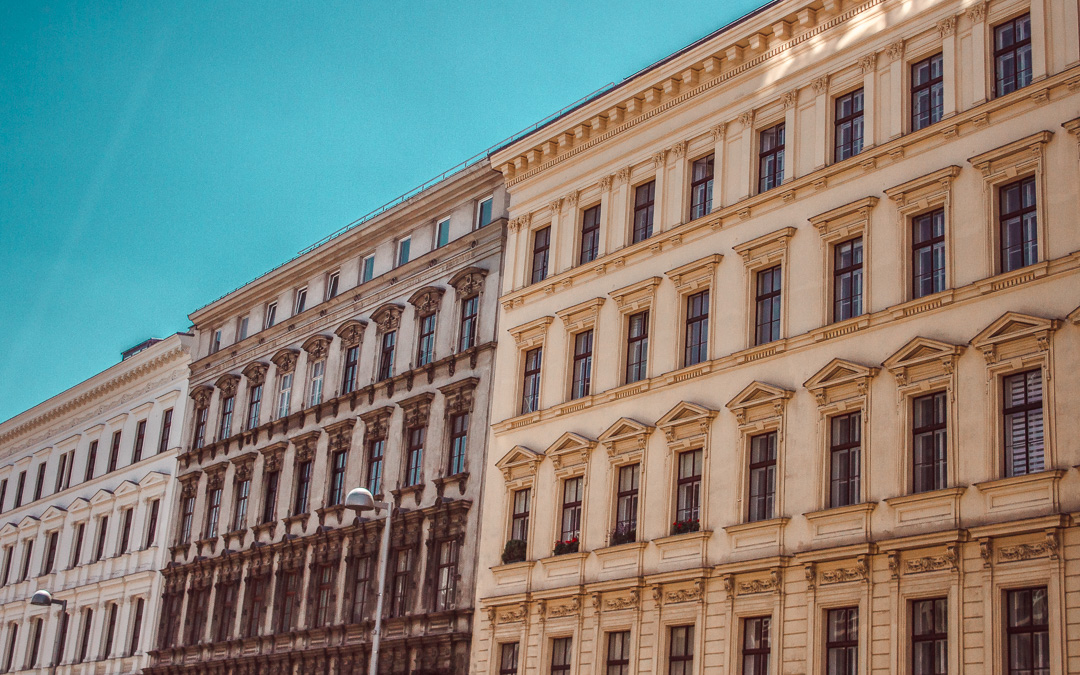
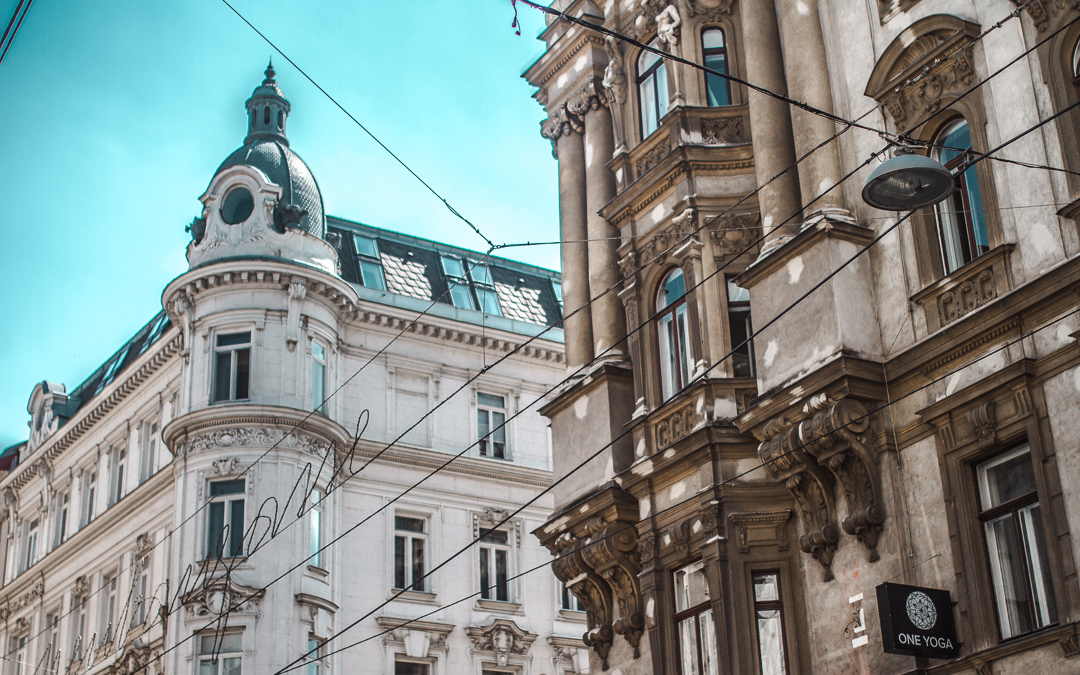
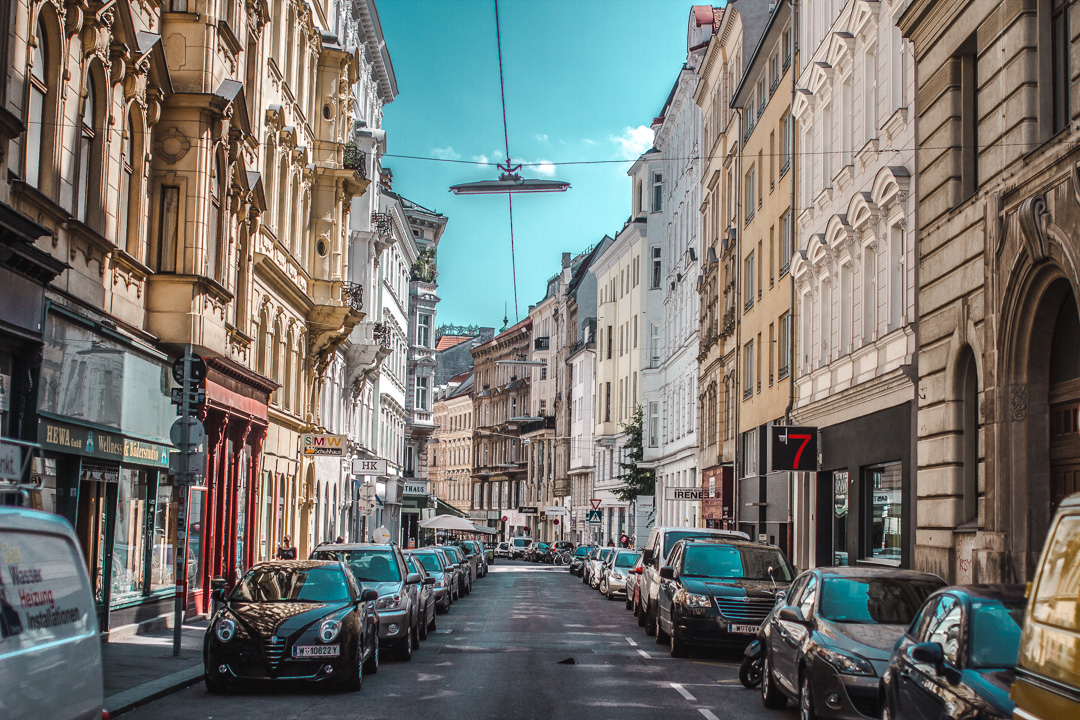
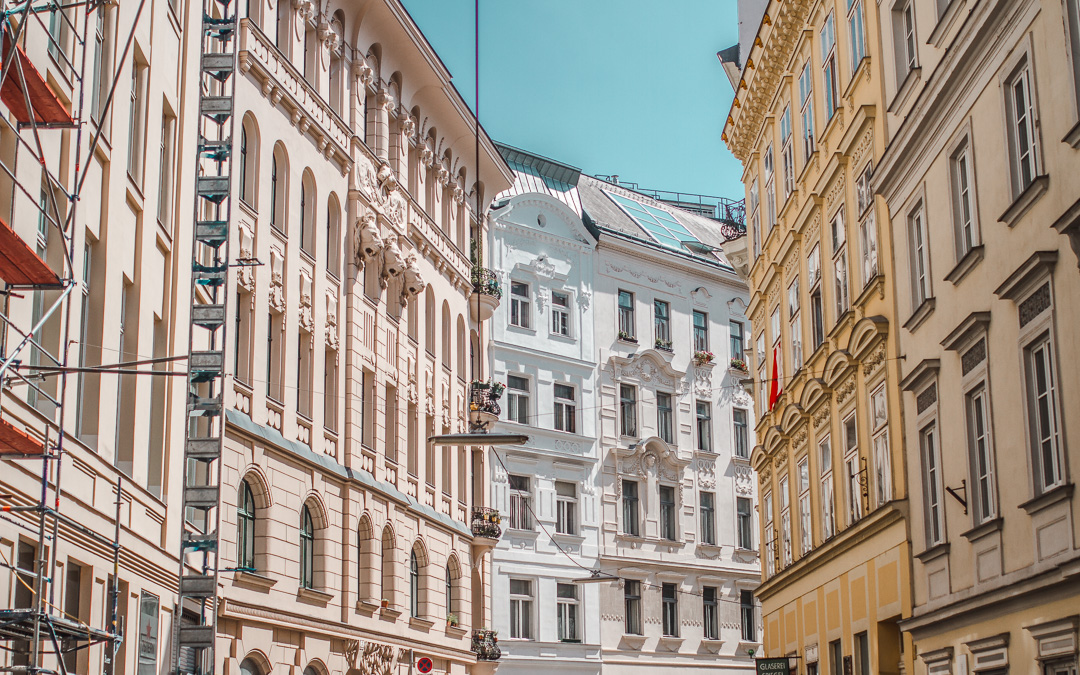
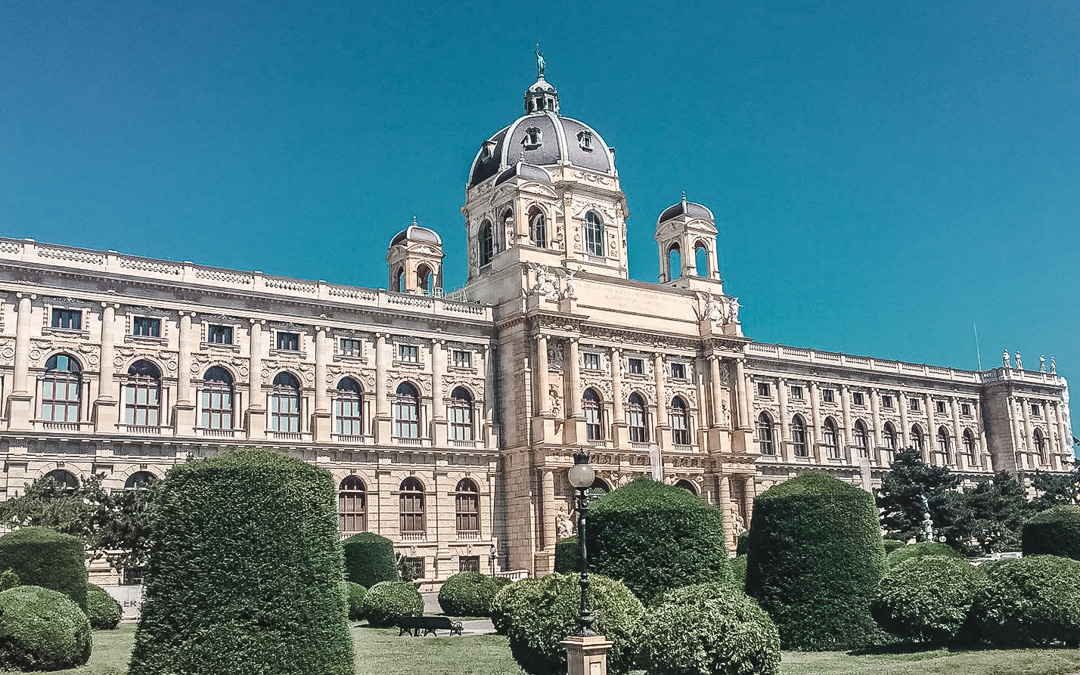
It’s been a summer of non stop travel so when I had the chance to spend a day in Vienna I jumped at the opportunity. Not many cities can boast the imperial grandeur of Vienna, once the centre of the powerful Habsburg monarchy. Hints of imperial architecture can be seen all around the city, intertwined with historic streets and churches. Vienna is the perfect city to explore on foot with idiosyncratic districts such as Neubau, Josefstadt and Leopoldstadt serving as backdrop to your late night strolls.

[separator type="thin"]

Streets of Vienna

[separator type="thin"]

blogger travel wanderlust austria

The trip was organised by the team from Neubau Eyewear who got the local radio host to guide us through the busy streets while explaining the unique Austrian culture. As the Austrian Empire grew and expanded over 60 years it left its mark on Europe. The tall, imperial buildings, trams and contemporary museums still define the city and as someone who spent his childhood in Eastern Ukraine, I couldn’t shake the feeling that I stepped back in time.

The Neubau district in particular was buzzing with restaurants, coffee houses and had a carefree bohemian vibe. This historic area is littered with courtyards you can stroll through or if you’re not in a rush the beer vending machines (yes, they do exist!) are sure to quench your thirst. Sit down, have a laugh with your friends, people watch and wonder why you waited so long to visit this unforgettable city.

vienna wien architecture

vienna wien architecture[separator type="thin"]

Get The Look

[separator type="thin"]

I completely underestimated the Austrian climate so wearing a nicely fitting suit in 32 degree weather was a little bit silly. Still, a man always looks his best in a custom made suit so things could have been worse. I like to keep my outfits pretty clean so I added to the suit with a plain black shirt, hi tops from Converse, classic sunnies from Ray Ban and a bag from Forbes & Lewis. If you wish to grab some for yourself make sure to check out the links below.

vienna wien architecture

[separator type="thin"]

Museumsquartier, Vienna

[separator type="thin"]
anton-dee-vienna-menswear-model-blogger-3

Museumsquartier ("quarter of museums") has been serving as a cultural district of Vienna since 2001. Though many museums and cultural institutions are situated there, it is not only a place for art, but also an urban space for tourists and residents alike. You’re encouraged to sit on the fibreglass sofas (with an optional bottle of wine) and mingle with the locals. As I was only in Vienna for one night I tried to make the most of it by making some new Austrian friends and going out for the evening. The rest as they say is history 😉

vienna-austria-wien-travel-blogger-wanderlust-49

[separator type="thin"]

STYLEGRAM

[separator type="thin"]

Thanks for reading my latest article. If you enjoyed what you read why please give it a share using the links below. For more fashion posts check out my latest lookbook with Bench, street style from London Collections or the architectural trip to Rome.

architecture in viennaAs always stay classy and if you wish to be featured in one of our roundups please contact editorial@thestyledivision.com or tag your social posts with #styledivision

INSTAGRAM | TWITTER | FACEBOOK | PINTEREST

12th October 2016No Comments

Language of Architecture, Paris

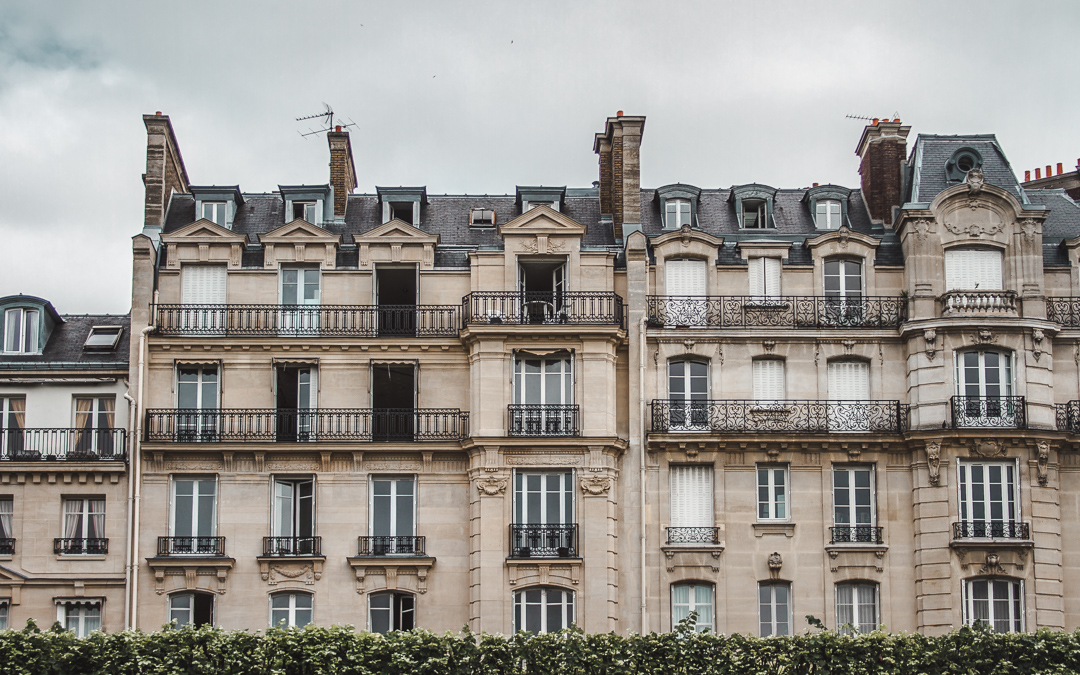
In the mid 19th century, Paris was suffocating in the cramped network of its ancient streets. Until then, the city had expanded by developing its outer districts without any careful consideration. It fell to Georges-Eugène Haussmann, who was appointed Prefect of the Seine by Emperor Napoléon III to implement an overall plan to rejuvenate the French capital. In 1860, areas on the periphery were annexed, making Paris a city of 20 districts instead of 12. Swiftly put into action, this vast urban redevelopment plan entailed the demolition of many buildings, and changed the face of the city we see today.

paris france Georges-Eugène Haussmann

[separator type="thin"]

Georges-Eugène Haussmann Paris Renovation

[separator type="thin"]

paris france Georges-Eugène Haussmann

The new, broad avenues crossing the city were lined with buildings that had to comply with certain regulations regarding their construction (use of stone, discreet decoration, alignment) ensuring the visual unity of the city. Intended as a response to the needs of a changing society, the new public buildings created monumental vistas, giving the illusion of stage set, complete with landscaping and green spaces. Admired for its harmonious aspect and the speed with which it was completed, Haussmann’s Paris subsequently became an international model of urban planning. (SOURCE)

In the 19th century, the development of archeological research and research expeditions brought a new body of historical knowledge to the attention of architects. France's rediscovery of national history and its monuments was supported by Louis-Phillipe's regime, keen to unite the nation around a shared past. To this end, he created a general inspectorate of Historic Monuments in 1830 to oversee the restoration of the great medieval buildings of France. These buildings became a new source of inspiration legitimised by French history, while the study of the ogee arch led Viollet-le-Duc and his students to adopt a new approach in their use of materials, especially metal and reinforced concrete.

paris street art graffitiArchitects also sought to move beyond pastiche by drawing on a number of references, displaying an eclecticism at once stylistic and theoretical. Far from being a constraint, historical models opened the way to modernity for 19th century architects: influenced by contemporary schools of thought, their projects took inspiration from a history that was no longer seen as an ideal but as a modern view of the development of mankind.

The ancient significance of architecture can't be understated as from the beginning of time human cultures wrote their thoughts using rocks. Words were made by superimposing stone upon stone. The Celtic dolman and cromlech, the Etruscan tumulus, the Hebrew galgal are words which eventually made sentences and books. These eventually expanded into symbols and finally structures we see around us today.

paris france Georges-Eugène Haussmann

Architecture developed side by side with human thought. This is reflected by great styles that define each era as well as the political and social revolutions that shaped the course of history. Locked into the walls of these temples, palaces or churches were ideals that launched a civilisation into the future confident that only serious natural disasters or social upheavals could stop them from existing.

The invention of the printing press changed everything. Books (and by that extension magazines and blogs of today) are a much more durable way of storing information. They cost much less to produce, could be copied and sent around the world (think of this as ancient texting). It's no surprise then that the rise of the printing press mirrors the decline of architecture as the dominant aesthetic form. (SOURCE: NERDWRITER)

paris france architecture

[separator type="thin"]

Art of Solitude

[separator type="thin"]

paris park

[columns_row width="half"]
[column]

paris park france[/column]
[column]

Like the Romantic painters, 19th century architects in France saw nature as a refuge from the effects of the Industrial Revolution. While the development of green spaces in the towns and the growth of holiday resorts offered alternatives to urban expansion and its, at times, anarchic developments, the natural world became a new source of inspiration that allowed architects to break free from references to historic styles. From the mid 19th century, the study of plants encouraged the revival of ornamentation; at the end of the century, trees, flowers, insects and animals would provide a source of inspiration for the artists of the 'New Art' or Art Nouveau. The development of natural sciences and geology, and research into the evolution of species, also led to changes in architectural thinking, as much in its historical and theoretical aspects as in technical and construction terms.

[separator type="thin"]

Further Reading

[separator type="thin"]

History of Paris

Haussmann's renovation of Paris

Romanticism

The Next Era of Architecture

Victor Hugo

Paris architecture of the Belle Époque

Concours de façades de la ville de Paris

[/column]
[/columns_row]

paris park france[separator type="thin"]

STYLEGRAM

[separator type="thin"]

Thanks for reading my latest article. If you enjoyed it why not give it a share using the links below? For more check out our latest lookbook with Bench, street style from London Collections or our trip to Rome.

paris france travel blogAs always stay classy and if you wish to be featured in one of our roundups please contact editorial@thestyledivision.com or tag your social posts with #styledivision

INSTAGRAM | TWITTER | FACEBOOK | PINTEREST

11th September 2016No Comments

What The Hell Is Blockchain? // Journal 67

It's easy to get entrenched in old ideals and stick to the tried and tested but history has shown us time and time again that progress is inevitable. This couldn't be truer with regard to the tech sector as we're seeing huge leaps of innovation in areas ranging from transportation (semi-autonomous self driving cars) to speech generation (recent DeepMind breakthrough). As technology moves forward it's hard to predict what the future will hold five years from now, let alone ten but already we're seeing emerging trends that are sure to shake up the established order of things.

[separator type="thin"]

What is Fintech?

[separator type="thin"]
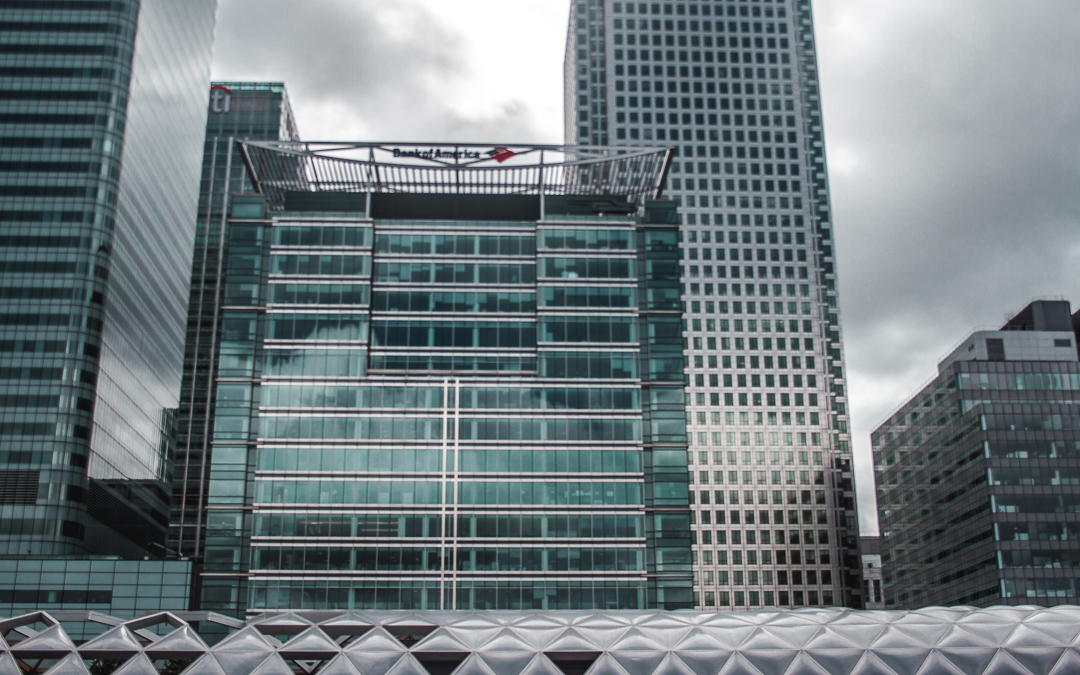
modern glass architecture canary wharf london

Fintech is the fusion of finance and technology and the driving force behind developments in areas such as the Blockchain, AI chatbots and personal banking. The majority of transactions we make everyday are minuscule so emergence of a secure and frictionless system unrestricted by borders or political regulations isn't hard to imagine. Most of the money in the world is digital so we can think of everything from stocks to assets as bits of information. This information 'lives' on the internet and can be easily traded or exchanged in the same way you trade money for a pint of beer at the pub.

The amount of information on the internet is going to grow exponentially over the coming years and access, appropriation or sale of this information is going to become crucial. If you're a content creator like myself it's important to get fair compensation for your work and its future use. By assigning a value to each bit of information we can shift into a completely new economy. This virtual goods and assets economy will be backed up by an encrypted database that's distributed around the world making it more secure than the systems in use today.
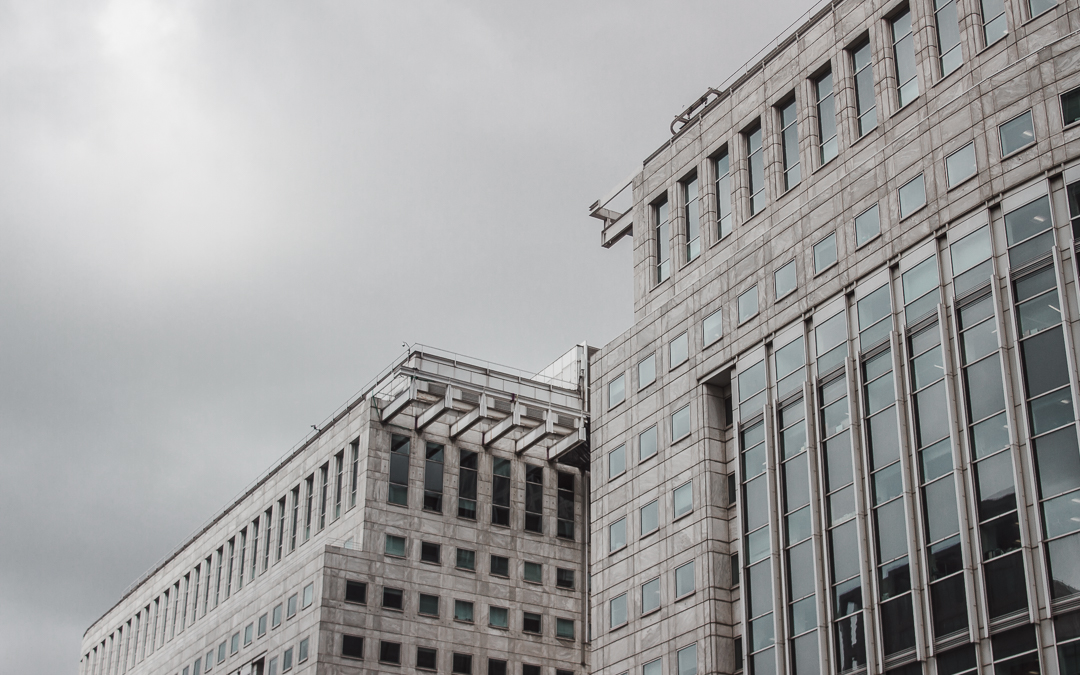
modern glass architecture canary wharf london

Cutting out the banking middleman will also put us on a path towards greater transparency. Open source cryptocurrencies such as Bitcoin and Ethereum are growing steady as the number of contributing developers increases. Companies such as Coinbase and Circle are interacting with the community in order to grow and improve their services. Banks on the other hand are being fined billions of dollars for laundering money for drug cartels. Go figure.

Banking is an entirely virtual business which makes it easy to avoid regulation and accountability. The reaction to the 2008 financial crisis has been more short term borrowing to fund long term goals and doing the same things while expecting a different outcome is the very definition of insanity. So what's the solution?

Say hello to the Blockchain. Blockchain is a way to rapidly exchange digital assets — such as payments, photos, contracts — between two or more parties in a secure, verifiable and auditable process that doesn’t require a middleman. Each party in the network has its own copy of the blockchain attached to every asset. As long as the chains are in sync, all parties can be confident that the asset or transaction is valid. (Source).
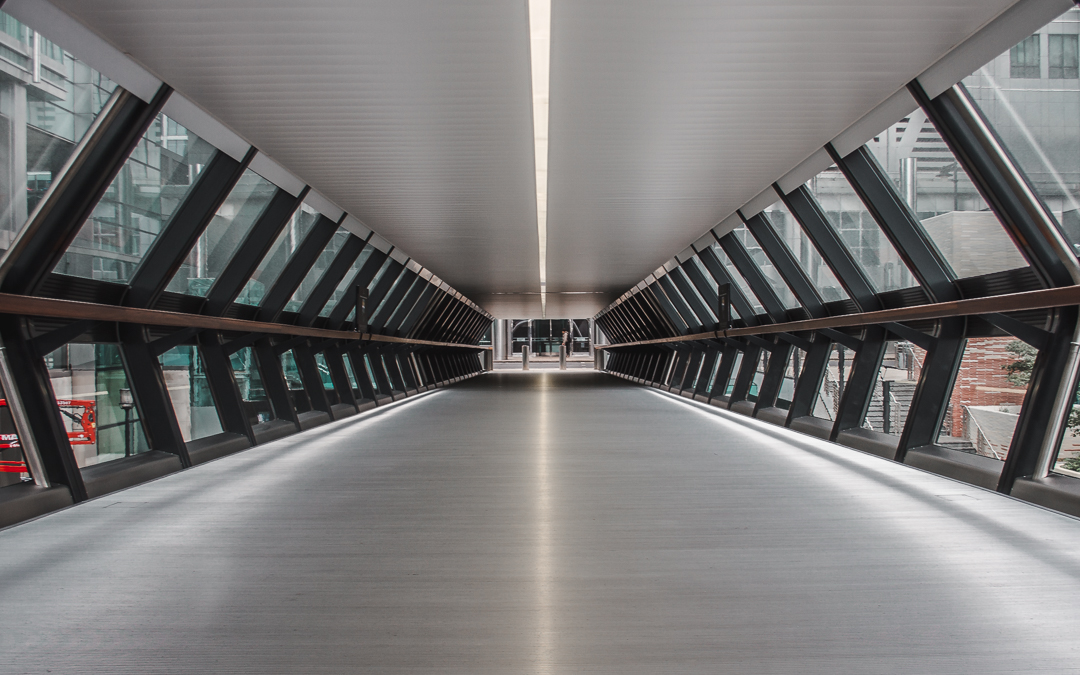
modern glass architecture canary wharf london

Each transaction behaves like a physical object and yet it's still digital. That's what so cool about it. Because transactional information itself doesn't take up a lot of data it's irrelevant whether you want to send 100,000 of something or .0000001 of it. The transaction can then be completed at the click of a button regardless of location.

This is how Bitcoin works and the public ledger for Bitcoin transactions lives on the Blockchain. As someone who knows the slow process of sending money abroad while paying exuberant fees this is a game changer. You can also 'tip' people or friends on Twitter, GitHub, Reddit and more using a service such as ChangeTip. Someone took a picture you like or made a comment that made you laugh? Send them your appreciation.

[separator type="thin"]

Displacing The Incumbent

[separator type="thin"]

This is not the first time such a huge monetary shift was on the horizon. Back in the day bartering was the only option to trade, which was replaced by precious metals (gold, silver), then coins printed on precious metals and finally a piece of paper that says you own a certain amount of precious metals. As mentioned above only 5% of money in the world is physical cash so a system that works globally for the other 95% is essential.

Everyday transactions are just a small piece of the cake though. Imagine you create YouTube videos for a living and YouTube pays you money by adding advertising to your content. A concept that circumvents this allows the user to pay proportionally for each 10 seconds of video they watch. The idea here is that the market decides how much something is worth.
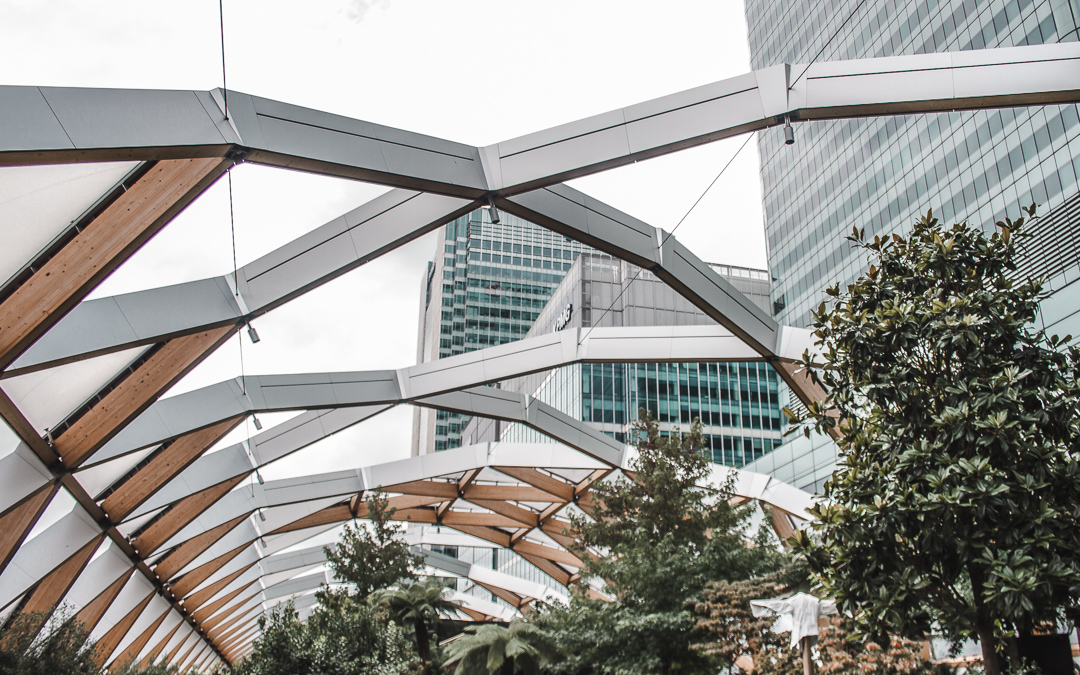
garden canary wharfIf you have a Bitcoin or Ethereum wallet installed in a browser then newspapers and magazines have less of a need for paywalls. The writer will get rewarded proportionally to how good the article is. If someone reads the first paragraph and leaves they get charged £0.0005. £0.0015 if they read the whole thing.

But why would I pay for something that I already get for free? The point is not many things on the internet are 'free'. If you're using a service such as Facebook you're the product being sold. Your private messages, location data and even browsing habits are sold to advertisers for huge sums of money. By taking ownership of your own data you also take back some power. There's also nothing stopping advertisers PAYING YOU for select information you're willing to share. Google Opinion Rewards is a great example of this as it rewards you with credit that can be spent at the Play Store.

[separator type="thin"]
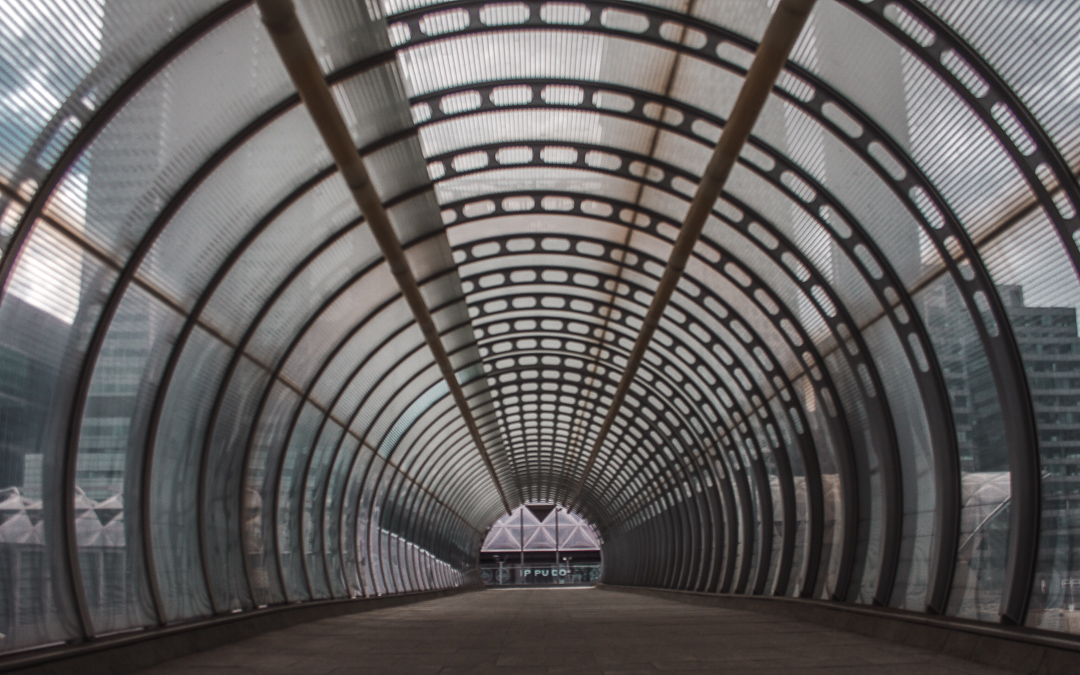
symmetry art of visuals

Wandering through this reflective jungle got me thinking about technology and how we've gone from a device that sent text messages around the world to something that has access to the wealth of human knowledge. The internet is an unlimited resource that can be used to better ourselves, build communities and exchange information. The only limit here our imagination.
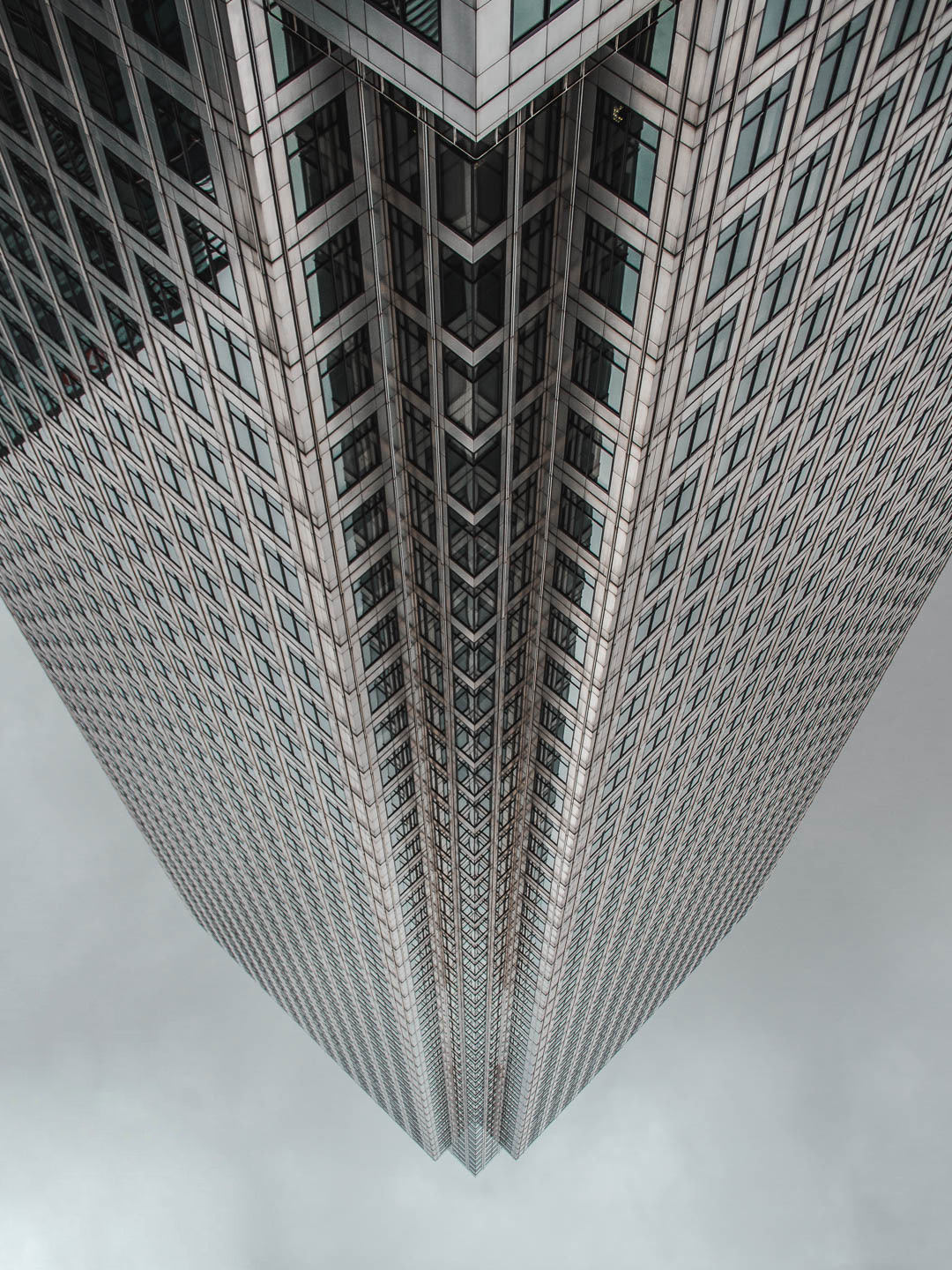
modern glass architecture canary wharf london

With regard to fintech, the blockchain and beyond we're still in the very early stages. There's a huge gap between political and technical feasibility but as tech gets better and cheaper and our access and understanding of new information improves we're sure to enter new grounds. Regulation should become less and less complex, not more. So when a new technology such as this comes along will you sit up and take notice or call it a fad the way this scientist did in 1995.

[separator type="thin"]

Blockchain: Further Reading

[separator type="thin"]

[columns_row width="third"]
[column]

Bitcoin Whitepaper

Ethereum Project
[/column]
[column]

Understanding the Blockchain

OpenBazaar
[/column]
[column]

Blockchain (Wiki)

Blockchain (Guardian)
[/column]
[/columns_row]

[separator type="thin"]

STYLEGRAM

[separator type="thin"]

Thanks for reading our latest article. If you enjoyed what you read why not give it a share using the links below? For more posts check out our latest lookbook with Bench, street style from London Collections or our trip to Rome.

As always stay classy and if you wish to be featured in one of our roundups please contact editorial@thestyledivision.com or tag your social posts with #styledivision

INSTAGRAM | TWITTER | FACEBOOK | PINTEREST
8th August 2016No Comments

Barbican Brutalism // Journal 68

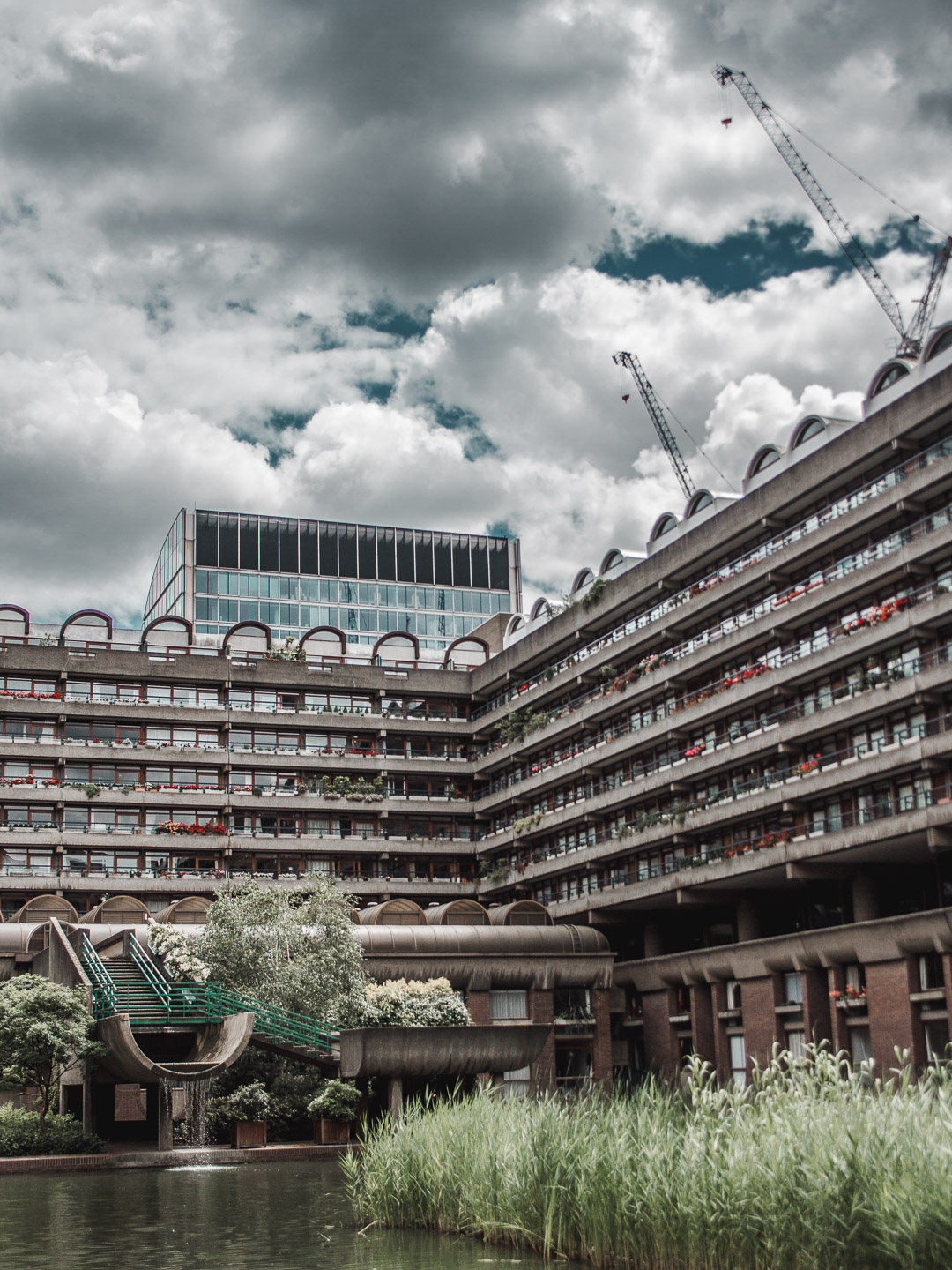
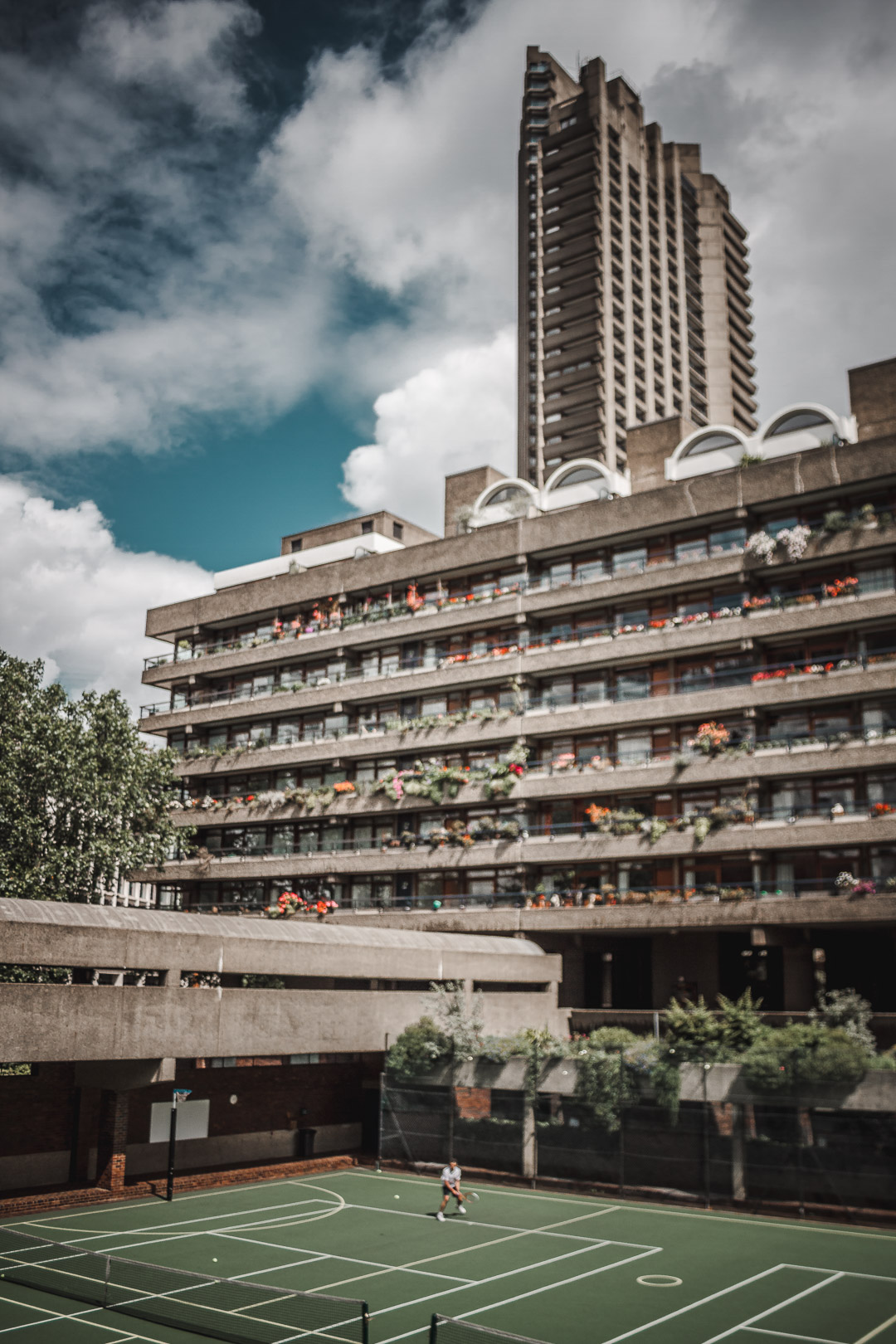
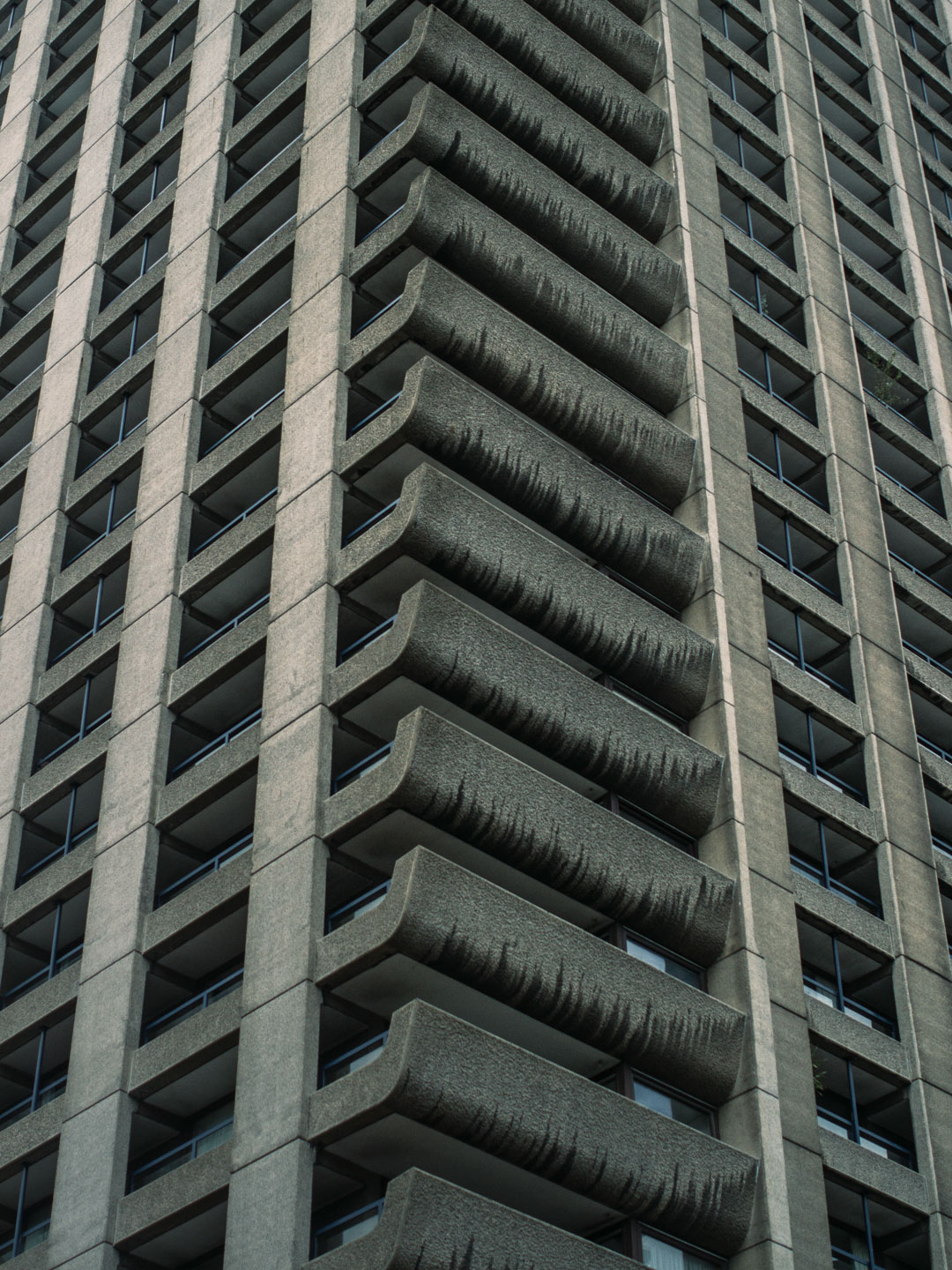
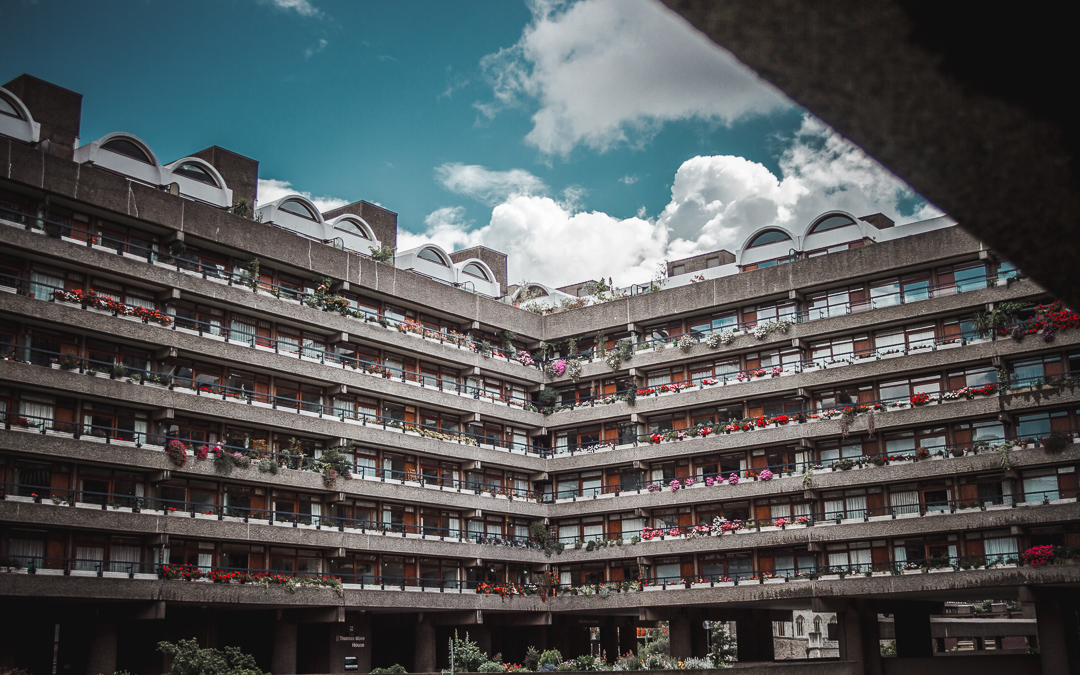
Brutalist architecture is a movement in architecture that flourished in popularity from the 1950s to the mid-1970s. The term originates from the French word for "raw" as béton brut (raw concrete) is primarily used in the construction. One of the finest examples of brutalist architecture can be found by visiting the Barbican Estate in central London. Designed in the 1950s by three young architects Chamberlin, Powell and Bon, the complex houses over 4,000 residents and is Grade II listed as a whole.

[separator type="thin"]

Barbican Estate, London

[separator type="thin"]

barbican london brutalist architecture lookbook-2

Brutalist buildings don't lend themselves at all well to the grey British weather which dampens their appearance. Le Corbusier who is considered the Godfather of Brutalism constructed a lot of his buildings in the south of France for this exact reason. In the UK however brutalism started to become synonymous with urban decay because maintenance of housing estates was way down everyones list of priorities.

barbican tennis courts

It's not all doom and gloom though as for me the Barbican is one of the more interesting places London has to offer. As you're enveloped by the brutal architecture, the complex takes on a life of its own. You can climb up high for a spot of people watching, get lost in the network of walkways within the estate or visit the Barbican Art Gallery which usually has some interesting exhibitions on show.

During my visit Ragnar Kjartansson's 'Second Movement' was displayed at the Barbican Lakeside. The work featured two women in quintessential Edwardian costume rowing a boat and embracing in a never-ending kiss. It was quite a surreal sight considering the location but an interview with one of the women summarised the piece with this amazing quote:

"Sexual orientation, politics, social status, race, none of that mattered. We just kissed."

[separator type="thin"]

Get The Look

[separator type="thin"]

anton dee style division menswear blogger

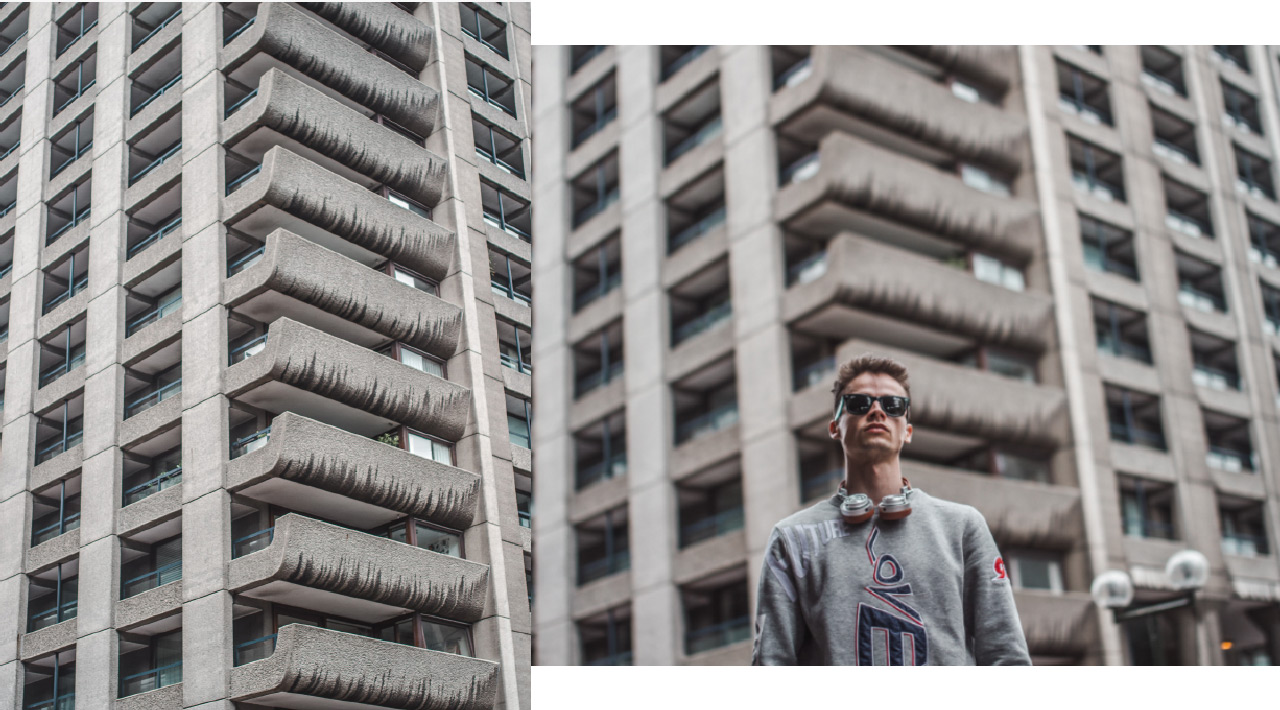
It wouldn't be a Style Division post without a lookbook so for my latest outing I played it simple with some Converse hi tops, sweatshirt from River Island, headphones from Master & Dynamic and a backpack from côte&ciel.

division mag

[separator type="thin"]

Get The Look

[separator type="thin"]

[separator type="thin"]
Brutalist Architecture

[separator type="thin"]

barbican london brutalist architecture lookbook-4

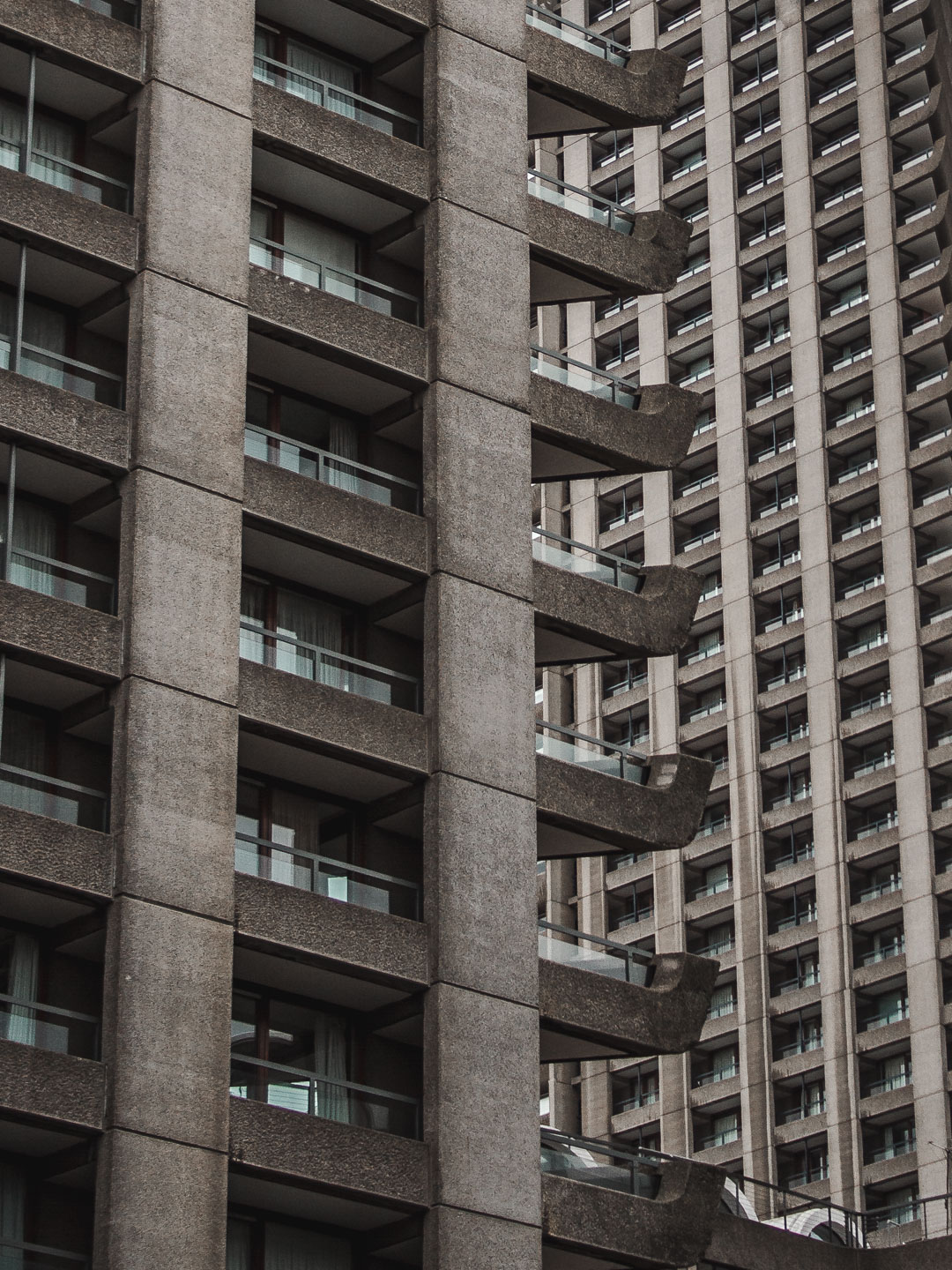
I honestly have no idea why out of all the different architectural styles Brutalism is becoming one of my favourites. Maybe I just like the word 'brutal' or maybe I like simplicity. Brutalism is a style with an emphasis on textures and unusual shapes but structural simplicity remains a key ingredient.

brutalism brutalist architecture

Scale is also extremely important as the style is characterised by massive concrete shapes colliding abruptly. Although the prominent Lauderdale Tower is a frequent winner of London’s ugliest building award, a case can be made that the new apartment blocks built around the city lack the soul and stature of their predecessors.

[separator type="thin"]

STYLEGRAM

[separator type="thin"]

Thanks for reading my latest article. If you enjoyed what you read why not give it a share using the links below? For more fashion posts check out our latest lookbook with Bench, street style from London Collections or our trip to Rome.

barbican london brutalist architecture lookbook-2As always stay classy and if you wish to be featured in one of our roundups please contact editorial@thestyledivision.com or tag your social posts with #styledivision

INSTAGRAM | TWITTER | FACEBOOK | PINTEREST

2nd July 2016No Comments

Barcelona, Spain // Photography Journal 53

Lets be honest, the sheer act of traveling is a little bit of a hassle. I can never sit by the pool and just put my feet up for a few days but the unpredictable flight schedules, hotels and taxi troubles makes me understand the people who do. I was over in Rome and Bologna a couple of months ago and had to wait a day in Barcelona because of a cancelled flight. My Fuji was already smashed (as you will see by the dark marks in several of the pictures) so I thought Barcelona could serve as a perfect backdrop for its farewell.

[separator type="thin"]

Architecture in Barcelona

[separator type="thin"]

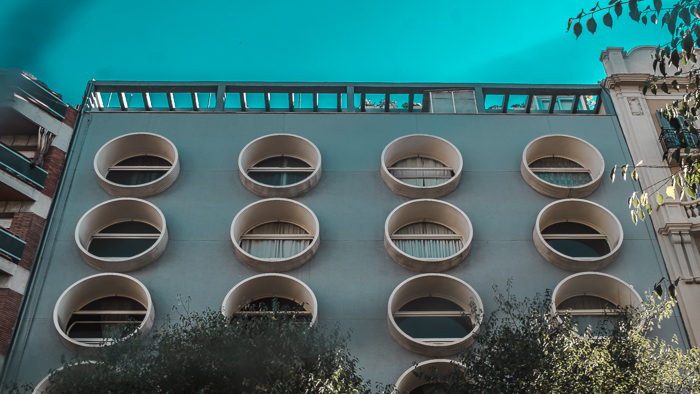
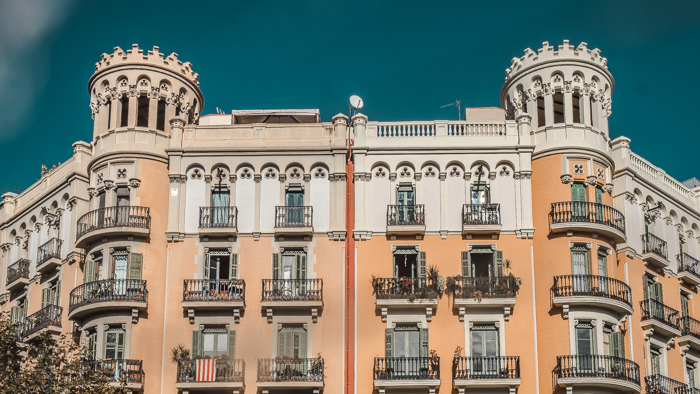
mr dee explores barcelona spain photography-19

Many great painters and artists lived in Barcelona at some point in their lives and their influence is still evident throughout the city. Picasso and Miró have museums dedicated to their works while the Sagrada Família which was designed by Spanish architect Antoni Gaudí continues to generate a sense of awe.

mr dee explores barcelona spain photography-17

mr dee explores barcelona spain photography-32

The Sagrada Familia has three grand façades: the Nativity façade to the East, the Passion façade to the West, and the Glory façade to the South which is yet to be completed. Taking a small break by the pond and listening to a cello playing musician allowed me to really think about where I wish to take this platform. Over the course of the next 6 months all will be revealed but I still find myself thinking back to that moment and whether the gothic architecture had a part to play in my inspiration.

mr dee explores barcelona spain photography-27

[separator type="thin"]

AIRBNB to the rescue

[separator type="thin"]

mr dee explores barcelona spain photography-15

Once you've stayed in one nice hotel you've pretty much tried them all. The location might differ yet I always yearn for more. Airbnb allows me to really experience the city I'm staying in by linking up with a local and spending a few nights in their home.

While in Barcelona I stayed on a houseboat with a man called Mark who didn't take life too seriously and invited me along to a small party with his pals. Riding around Barcelona, sea breeze hitting my face, I thought you really cannot put a price on experiences. There is a monetary cost involved, of course, but the value you gain from the experience cannot be underestimated.

people on bikes in barcelona

[separator type="thin"]

Camp Nou, Barcelona

[separator type="thin"]

camp nou barcelona

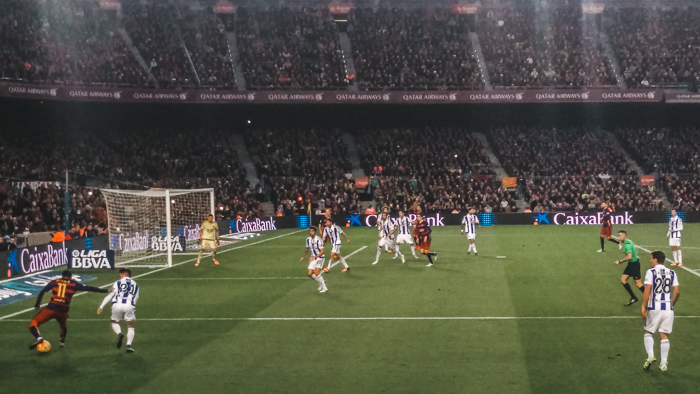
Its always been a dream of mine to see Lionel Messi in action. Although I support Chelsea FC it's difficult not to admire the little magician and what he's doing at FC Barcelona. The energy of the ground was pulsating as over 70,000 took the time out of their busy schedules to come together and create a one of a kind atmosphere.

They say football grounds are the modern day cathedrals and I'm inclined to agree. You come together to support a cause, sing songs and generally get delirious if your team scores a goal. By the 90 minute mark Suarez and Neymar both put one in the back of the next but Messi was nowhere to be seen. As I was contemplating leaving to beat the traffic Barcelona got a free kick in the 93rd minute. You can guess what happened next 🙂

[separator type="thin"]

STYLEGRAM

[separator type="thin"]

If you enjoyed this post make sure to share it with your friends using the links below. If you wish to see my latest lookbook check out my Topman - Great Britain, Great Suits campaign or for more travel journals check out my trip to Bologna.

barcelona airport shadowsAs always stay classy and if you wish to be featured in one of our roundups please contact editorial@thestyledivision.com or tag your social posts with #styledivision

INSTAGRAM | TWITTER | FACEBOOK | PINTEREST

22nd May 2016No Comments

City of London // Photography Journal 48

I would consider myself somewhat of a shutterbug. During my endless mindless wanders I take pictures of things without really thinking about where I'm going to use them in the future. The City of London has been my latest 'victim' in this regard as its imposing architecture and rich history ensured the lens caps stayed firmly in my pocket.

bank aldgate london architecture blog vsco-9

[separator type="thin"]

bank aldgate london architecture blog vsco-9

bank aldgate london architecture blog vsco-9

The City of London is widely referred to simply as the City. Often written as just City and is also colloquially known as the Square Mile, as it is 1.12 sq mi in area. Packed into this small area are a number of historic institutions such as the London Stock Exchange, Lloyd's of London and the Bank of England.

[separator type="thin"]

city of london bank of england london

You'll be surprised to find a number of parks and open spaces such as the Finsbury Circus or Jubilee Garden tucked in between the grandiose structures. There is also a lovely intersection of old and new with the Lloyd's building becoming a personal favourite of mine.

The Lloyds building is a perfect example of Bowellism architecture in which the services for the building, such as ducts and lifts, are located on the exterior to maximise space in the interior. The whole structure feels like a living organism and it almost feels like a waste that it's main purpose is housing an archaic financial institution.

city of london bank of england london

[separator type="thin"]

Street Style

[separator type="thin"]

Never one to turn down a few street style shots here are a few I grabbed on my mini adventure. I'm off to Paris and Amsterdam in the next few weeks so this long forgotten passion of mine will be undergoing a much needed revival.

[separator type="thin"]

STYLEGRAM

[separator type="thin"]

reflections window bank

If you enjoyed this post make sure to share it with your friends using the links below and check out my latest photography post where I explore the iconic Canary Wharf.

As always stay classy and if you wish to be featured in one of my next roundups please contact anton@thestyledivision.com or tag your post with #styledivision

INSTAGRAM | TWITTER | FACEBOOK | PINTEREST

1st May 2016No Comments

Photography Journal 45

I'm always a fan of an impromptu photowalk so when Richard Harris invited me to hang with his friends Jess, Jonathon, Ed, Zsuzsa and Koray I jumped at the opportunity. It was literally my first day out with the new Canon 7D so I was still getting adjusted to the multitude of functions it offered. To make the process easier I tend to photograph still objects such as buildings until I find the perfect angle and then play around with shutter speeds to get the perfect snap first time.

oxford street london buildings

[separator type="thin"]

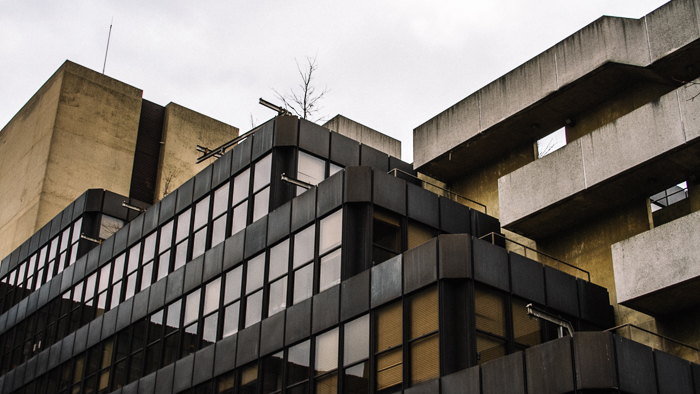
We strolled around the backstreets of Oxford Street and then onto the bohemian paradise of Fitzrovia. I'm still completely enchanted with the way neighbourhoods and areas of the city flow into each other, as one architectural style slowly takes over and dominates the view. At first we found ourselves surrounded by Victorian architecture (referring to the reign of Queen Victoria) and as we moved closer to Russell Square classic Brutalist structures such as the Institute of Education took over.

[separator type="thin"]

london architecture

Institute of Education architecture brutalist

[separator type="thin"]

[separator type="thin"]
anton dee division editor

Zsuzsa was kind enough to snap this pic of me outside the police station in Fitzrovia with a funky little wall mosaic. Still loving my Bailey Nelson specs which is surprising as I have never found a pair I stuck with for more than a few months. Sometimes you just gotta find a style that suits you rather than just following the latest trends 🙂

[separator type="thin"]

STYLEGRAM

[separator type="thin"]

If you enjoyed this post make sure to share it with your friends using the links below and check out Photography Journal 10 back from September where I explore a treasure trove of Brutalist architecture - The Barbican

As always stay classy and if you wish to be featured in one of our roundups please contact editorial@thestyledivision.com or tag your social posts with #styledivision
INSTAGRAM | TWITTER | FACEBOOK | PINTEREST

ANTON DEE
+506 8361 3617
antondee@pm.me

 CLIENTS