14th October 2016No Comments

Magical Malta

When asked to sum up the Buddha’s teachings up in one phrase a zen teacher Suzuki Roshi simply said, “Everything changes.”. We must remember this in our daily lives and understand that clinging on to things only creates suffering. Whether it's a job, relationship or possessions it's illogical to make things work just because you cannot bear to face the alternative. The alternative is always unknown and thus can produce a great deal of anxiety. Relinquishing all control of one self and going with the flow will always yield unexpected results.

[separator type="thin"]

Magical Malta

[separator type="thin"]

malta travel visit valletta photography orange teal-2

Alan Watts used to compare life to music. The point of music is music, he would say. People enjoy listening to music for the rhythm, the stream of melody. No one is listening to music to hear it end. If they were then, as Watts pointed out, their favourite songs would be the ones that ended abruptly with one single uproar of noise. Life is the same way.

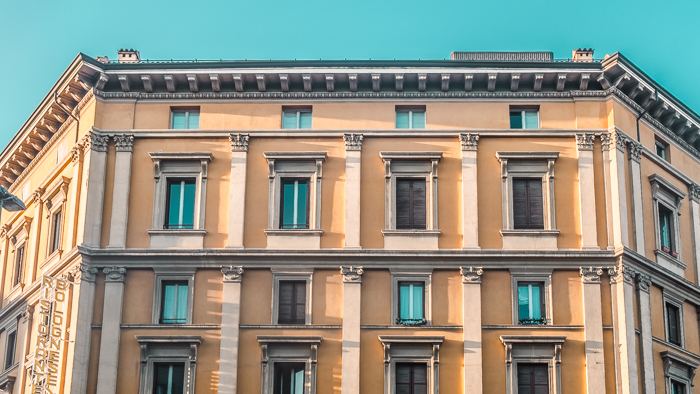
With that mindset I have recently decided to leave my position with the wonderful guys over at Unsigned and travel the world in search of adventure. My latest stop was Malta which is a country shrouded in beauty and a rich, violent history. In the middle of the Mediterranean Sea, where the sea narrows between African and European continents, the islands of Malta and Gozo offer the best of both worlds. The laid back Italian culture permeates every nook and cranny of its cities such as Valletta and Birgu while the hot African climate means clear skies and very little chance of rain.

malta valletta dvsn[separator type="thin"]

[separator type="thin"]

Malta possesses natural deep and well-protected harbours. These were one of the island's most important assets, and that is the main reason why the different Mediterranean powers, whether for trade or for control, always desired to occupy the archipelago. When the knights of St John arrived in Malta in 1530, the peninsula on which Valletta and Floriana were to be built was practically uninhabited. There was a small church and probably a tower at its tip, to watch over the entrance to the harbours and perhaps a few farmhouses. The area was immediately recognised by the knights as an excellent strategic site for a fortified city.

malta travel visit valletta photography orange teal-2

The very first structure to be built was For St Elmo. The piratical attack of 1551 made it clear to the knights that they were in grave danger. There were no adequate defences and they decided to build fortifications in case that raid was just a spying mission. A year later a small star-shaped fort was erected to the designs of Pietro Pardo. It was built in such a hurry that it was said that attacked would take it in a few days. Because of this detail, various grand masters continued to add walls and better fortifications , without actually making it better. Other suggestions and even plans were prepared to build a fortified city but, since it was felt that an attack was imminent and there was not enough money to start such a large project, they were postponed. In 1565, when a large Ottoman armada landed in Malta, only Fort St Elmo was in place.

The Great Siege was fought around the Grand Harbour area. Before the loss of Fort St Elmo, the Ottomans used the high ground of the promontory to attack both the fort and the other side of the harbour fortifications. The successful end of the siege in September of the same year, led to the knights to insist with the European powers that both material and financial help was needed quickly, or else they would abandon the islands. Help thus was sent, which included Francesco Laparelli, the pope's military architect.

malta travel visit valletta photography orange teal-2

Laparelli immediately went about working out a feasible plan and on 28 March 1566, the first stone of the new city was laid. The line of fortifications was quickly erected and soon the first buildings rose behind them. The definite transfer of the headquarters of the Order from Vittoriosa to Valletta in 1571 led to a series of building programmes, which was to become an ongoing exercise. The first buildings were erected in the style of the time, namely late Renaissance and Mannerism. In the seventeenth century Baroque was introduced and this led to more buildings, and sometimes the pulling down of others in order to rebuild them in the new style. Various architects were brought over to continue with this trend and painters were also invited to decorate the interior of the churches and palaces.

[separator type="thin"]

[separator type="thin"]

The Architecture of Malta

[separator type="thin"]

The Maltese islands are an architectural paradise. The various powers that occupied the islands throughout the last 7,000 years have all left their mark, one way or another. The most impressive architectural remains must surely be the prehistoric temples, which have been called 'the oldest free-standing buildings in the world'. One can appreciate the techniques used by these prehistoric builders, even though they lacked the proper tools to erect such impressive structures. Chronologically, the next architectural gems are from the Roman period, with the most important being the Domus at Rabat and the Roma Baths, limits of Mgarr.

malta valletta dvsn

Medieval architecture can be mostly seen at Mdina or in the various older village cores that still abound. The small houses have been lost, but the impressive palaces built by the well-to-do and the noble families have survived. The two-mullioned windows and the pointed arches are typical of this period. Something similar can be seen at Birgu, especially inside the Inquisitor's Palace. Some churches dating from this period ave survived as well, although they are not amongst the most impressive.

malta valletta dvsn

The Baroque period must surely be referred to as the Golden Age of Malta. The building of Valletta in the sixteenth century led to the military and religious Order of St John to set up its headquarters there. After settling down, the knights started to add to their buildings, or even pull them down and rebuild them. Foreign architects who were invited to Malta, together with local talent, erected buildings like the auberge of Castile in Valletta (Andrea Belli), the cathedral in Mdina (Lorenzo Gafa), and various other palaces all over the islands.

malta travel visit valletta photography orange teal-2

While all of this public building was being carried out, whole systems of fortifications were being planned and built all over the islands. The urban conglomerations around Valletta as well as the coast ended up being provided with all kinds of defence systems that are mostly still standing.

malta travel visit valletta photography orange teal-2

The British introduced styles of architecture more to their liking, such as the Neo-Classical style and the Neo-Gothic. One can notice some of these buildings in Malta. The latter style was usually much more associated with church buildings, and the magnificient cemetery at Marsa.

malta travel visit valletta photography orange teal-2

[separator type="thin"]

[separator type="thin"]

Although I travelled to Malta to get away from the hectic nature of London I found myself walking over 20 kilometres every day just to experience this wonderful island. Its diverse history and culture is reflected in the architecture and after spending a week here it felt like I only begun to scratch the surface.

malta travel visit valletta photography orange teal-2

Thanks for reading my latest article. If you enjoyed it please give it a share using the links below. For more check out my latest lookbook from Paris, street style from London Collections or my trip to the magical city of Coimbra.

As always stay classy and if you have a story you wish to share please contact editorial@thestyledivision.com or tag your social posts with #DVSN
INSTAGRAM | TWITTER | FACEBOOK | PINTEREST

14th October 2016No Comments

The Dark Side of Rome’s Architecture

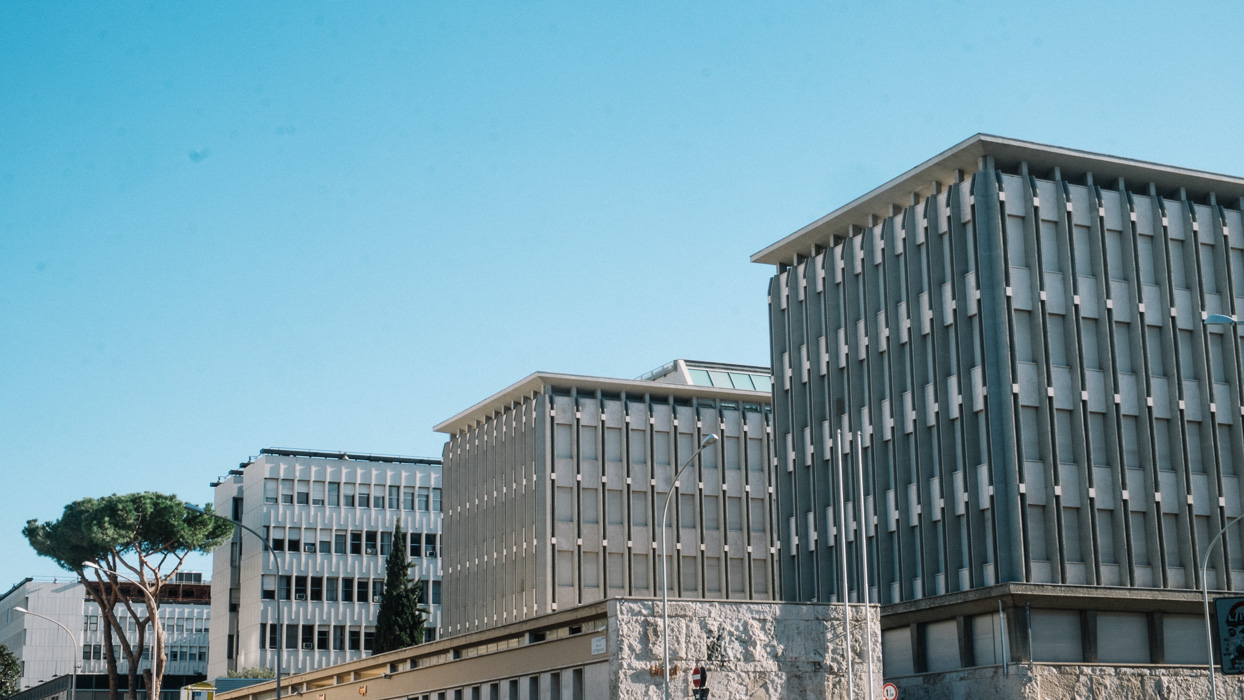
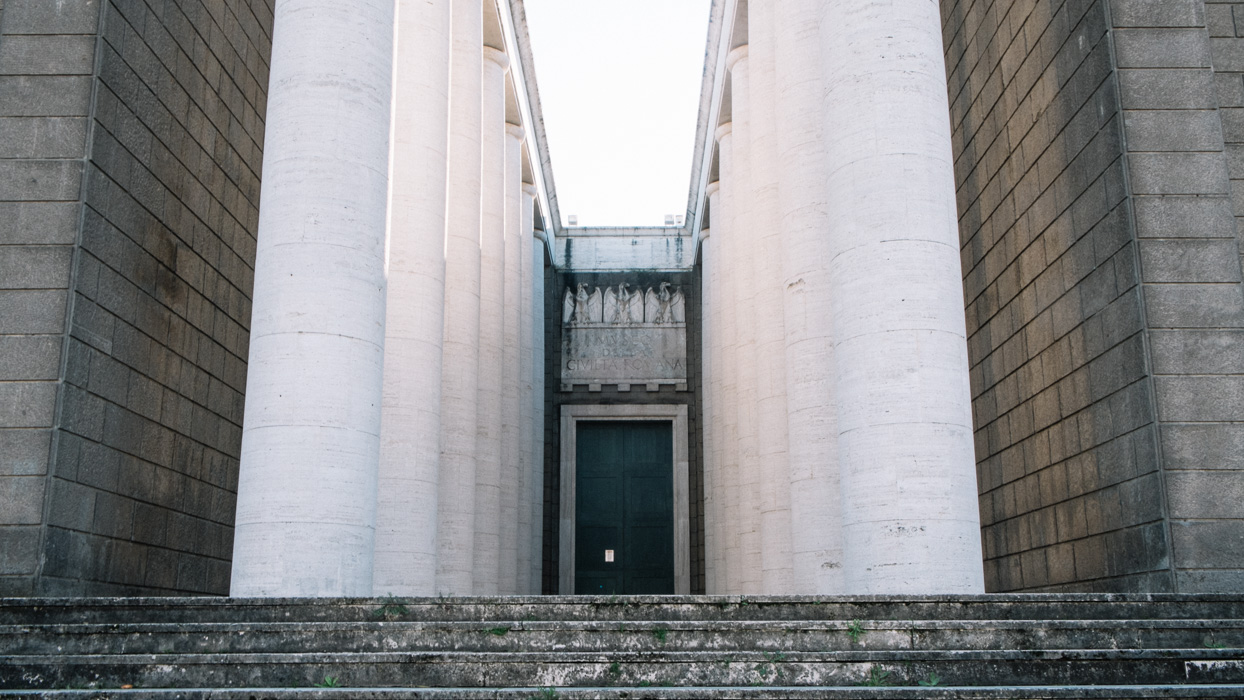
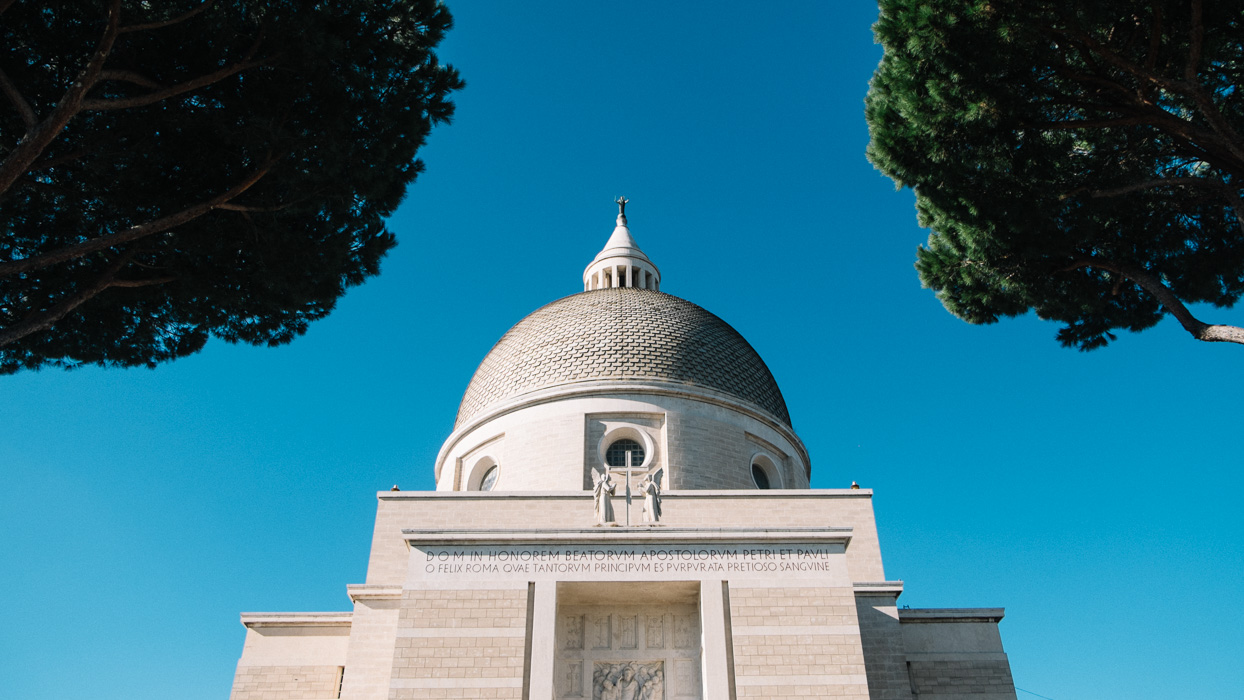
Just strolling through Rome left me with an unforgettable experience. When you're surrounded with that much history and culture a little bit of it does rub off on you. When I woke up in my AirBNB apartment on Day 2 I decided to do something different. Most people will visit the Coliseum and explore the city but with my obsession with architecture reaching new levels I took a short train ride out of the city into an area called EUR. EUR stands for Esposizione Universale Roma, a worlds fair that the dictator Benito Mussolini and his administration planned for 1942, to celebrate 20 years of Fascist rule in Italy.

[separator type="thin"]

[separator type="thin"]

Ss. Pietro e Paolo a Via Ostiense

[separator type="thin"]

Diane Ghirardo (author of Italy: Modern Architectures in History) describes the Fascist Italian culture during the 1940's as one that strived to create "exquisite images of desired realities". The original plan was for EUR to draw heavily on Rome’s extraordinary heritage and purity which explains why so many structures were made out of white marble, a clear symbol of oppression and racism of the fascist regime.

rome italy eur architecture explore fujifilm photography-17

[separator type="thin"]

rome italy eur architecture explore fujifilm photography-17

[separator type="thin"]

Palazzo della Civilita Italiana

[separator type="thin"]

Palazzo della Civilita Italiana

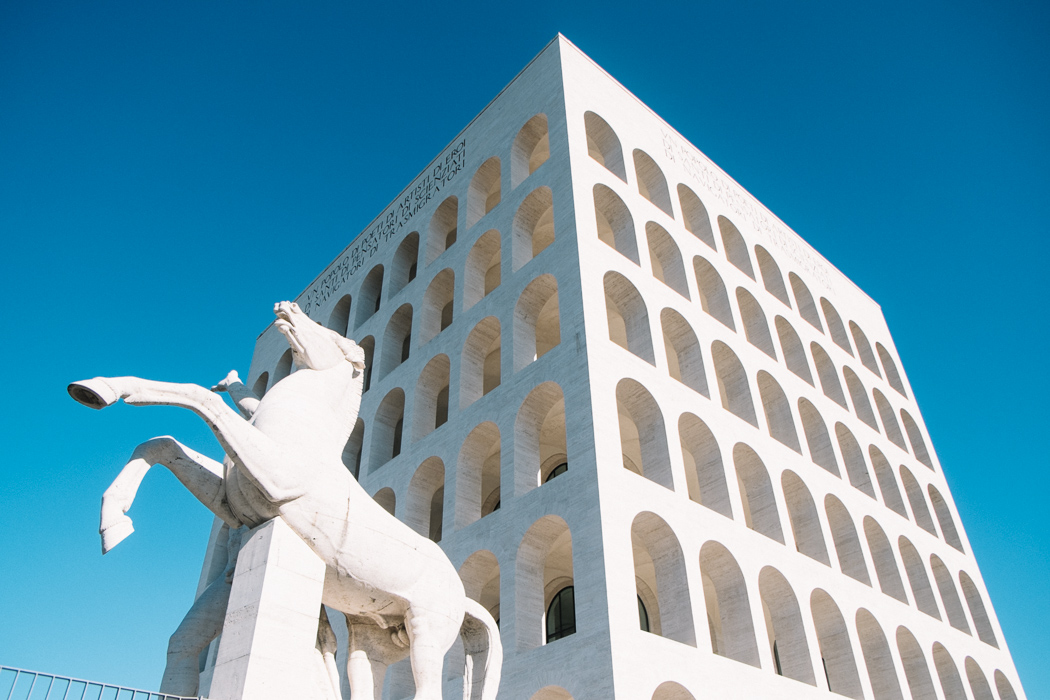
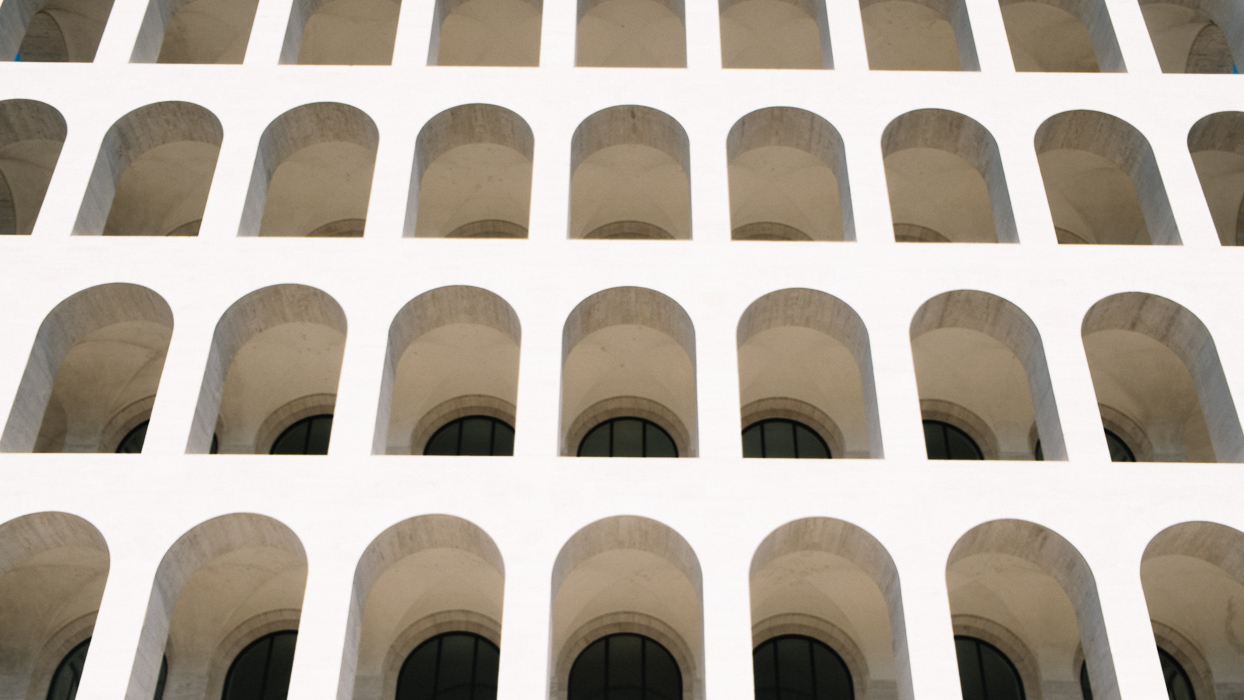
The Palazzo della Civiltà Italiana, also known as the Palazzo della Civiltà del Lavoro or simply the Colosseo Quadrato (Square Colosseum), is an icon of Fascist architecture. This grandiose building was designed in 1937 to host the Mostra della Civiltà Romana during the 1942 World Fair by Italian architects Giovanni Guerrini, Ernesto Bruno La Padula and Mario Romano.

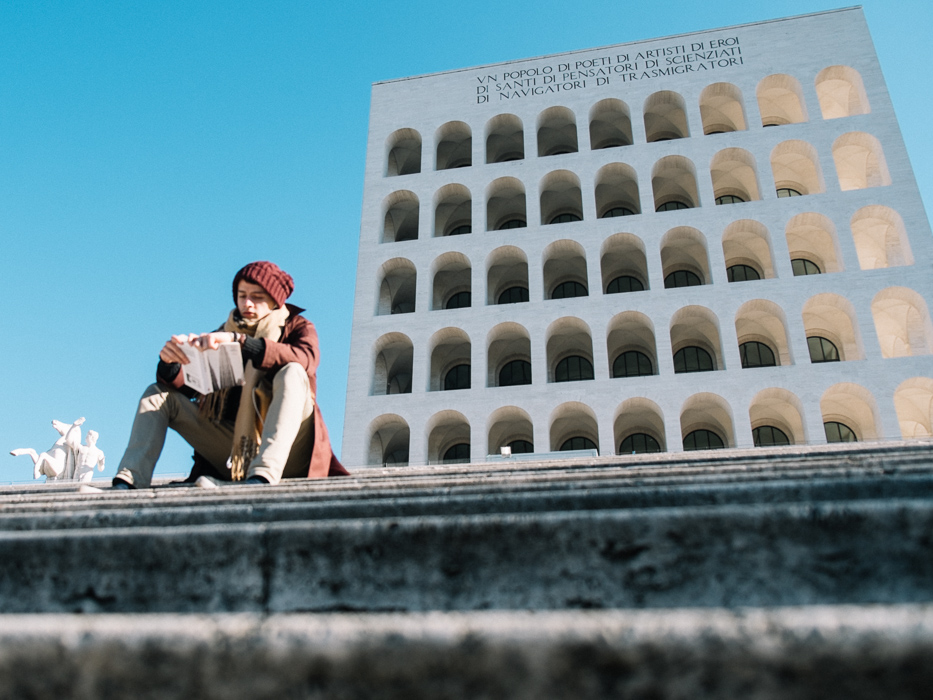
Across all four sides of the building runs the inscription taken from a speech of Benito Mussolini on 2 October 1935:"Un popolo di poeti, di artisti, di eroi, di santi, di pensatori, di scienziati, di navigatori, di trasmigratori" (a nation of poets, of artists, of heroes, of saints, of thinkers, of scientists, of navigators, of migrants). This shows how even a dictator's ideologies can look perfect on paper but actions speak louder than words as history has shown us time and time again.

[columns_row width="half"]
[column]
The Edifice Complex: The architecture of power:

[/column]
[column]

The Edifice Complex: The architecture of power rome

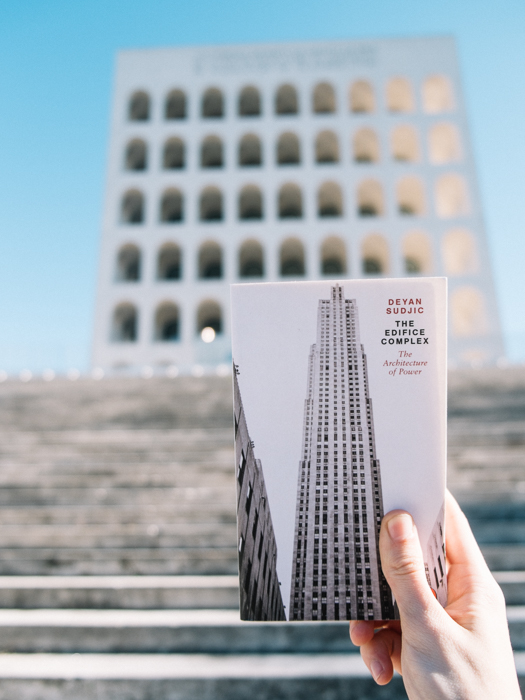
At the time of travel I was reading a book by Deyan Sudjic called "The Edifice Complex" which explores the intimate relationship between power, money and architecture in the twentieth century. It's a fascinating read as the book really nails down the motivations behind each dictators actions.

[/column]
[/columns_row]

Fascist architecture Benito Mussolini eur whiite Palazzo della Civilita Italiana

Palazzo della Civiltà del Lavoro was built as a modern celebration of the Colosseum and inspired by older Roman landmarks although Benito Mussolini did manage to instil a piece of himself within it. The façade of six rows of nine arches each is meant to represent the Fascist dictator name (Benito having six letters and Mussolini nine) and stand the test of time after his death in 1945.

[separator type="thin"]

EUR, Rome Architecture Photography

[separator type="thin"]
rome italy eur architecture explore fujifilm photography-54

Colosseo Quadrato provides us with a rare glimpse into urban Italy and the possibilities that would have unfolded had the regime not fallen during the war. The left over architectural style is often called simplified neoclassicism with large, symmetrical streets and white buildings with austere facades dominating the view. I really enjoyed getting lost in EUR and walking through scenes that wouldn't look out of place in La Dolce Vita so if you ever get the chance to visit Rome, take a risk and venture outside the city. You never know what you might find.

[separator type="thin"]

[separator type="thin"]
[separator type="thin"]
STYLEGRAM

[separator type="thin"]

If you enjoyed this post make sure to share it with your friends using the links below and check out my latest lookbook in which I explore the North / South divide wearing a custom made Farah shirt.

As always stay classy and if you wish to be featured in one of our roundups please contact editorial@thestyledivision.com or tag your social posts with #styledivision

INSTAGRAM | TWITTER | FACEBOOK | PINTEREST

14th October 2016No Comments

Midnight in Paris // Journal 72

When I travel I try to stray off the beaten path. You still get to experience the touristy side of the city but also find the little intricacies that only the locals really know about. During my time in Paris I of course visited the Eiffel Tower and Arc de Triomphe but the walks to those landmarks were much more interesting than the landmarks themselves. I met two French girls who told me about their lives in Paris, a group of tourists who planned their days around sunsets (see below) and some older gentlemen by the Seine who treated me to some wine and stories of their youth. You cannot really put a price on those experiences and you also won't find them in any holiday brochure and yet this is what stuck with me. The landmarks are just the backdrop, the story you have to make for yourself.

midnight-in-paris-france-nuit-2[separator type="thin"]

Midnight In Paris

[separator type="thin"]

[columns_row width="two-thirds-and-third"]
[column]

eiffel tower lit up at night[/column]
[column]

At the end of the 18th century, the technical advances of the Industrial Revolution facilitated the use of metal, which was used to reinforce stone in buildings as well as in civil engineering structures and frameworks. In the first half of the 19th century, metal was also used in the construction of specific buildings, glasshouses in particular, but the combination of stone and metal always seemed more appropriate for ensuring the monumentality of a building.

In the middle of the century, the success of the Crystal Palace in London (1851), and then of the Central Market Hall (Les Halles) in Paris (1854), both with a design based mainly on metal structures, revealed the aesthetic qualities of this material. From then on, the increasingly widespread use of cast iron and iron became a symbol of French industrial and technical success, as demonstrated at the Universal Exhibition of 1889, by the Gallery of Machines and above all the Eiffel Tower. The Eiffel Tower would achieve iconic status, a symbol of the capital but also a symbol of the aspirations of a society making great technological advances.

[separator type="thin"]

Read More

[separator type="thin"]

Eiffel Tower

Eiffel Tower Materials

Industrial Revolution

History of the Eiffel Tower

History of Construction

Gustave Eiffel

[/column]
[/columns_row]

midnight-in-paris-france-nuit-2

I'm a big fan of Woody Allen and on first viewing 'Midnight in Paris' left me a little bit confused. It strayed from his classic 'guy meets girl in New York' formula and yet I find myself returning to it more often than 'Annie Hall' or 'Manhattan'. As classic as those movies are 'Midnight in Paris' touches on a fundamental aspect of nostalgia. In Greek, ‘nostalgia’ literally means ‘the pain from an old wound.’ It’s a twinge in your heart far more powerful than memory alone. (SOURCE) This is why I believe it's important not to forget your past but to learn from it. Past experiences allow you to grow as a person but they do not define you. We also tend to view the past with rose tinted glasses, whether it's partners or experiences, the ones in the past sometimes feel 'better' than what we have now. Ironically that's just a story that we tell ourselves because we have the power of time and context to analyse the situation in full. I bet whatever hardships you're going through at the moment will seem less significant if you look back on them in a years time.

midnight-in-paris-france-nuit-2

The characters in 'Midnight in Paris' long for the past because they cannot accept the present and that's a very dangerous mindset because you have no idea what the future may bring. If you knew what the future held in store for you then this game of life would be anything but interesting. Get Levitra free trial on http://www.trendingdownward.com/generic-levitra-cheap/ and try for ED or pulmonary hypertension treatment. Chess players abandon a game when it's obvious who's going to win even if there are plenty of pieces left on the board because it's no longer interesting to continue playing. In life it's exactly the same, you want to know about the future but you also wish to be surprised.

[separator type="thin"]

Get The Look

[separator type="thin"]

[columns_row width="two-thirds-and-third"]
[column]

arc de triomphe silhuette[/column]
[column]

[/column]
[/columns_row]

seine river at night

“Nostalgia is denial. Denial of the painful present. The name for this denial is Golden Age thinking - the erroneous notion that a different time period is better than the one ones living in - its a flaw in the romantic imagination of those people who find it difficult to cope with the present.”

seine night[separator type="thin"]

STYLEGRAM

[separator type="thin"]

Thanks for reading my latest article. If you enjoyed it why not give it a share using the links below? For more check out our latest lookbook with Bench, street style from London Collections or our trip to Rome.

As always stay classy and if you wish to be featured in one of our roundups please contact editorial@thestyledivision.com or tag your social posts with #styledivision

INSTAGRAM | TWITTER | FACEBOOK | PINTEREST

13th October 2016No Comments

Vienna, Austria // Journal 70

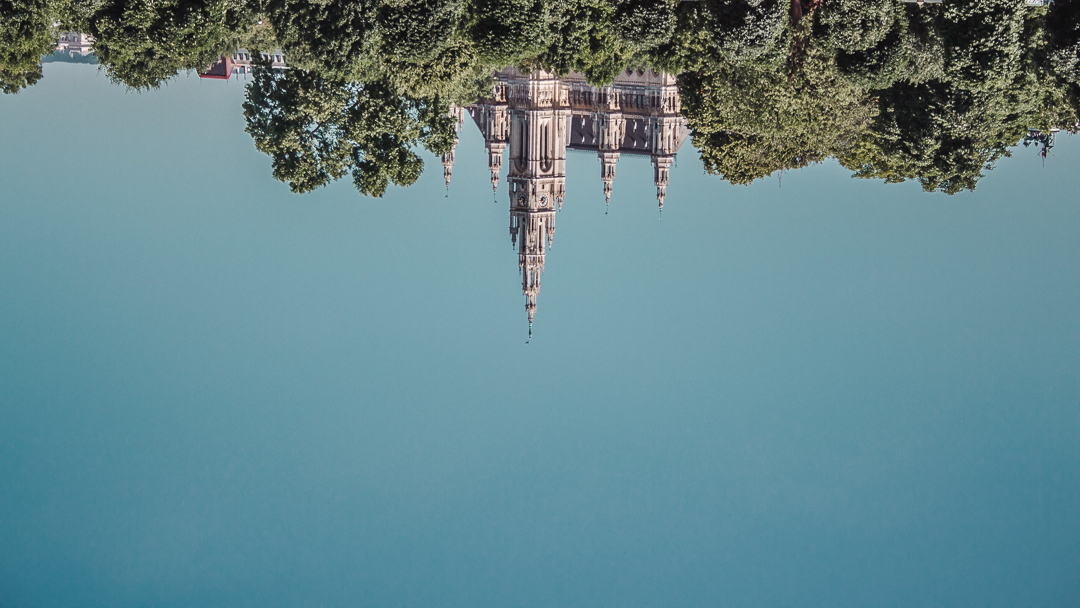
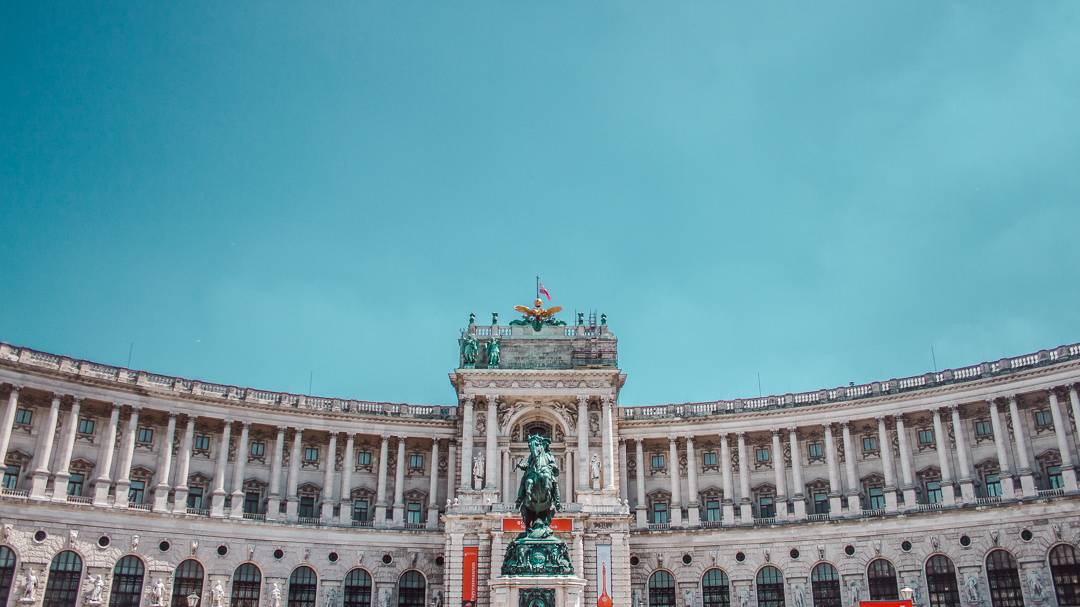
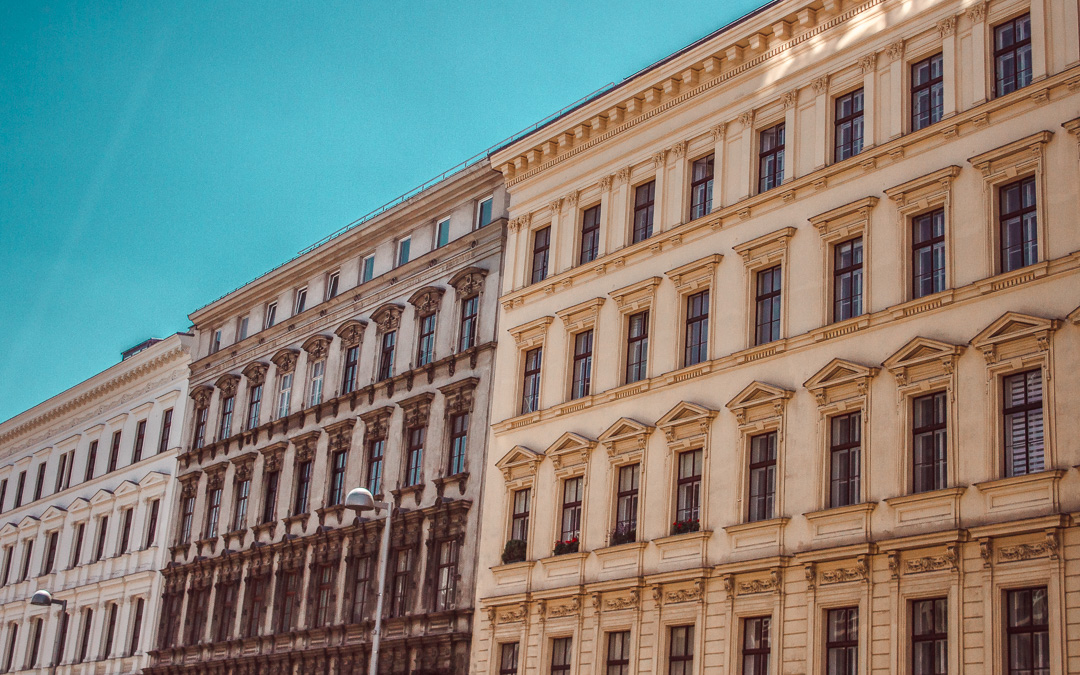
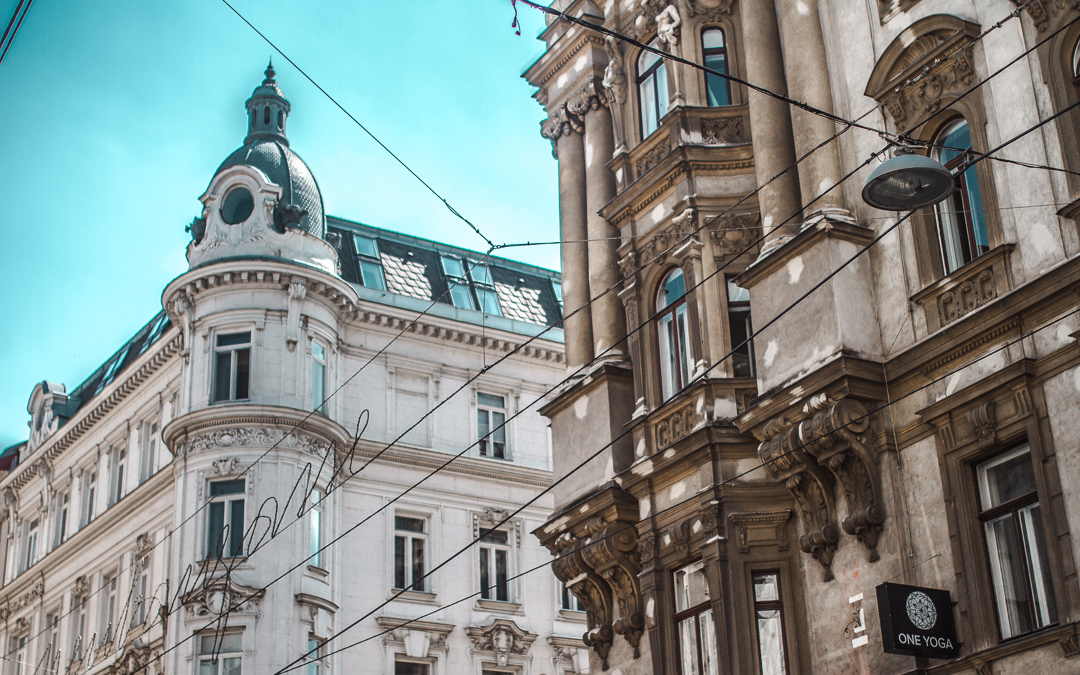
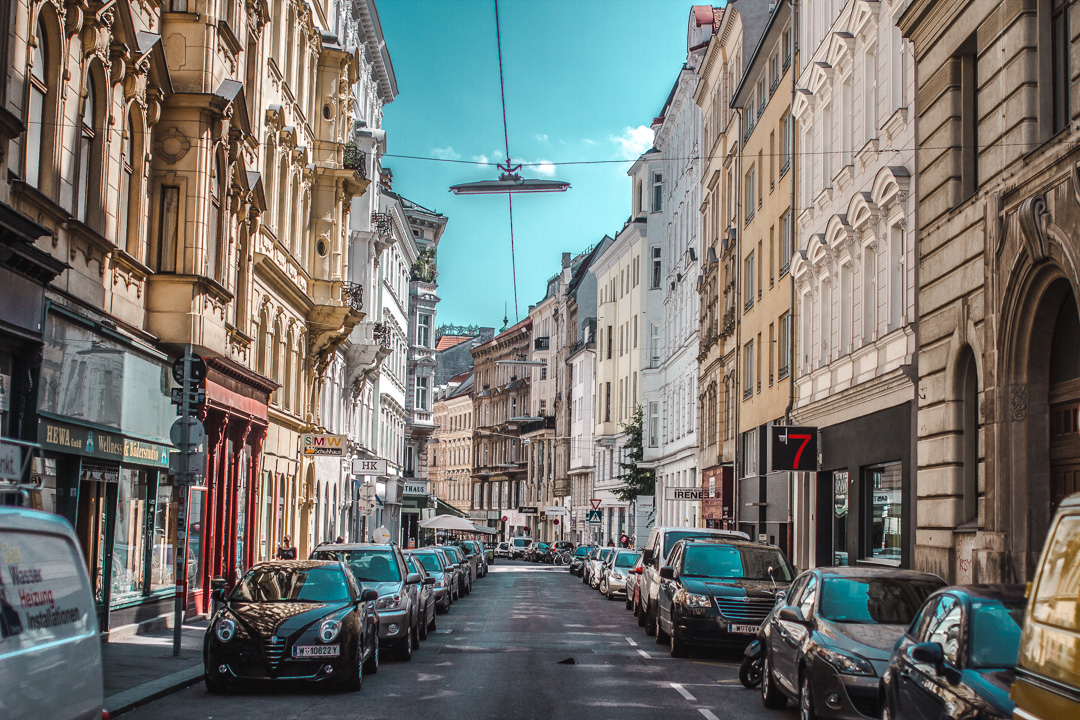
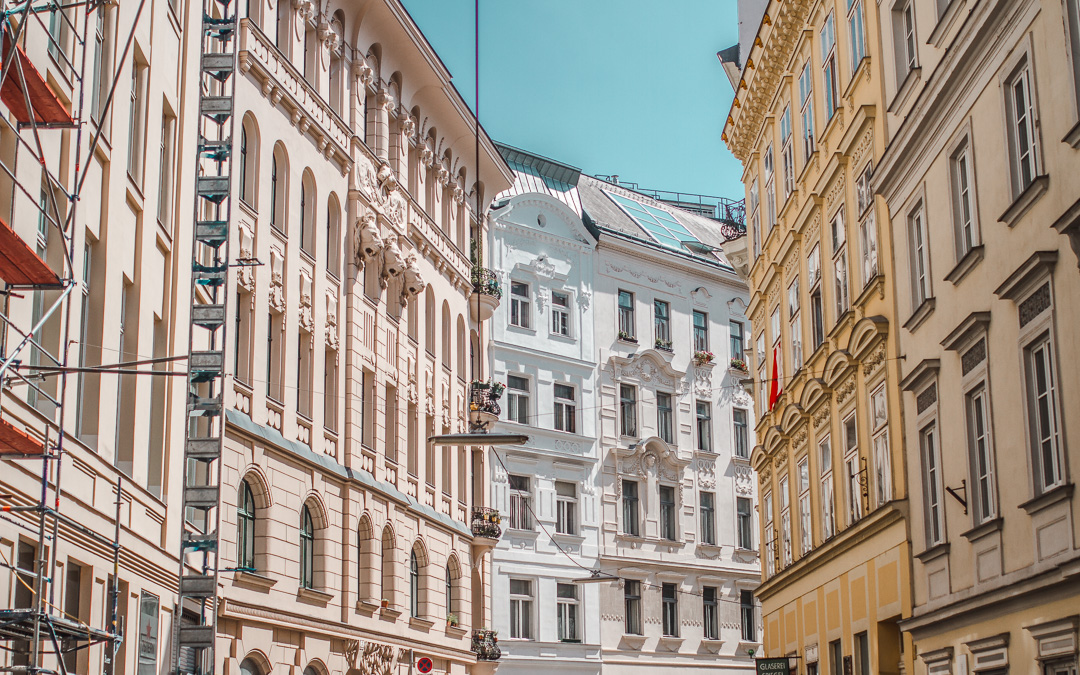
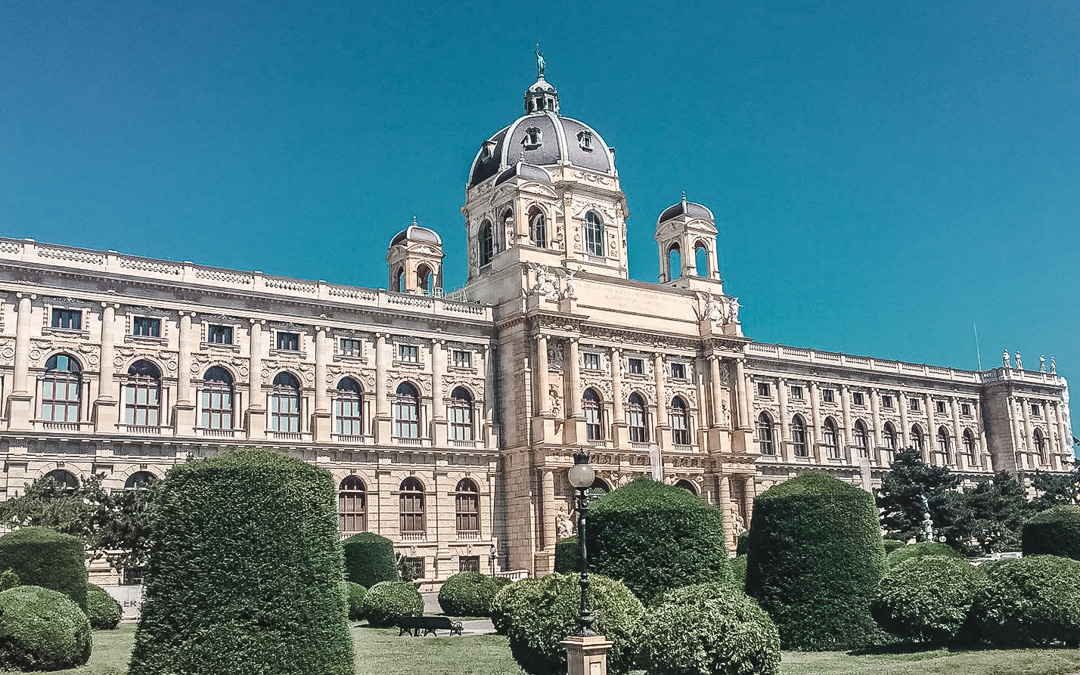
It’s been a summer of non stop travel so when I had the chance to spend a day in Vienna I jumped at the opportunity. Not many cities can boast the imperial grandeur of Vienna, once the centre of the powerful Habsburg monarchy. Hints of imperial architecture can be seen all around the city, intertwined with historic streets and churches. Vienna is the perfect city to explore on foot with idiosyncratic districts such as Neubau, Josefstadt and Leopoldstadt serving as backdrop to your late night strolls.

[separator type="thin"]

Streets of Vienna

[separator type="thin"]

blogger travel wanderlust austria

The trip was organised by the team from Neubau Eyewear who got the local radio host to guide us through the busy streets while explaining the unique Austrian culture. As the Austrian Empire grew and expanded over 60 years it left its mark on Europe. The tall, imperial buildings, trams and contemporary museums still define the city and as someone who spent his childhood in Eastern Ukraine, I couldn’t shake the feeling that I stepped back in time.

The Neubau district in particular was buzzing with restaurants, coffee houses and had a carefree bohemian vibe. This historic area is littered with courtyards you can stroll through or if you’re not in a rush the beer vending machines (yes, they do exist!) are sure to quench your thirst. Sit down, have a laugh with your friends, people watch and wonder why you waited so long to visit this unforgettable city.

vienna wien architecture

vienna wien architecture[separator type="thin"]

Get The Look

[separator type="thin"]

I completely underestimated the Austrian climate so wearing a nicely fitting suit in 32 degree weather was a little bit silly. Still, a man always looks his best in a custom made suit so things could have been worse. I like to keep my outfits pretty clean so I added to the suit with a plain black shirt, hi tops from Converse, classic sunnies from Ray Ban and a bag from Forbes & Lewis. If you wish to grab some for yourself make sure to check out the links below.

vienna wien architecture

[separator type="thin"]

Museumsquartier, Vienna

[separator type="thin"]
anton-dee-vienna-menswear-model-blogger-3

Museumsquartier ("quarter of museums") has been serving as a cultural district of Vienna since 2001. Though many museums and cultural institutions are situated there, it is not only a place for art, but also an urban space for tourists and residents alike. You’re encouraged to sit on the fibreglass sofas (with an optional bottle of wine) and mingle with the locals. As I was only in Vienna for one night I tried to make the most of it by making some new Austrian friends and going out for the evening. The rest as they say is history 😉

vienna-austria-wien-travel-blogger-wanderlust-49

[separator type="thin"]

STYLEGRAM

[separator type="thin"]

Thanks for reading my latest article. If you enjoyed what you read why please give it a share using the links below. For more fashion posts check out my latest lookbook with Bench, street style from London Collections or the architectural trip to Rome.

architecture in viennaAs always stay classy and if you wish to be featured in one of our roundups please contact editorial@thestyledivision.com or tag your social posts with #styledivision

INSTAGRAM | TWITTER | FACEBOOK | PINTEREST

12th October 2016No Comments

Language of Architecture, Paris

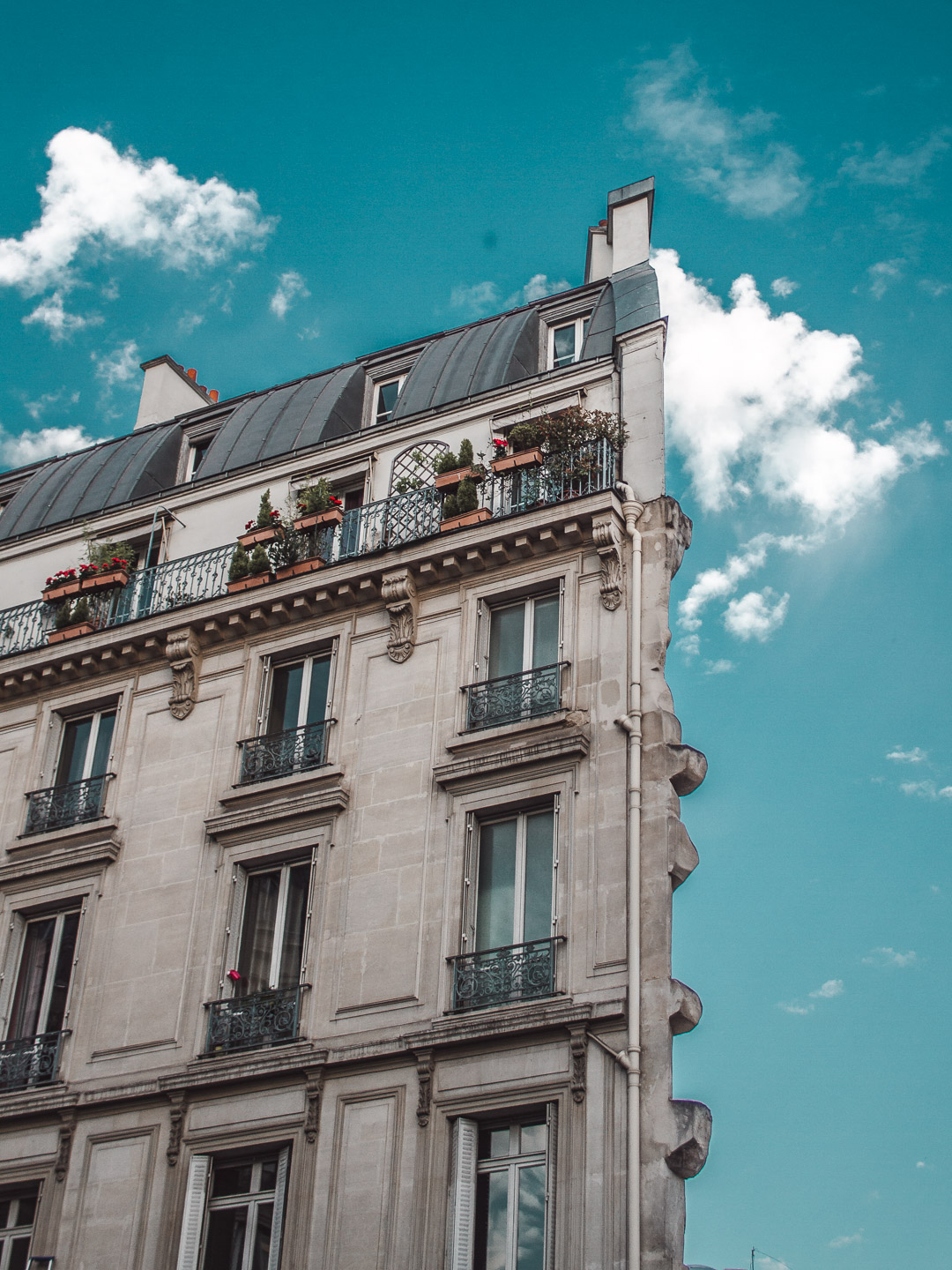
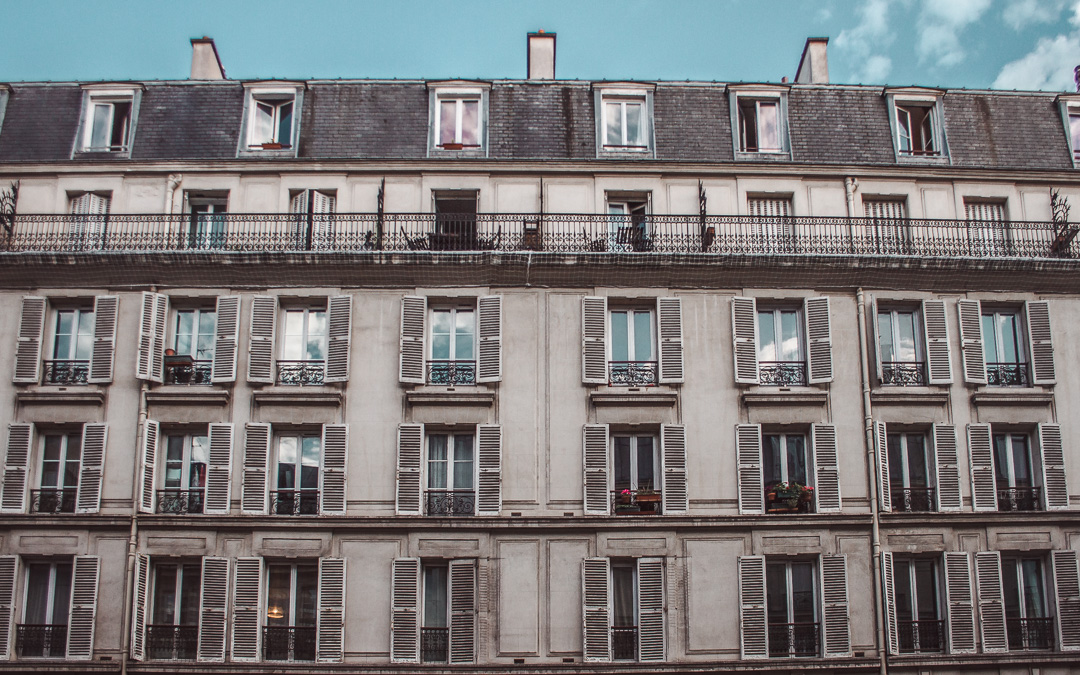
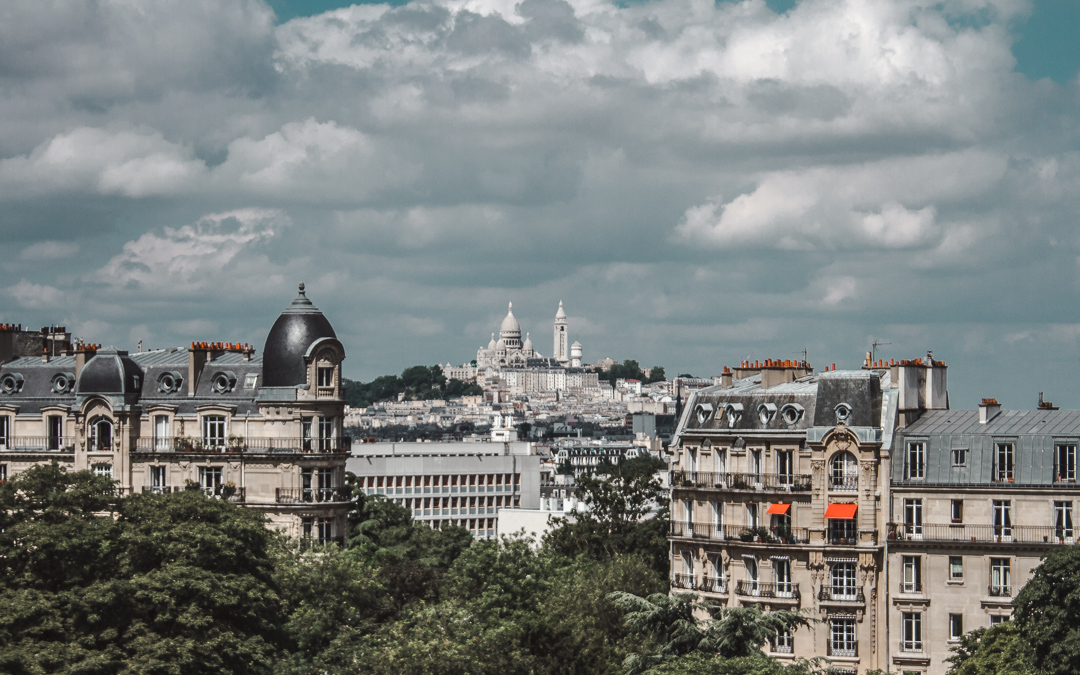
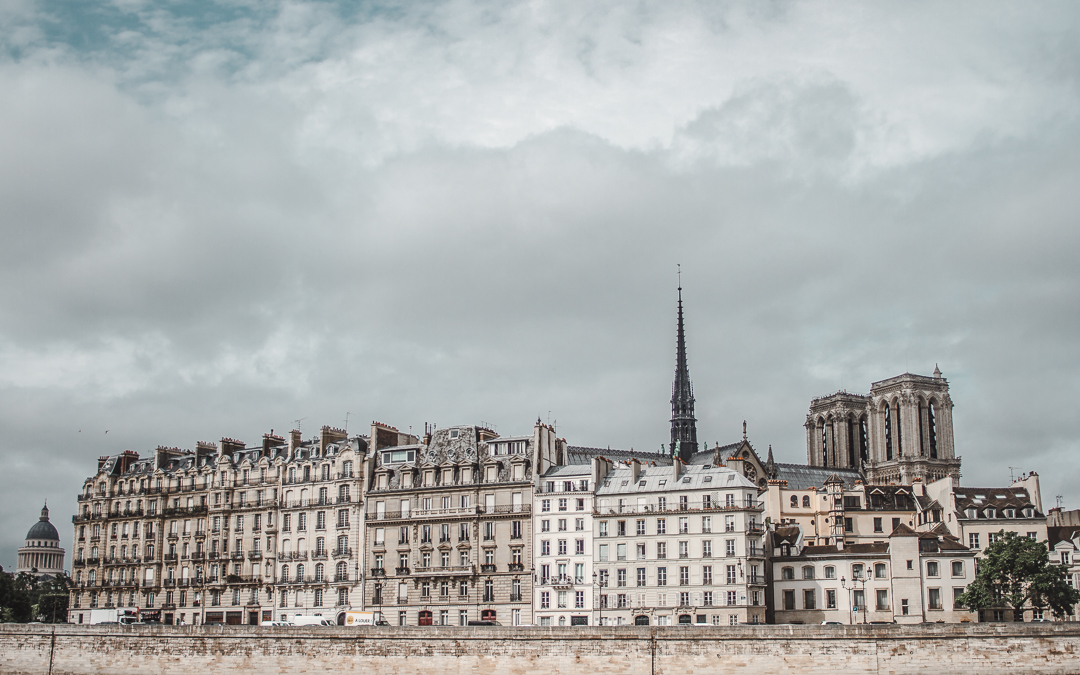
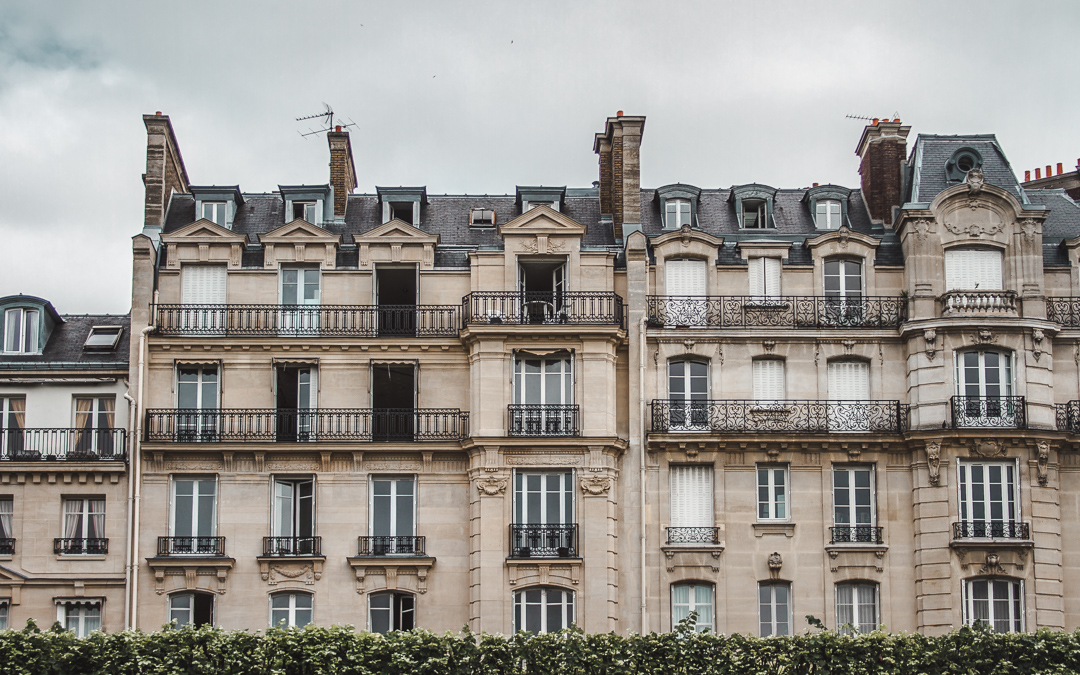
In the mid 19th century, Paris was suffocating in the cramped network of its ancient streets. Until then, the city had expanded by developing its outer districts without any careful consideration. It fell to Georges-Eugène Haussmann, who was appointed Prefect of the Seine by Emperor Napoléon III to implement an overall plan to rejuvenate the French capital. In 1860, areas on the periphery were annexed, making Paris a city of 20 districts instead of 12. Swiftly put into action, this vast urban redevelopment plan entailed the demolition of many buildings, and changed the face of the city we see today.

paris france Georges-Eugène Haussmann

[separator type="thin"]

Georges-Eugène Haussmann Paris Renovation

[separator type="thin"]

paris france Georges-Eugène Haussmann

The new, broad avenues crossing the city were lined with buildings that had to comply with certain regulations regarding their construction (use of stone, discreet decoration, alignment) ensuring the visual unity of the city. Intended as a response to the needs of a changing society, the new public buildings created monumental vistas, giving the illusion of stage set, complete with landscaping and green spaces. Admired for its harmonious aspect and the speed with which it was completed, Haussmann’s Paris subsequently became an international model of urban planning. (SOURCE)

In the 19th century, the development of archeological research and research expeditions brought a new body of historical knowledge to the attention of architects. France's rediscovery of national history and its monuments was supported by Louis-Phillipe's regime, keen to unite the nation around a shared past. To this end, he created a general inspectorate of Historic Monuments in 1830 to oversee the restoration of the great medieval buildings of France. These buildings became a new source of inspiration legitimised by French history, while the study of the ogee arch led Viollet-le-Duc and his students to adopt a new approach in their use of materials, especially metal and reinforced concrete.

paris street art graffitiArchitects also sought to move beyond pastiche by drawing on a number of references, displaying an eclecticism at once stylistic and theoretical. Far from being a constraint, historical models opened the way to modernity for 19th century architects: influenced by contemporary schools of thought, their projects took inspiration from a history that was no longer seen as an ideal but as a modern view of the development of mankind.

The ancient significance of architecture can't be understated as from the beginning of time human cultures wrote their thoughts using rocks. Words were made by superimposing stone upon stone. The Celtic dolman and cromlech, the Etruscan tumulus, the Hebrew galgal are words which eventually made sentences and books. These eventually expanded into symbols and finally structures we see around us today.

paris france Georges-Eugène Haussmann

Architecture developed side by side with human thought. This is reflected by great styles that define each era as well as the political and social revolutions that shaped the course of history. Locked into the walls of these temples, palaces or churches were ideals that launched a civilisation into the future confident that only serious natural disasters or social upheavals could stop them from existing.

The invention of the printing press changed everything. Books (and by that extension magazines and blogs of today) are a much more durable way of storing information. They cost much less to produce, could be copied and sent around the world (think of this as ancient texting). It's no surprise then that the rise of the printing press mirrors the decline of architecture as the dominant aesthetic form. (SOURCE: NERDWRITER)

paris france architecture

[separator type="thin"]

Art of Solitude

[separator type="thin"]

paris park

[columns_row width="half"]
[column]

paris park france[/column]
[column]

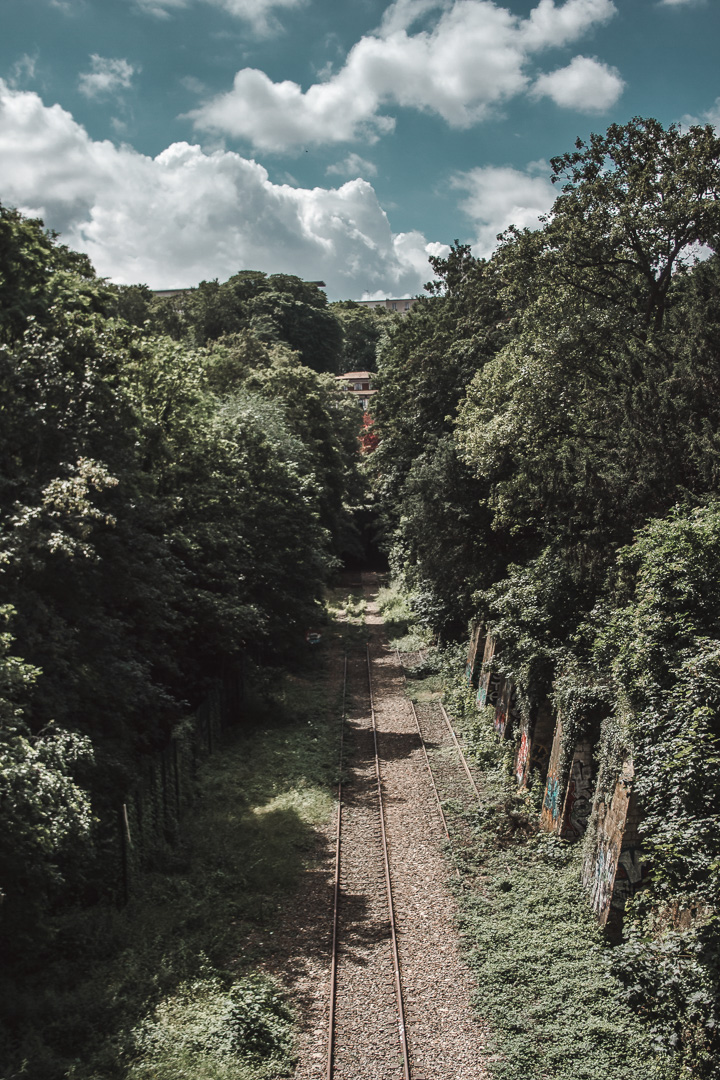
Like the Romantic painters, 19th century architects in France saw nature as a refuge from the effects of the Industrial Revolution. While the development of green spaces in the towns and the growth of holiday resorts offered alternatives to urban expansion and its, at times, anarchic developments, the natural world became a new source of inspiration that allowed architects to break free from references to historic styles. From the mid 19th century, the study of plants encouraged the revival of ornamentation; at the end of the century, trees, flowers, insects and animals would provide a source of inspiration for the artists of the 'New Art' or Art Nouveau. The development of natural sciences and geology, and research into the evolution of species, also led to changes in architectural thinking, as much in its historical and theoretical aspects as in technical and construction terms.

[separator type="thin"]

Further Reading

[separator type="thin"]

History of Paris

Haussmann's renovation of Paris

Romanticism

The Next Era of Architecture

Victor Hugo

Paris architecture of the Belle Époque

Concours de façades de la ville de Paris

[/column]
[/columns_row]

paris park france[separator type="thin"]

STYLEGRAM

[separator type="thin"]

Thanks for reading my latest article. If you enjoyed it why not give it a share using the links below? For more check out our latest lookbook with Bench, street style from London Collections or our trip to Rome.

paris france travel blogAs always stay classy and if you wish to be featured in one of our roundups please contact editorial@thestyledivision.com or tag your social posts with #styledivision

INSTAGRAM | TWITTER | FACEBOOK | PINTEREST

5th September 2016No Comments

Porto, Portugal // Photography Journal 63

Although I was only in Porto for a couple of hours I thought it'd be a waste to spend them at the train station so I grabbed my camera and went for a little wander. The Estádio do Dragão stadium was a most welcome surprise while the local delicacy 'Francesinha' invigorated my dormant taste buds into much needed action. The beer and tomato sauce sounds like a combination that really shouldn't work but hey, don't knock it till you've tried it.

[separator type="thin"]

Porto, Portugal

[separator type="thin"]

porto travel blog division photography-3

I also arrived in Portugal at the most opportune time. The national team had just made it to the Euro 2016 final against France and the mood was electric. I honestly think Portugese people are the most laid back and happy people in the world. If you told them a meteor was coming and they had 1 day left to live they'd probably shrug and continue having a laugh. A mindset I can totally get behind.

porto travel blog division photography-3

Getting lost around Porto allowed me to see the side of the city I bet many tourists don't get to visit. From neighbourhoods with children playing five-a-side in the street to deserted beaches, I think my impromptu outing into Porto was a pretty successful one. Oh and by the way, if you like this new style of photography I'm trying out then I'm sure you're gonna love the next few articles I have hidden up my sleeve. No more muted tones, it's all about colour, colour, colour!

master dynamic headphones

[separator type="thin"]

STYLEGRAM

[separator type="thin"]

Thanks for reading our latest article. If you enjoyed what you read why not give it a share using the links below? For more fashion posts check out our latest lookbook with Bench, street style from London Collections or our trip to Rome.

As always stay classy and if you wish to be featured in one of our roundups please contact editorial@thestyledivision.com or tag your social posts with #styledivision

INSTAGRAM | TWITTER | FACEBOOK | PINTEREST

2nd July 2016No Comments

Barcelona, Spain // Photography Journal 53

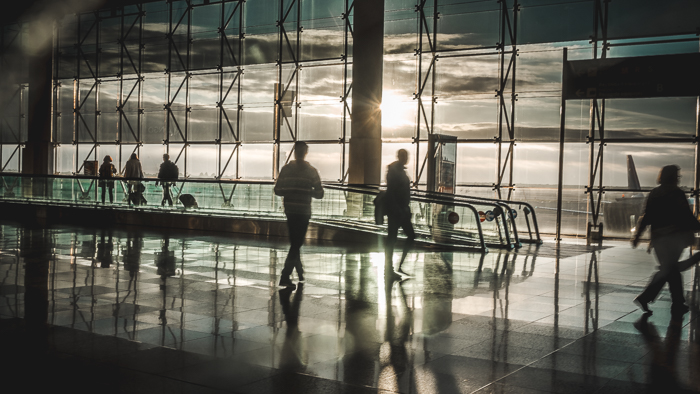
Lets be honest, the sheer act of traveling is a little bit of a hassle. I can never sit by the pool and just put my feet up for a few days but the unpredictable flight schedules, hotels and taxi troubles makes me understand the people who do. I was over in Rome and Bologna a couple of months ago and had to wait a day in Barcelona because of a cancelled flight. My Fuji was already smashed (as you will see by the dark marks in several of the pictures) so I thought Barcelona could serve as a perfect backdrop for its farewell.

[separator type="thin"]

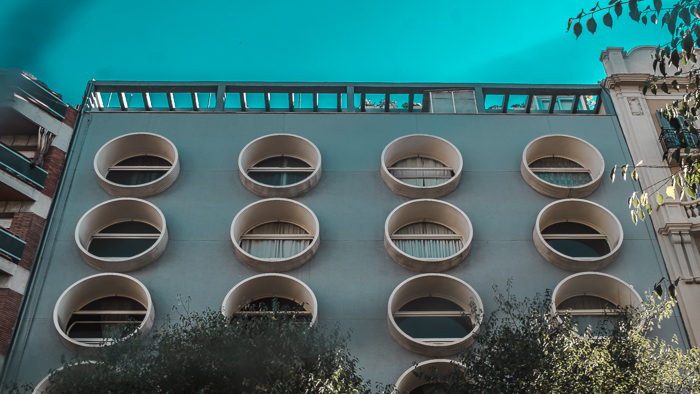
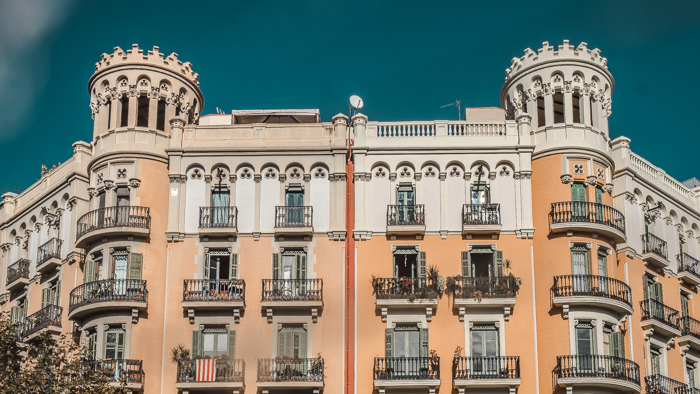
Architecture in Barcelona

[separator type="thin"]

mr dee explores barcelona spain photography-19

Many great painters and artists lived in Barcelona at some point in their lives and their influence is still evident throughout the city. Picasso and Miró have museums dedicated to their works while the Sagrada Família which was designed by Spanish architect Antoni Gaudí continues to generate a sense of awe.

mr dee explores barcelona spain photography-17

mr dee explores barcelona spain photography-32

The Sagrada Familia has three grand façades: the Nativity façade to the East, the Passion façade to the West, and the Glory façade to the South which is yet to be completed. Taking a small break by the pond and listening to a cello playing musician allowed me to really think about where I wish to take this platform. Over the course of the next 6 months all will be revealed but I still find myself thinking back to that moment and whether the gothic architecture had a part to play in my inspiration.

mr dee explores barcelona spain photography-27

[separator type="thin"]

AIRBNB to the rescue

[separator type="thin"]

mr dee explores barcelona spain photography-15

Once you've stayed in one nice hotel you've pretty much tried them all. The location might differ yet I always yearn for more. Airbnb allows me to really experience the city I'm staying in by linking up with a local and spending a few nights in their home.

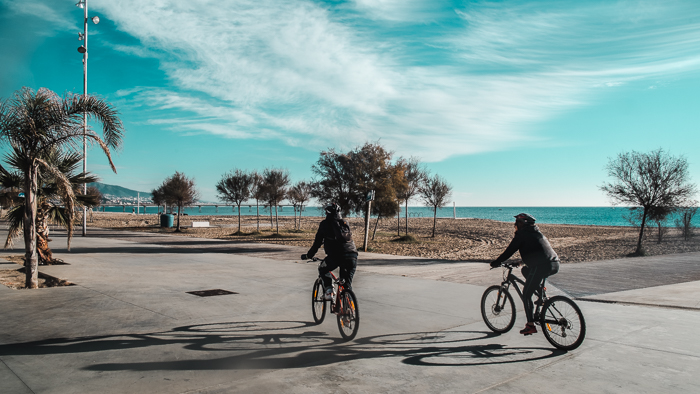
While in Barcelona I stayed on a houseboat with a man called Mark who didn't take life too seriously and invited me along to a small party with his pals. Riding around Barcelona, sea breeze hitting my face, I thought you really cannot put a price on experiences. There is a monetary cost involved, of course, but the value you gain from the experience cannot be underestimated.

people on bikes in barcelona

[separator type="thin"]

Camp Nou, Barcelona

[separator type="thin"]

camp nou barcelona

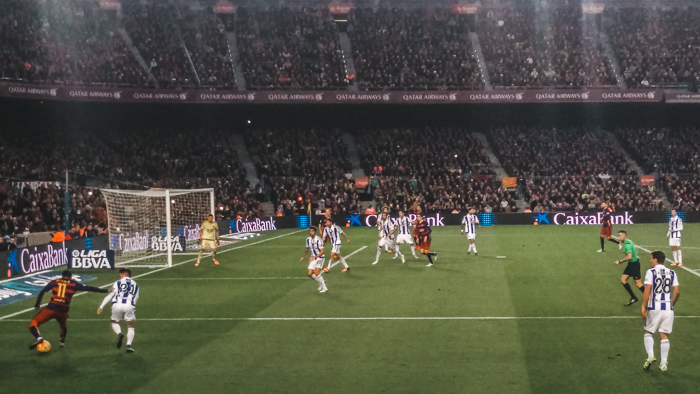
Its always been a dream of mine to see Lionel Messi in action. Although I support Chelsea FC it's difficult not to admire the little magician and what he's doing at FC Barcelona. The energy of the ground was pulsating as over 70,000 took the time out of their busy schedules to come together and create a one of a kind atmosphere.

They say football grounds are the modern day cathedrals and I'm inclined to agree. You come together to support a cause, sing songs and generally get delirious if your team scores a goal. By the 90 minute mark Suarez and Neymar both put one in the back of the next but Messi was nowhere to be seen. As I was contemplating leaving to beat the traffic Barcelona got a free kick in the 93rd minute. You can guess what happened next 🙂

[separator type="thin"]

STYLEGRAM

[separator type="thin"]

If you enjoyed this post make sure to share it with your friends using the links below. If you wish to see my latest lookbook check out my Topman - Great Britain, Great Suits campaign or for more travel journals check out my trip to Bologna.

barcelona airport shadowsAs always stay classy and if you wish to be featured in one of our roundups please contact editorial@thestyledivision.com or tag your social posts with #styledivision

INSTAGRAM | TWITTER | FACEBOOK | PINTEREST

18th June 2016No Comments

Bologna, Italy // Photography Journal 52

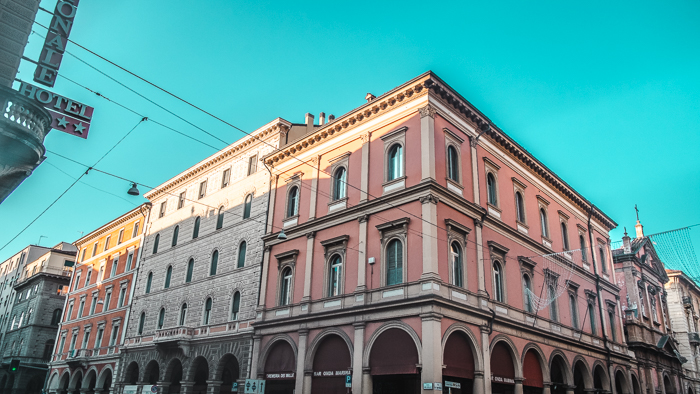
Every time I visit Italy my train passes Bologna and I just can't help but jump out, even for a couple of hours. Bologna boasts a one of a kind atmosphere that's hard to replicate, even with other Italian cities. As the touristy crowds flock to Milan or Florence, Bologna holds its own with a long mediaeval history, intricate architecture and best of all - amazing locals.

[separator type="thin"]

Bologna, Italy

[separator type="thin"]

bologna glass

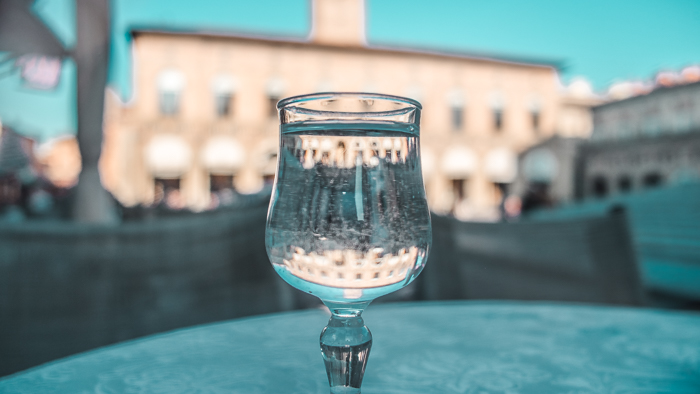
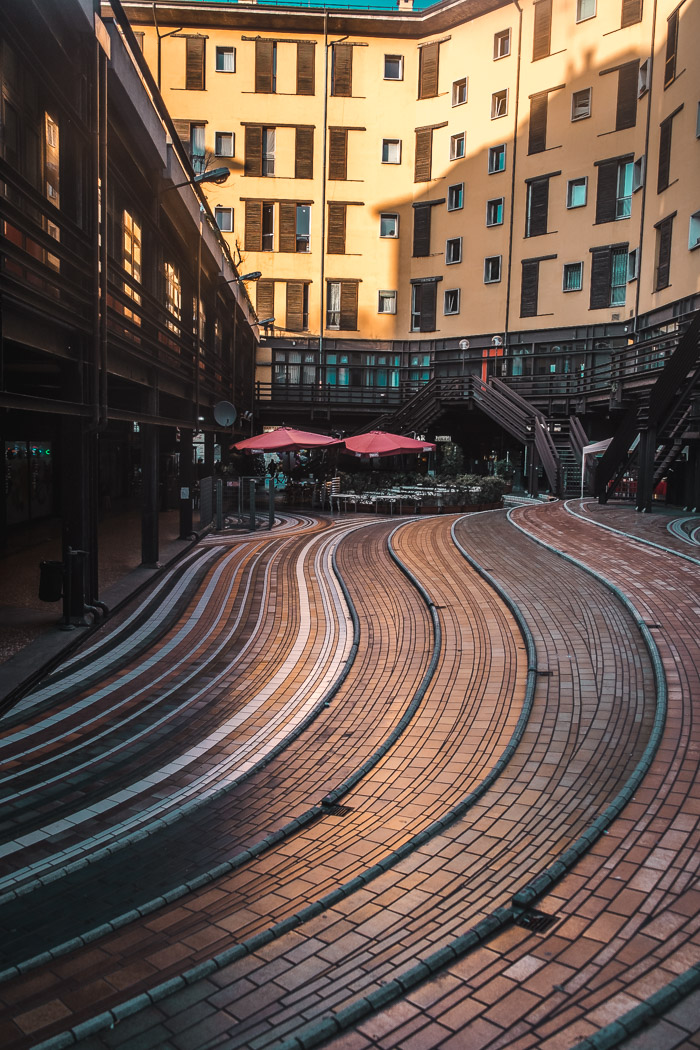
I was born in Ivano Frankivsk, Ukraine so I feel that Bologna and its architectural style remind me of my childhood. As you grow you begin to have a deeper appreciation for the smaller things in life many take for granted. Luckily my phone doesn't work properly abroad so instead of staring down I look up and try to find pleasure in geometry. An intersection of straight and curved lines, Bologna with its many porticoes and medieval Roman buildings is always a delight.

bologna art of visuals travel blogger italy-3

I started this blog for myself, not for anyone else. I wanted to have a space that reflects my vision of the world rather than just dumping pictures on Facebook and forgetting about them. I want you guys to come on this journey with me. My writing may not always be the best but believe me I'm trying 🙂 While in Italy I decided to try my hand at poetry. All that wine and culture must have got to me and I had an insatiable urge to write something from within. You can check it out below:

bologna art of visuals travel blogger italy-21

"Come take me young demons away from this slump

Come take me to where we started from

The years they went by and we thought we've not changed

But our heart's had enough of this mess we're in

You've snapped enough times for that title to ring true

But deep down you know the gem's always been you"

[separator type="thin"]

STYLEGRAM

[separator type="thin"]

bologna art of visuals travel blogger italy-22If you enjoyed this post make sure to share it with your friends using the links below and check out my latest lookbook in which I explore the North / South divide wearing a custom made Farah shirt.

As always stay classy and if you wish to be featured in one of our roundups please contact editorial@thestyledivision.com or tag your social posts with #styledivision

INSTAGRAM | TWITTER | FACEBOOK | PINTEREST

25th May 2016No Comments

Rome at Night – A Mindless Wander // Photography Journal 50

Everyone should have a role model, someone whose character and achievements you admire. For me that person is Richard Branson, the founder of Virgin and all round crazy guy who does not like to act his age. My admiration of Richard has shaped my personality as I have a clear disregard of authority and love to take the occasional risk. Sometimes you need to take it easy and just clear your head which is why mindless wanders are becoming one of my favourite pastimes.

rome italy at night stroll travel blog-5

[separator type="thin"]

If you're a regular reader of Style Division you may have seen a few of my previous posts where I explore the hidden and touristy sides of Rome but what they failed to show was just how charming the city becomes when the sun goes down. The streets aren't littered with tourists getting in your way with selfie sticks and you can explore Rome at your own leisure. Walking without purpose has a similar effect on your body as meditation as you put your mind to rest, even for a minute, and allow your subconscious to absorb the details that surround you.

vsco cam photography travelling wanderlustvsco cam photography travelling wanderlust

Without looking at maps or guides my stroll led me to St. Peter's www.healthsupportyou.com/accutane-isotretinoin/ Basilica situated right in the centre of the deserted Vatican. Although I managed to smash my camera lens getting that perfect shot it was kind of worth it as it allowed me to see how I deal with situations I have no control over. The old me would have panicked and started the following day in a foul mood but with a clear head and plenty of time to think it's easy to see that the only way out of those situations is to disregard them completely.

rome italy at night stroll travel blog-5exploring italy rome travel blog[separator type="thin"]

Night Photography, Rome

[separator type="thin"]

Make taking a walk a daily habit – I do every morning, it sets me up for the day ahead - Richard Branson

exploring italy rome travel blogvsco cam photography travelling wanderlust[separator type="thin"]

STYLEGRAM

[separator type="thin"]

vsco cam photography travelling wanderlustIf you enjoyed this post make sure to share it with your friends using the links below and check out the other post from my Italian adventure in which I explore an area of Rome that's forgotten by most - EUR.

As always stay classy and if you wish to be featured in one of our roundups please contact editorial@thestyledivision.com or tag your social posts with #styledivision

INSTAGRAM | TWITTER | FACEBOOK | PINTEREST

24th April 2016No Comments

A Stroll Through Rome // Photography Journal 43

With the amount of time I spend in Italy it's actually starting to feel like my second home. This time I actually had a camera with me (pre-accident with the lens) and decided to become a tourist for the day. I actually watched Gladiator on the flight over so feeling like Maximus Decimus a trip to the Colleseum was on the cards.

[separator type="thin"]

[columns_row width="half"]
[column]

travel blogger italia explore

As a lover of architecture Rome was an utter pleasure on the eyes. From Classical and Imperial architectural styles to Neoclassical and a style I honestly didn't expect - Fascist. The type of architecture normally found in Rome became popular in the 11th, 12th and 13th centuries and it's influence is still around today, most notably in the US with The White House and Supreme Court Buildings feeling pleasant to the eye for that particular reason.

[/column]
[column]

travel blogger italia explore

Rome, Italy

[/column]
[/columns_row]

[separator type="thin"]

[separator type="thin"]
Colosseum, Rome

Built of concrete and sand, it is the largest amphitheatre ever built. Cialis brand and generic Cialis effectiveness reviews read on http://howmed.net/cialis-generic/. Unlike earlier Greek theatres that were built into hillsides, the Colosseum is an entirely free-standing structure although signs of deterioration have really begun to show. Like many beautiful things on earth it was constructed by slaves in 70–80 AD and hosted a number of gladiator fights, exotic animal hunts (which included leopards, crocodiles and bears), battle recreations and religious festivals. It is estimated that he Colosseum could hold between 50,000 - 80,000 spectators at once which is huge considering the time.

[separator type="thin"]

coliseum rome gladiator architecture

mr division dee rome italy photography blog travel

travel blogger italia explore

sunset over rome explore travel

[separator type="thin"]

STYLEGRAM

[separator type="thin"]

If you enjoyed this post make sure to share it with your friends using the links below and check out my latest lookbook in which I explore the North / South divide wearing a custom made Farah shirt.

As always stay classy and if you wish to be featured in one of our roundups please contact editorial@thestyledivision.com or tag your social posts with #styledivision
INSTAGRAM | TWITTER | FACEBOOK | PINTEREST

ANTON DEE
+506 8361 3617
antondee@pm.me

 CLIENTS