15th October 2016No Comments

Happiness in Dorset

Travel is essential for the well being of your mind and body but don’t go packing that suitcase just yet. Often a simple change of scenery is the only thing that's required so instead of looking for cheap flights abroad, research and see hidden treasures around you. Since I moved to London 2 years ago it's been difficult to actually get out of the city. There's so much to see and do that putting things off becomes an unwritten pasttime. Holidays abroad became easier than local adventures so to put a stop to this a few of us grabbed our cameras and drove down to Dorset to see what Mother Nature had in store for us.

anton dee durdle door[separator type="thin"]

Kimmeridge Bay, Dorset

[separator type="thin"]

british coastline

The first stop on our adventure was Kimmeridge Bay which filled the nostrils with a fresh sea breeze and set the mood for the rest of the trip. In the distance you can see Clavell Tower, also known as Clavell Folly or the Kimmeridge Tower. The tower is a Grade II listed building which was built on the top of Hen Cliff back in 1830. The receding tide also exposed the geology of the world renowned Jurassic Coast. The rocky shale and comentstone reefs make the area a key habitat for marine animals while historic fossils and dinosaur bones have also been discovered here.

dorset travel blogcote ciel backpack anton dee

[separator type="thin"]

Get The Look

[separator type="thin"]

[separator type="thin"]

Finding Happiness

[separator type="thin"]

friends durdle door

Maybe it was the fresh air or simply a change of scenery but for the first time in months I felt truly happy. No worries about girls, work, rent or what my next article is going to be about. Just a simple day of walks, laughs and photographs. This got me thinking about happiness and how people view it as a commodity or thing we're all entitled to but for me it's more of a feeling or a state one finds themselves in. The world renowned illusionist and personal hero of mine Derren Brown recently gave an interview on Radio 2 about this very topic. He talked about how the question of happiness isn't thought about as much as it used to be. People think they know what they need to be happy but unfortunately chasing the path of fame and fortune isn't likely to be fortuitous. Fame and fortune should be by-products of your life, not the sole purpose of it as success isn't something that arrives suddenly.

british nature

Maybe the word 'happy' is part of the problem as we use the term loosely everyday. You team won a football game? You say you're happy. Enjoyed a nice meal at your favourite restaurant? Same answer. Using one word to describe different emotions is limiting and diminishes its value. Perhaps what we're feeling is pleasure and sometimes its hard to distinguish between the two. More and more self help books are published everyday with a simple message that anyone can “magically get what they want”. This is a damaging precedent as it's a promise that will always disappoint.

Ancient Greek philosophers such as Epicurus and Pyrrho also talked about Atoraxia, a lucid state of robust tranquillity, characterised by ongoing freedom from distress and worry. The teachings of Buddhism follow along the same lines by telling you that attachment to things you cannot control will only lead to pain so treading the fine line between productivity and tranquility is the way to go.

dorset stairway to heaven

I feel that happiness is whats left when you remove anxiety and disturbances from everyday life or as the 18th century philosopher Jean-Jacques Rousseau put it:

"Happiness: a good bank account, a good cook, and a good digestion"

[separator type="thin"]

Durdle Door, Dorset

[separator type="thin"]

lulworth cove stair hole

Travel in and of itself will not make you happy but it does pull you out of your comfort zone. To grow and develop (whether personally or creatively) you have to take risks and continuously try new things. Over the next couple of days I will be using my travel journals to delve deeper into our fragile psyche and explore topics such as stress, decisions and what makes a good life. But for now here are a few more snaps from the truly gorgeous Durdle Door.

dorset-durdle-door-britain-uk-nature

lulworth cove stair hole

Durdle Door is a natural limestone arch on the Jurassic Coast near Lulworth in Dorset, England. It is privately owned by the Welds, a family who owns 12,000 acres in Dorset in the name of the Lulworth Estate. Big thanks to the crew for dragging me out of my slumber and helping me discover this unique piece of British coastline. A few of the pictures weren't taken by me so if you like what you see make sure to check out their accounts using the links below:

Ed Robertson // Jess Hope // Zsuzsa Zichó // Jonathon Cartwright // Amber Hoa

durdle door dorset uk

[separator type="thin"]

STYLEGRAM

[separator type="thin"]

dorset-durdle-door-britain-uk-natureThanks for checking out my latest post. If you enjoyed what you read you can share it using the links below or just follow me on your favourite social channels. Remember, no one is going to tell you what happiness is as it’s different from person to person. Don't believe that if you wish for it the universe will provide, go out there an do it! Until next time 🙂

As always stay classy and if you wish to be featured in one of our roundups please contact editorial@thestyledivision.com or tag your social posts with #styledivision

INSTAGRAM | TWITTER | FACEBOOK | PINTEREST

14th October 2016No Comments

Magical Malta

When asked to sum up the Buddha’s teachings up in one phrase a zen teacher Suzuki Roshi simply said, “Everything changes.”. We must remember this in our daily lives and understand that clinging on to things only creates suffering. Whether it's a job, relationship or possessions it's illogical to make things work just because you cannot bear to face the alternative. The alternative is always unknown and thus can produce a great deal of anxiety. Relinquishing all control of one self and going with the flow will always yield unexpected results.

[separator type="thin"]

Magical Malta

[separator type="thin"]

malta travel visit valletta photography orange teal-2

Alan Watts used to compare life to music. The point of music is music, he would say. People enjoy listening to music for the rhythm, the stream of melody. No one is listening to music to hear it end. If they were then, as Watts pointed out, their favourite songs would be the ones that ended abruptly with one single uproar of noise. Life is the same way.

With that mindset I have recently decided to leave my position with the wonderful guys over at Unsigned and travel the world in search of adventure. My latest stop was Malta which is a country shrouded in beauty and a rich, violent history. In the middle of the Mediterranean Sea, where the sea narrows between African and European continents, the islands of Malta and Gozo offer the best of both worlds. The laid back Italian culture permeates every nook and cranny of its cities such as Valletta and Birgu while the hot African climate means clear skies and very little chance of rain.

malta valletta dvsn[separator type="thin"]

[separator type="thin"]

Malta possesses natural deep and well-protected harbours. These were one of the island's most important assets, and that is the main reason why the different Mediterranean powers, whether for trade or for control, always desired to occupy the archipelago. When the knights of St John arrived in Malta in 1530, the peninsula on which Valletta and Floriana were to be built was practically uninhabited. There was a small church and probably a tower at its tip, to watch over the entrance to the harbours and perhaps a few farmhouses. The area was immediately recognised by the knights as an excellent strategic site for a fortified city.

malta travel visit valletta photography orange teal-2

The very first structure to be built was For St Elmo. The piratical attack of 1551 made it clear to the knights that they were in grave danger. There were no adequate defences and they decided to build fortifications in case that raid was just a spying mission. A year later a small star-shaped fort was erected to the designs of Pietro Pardo. It was built in such a hurry that it was said that attacked would take it in a few days. Because of this detail, various grand masters continued to add walls and better fortifications , without actually making it better. Other suggestions and even plans were prepared to build a fortified city but, since it was felt that an attack was imminent and there was not enough money to start such a large project, they were postponed. In 1565, when a large Ottoman armada landed in Malta, only Fort St Elmo was in place.

The Great Siege was fought around the Grand Harbour area. Before the loss of Fort St Elmo, the Ottomans used the high ground of the promontory to attack both the fort and the other side of the harbour fortifications. The successful end of the siege in September of the same year, led to the knights to insist with the European powers that both material and financial help was needed quickly, or else they would abandon the islands. Help thus was sent, which included Francesco Laparelli, the pope's military architect.

malta travel visit valletta photography orange teal-2

Laparelli immediately went about working out a feasible plan and on 28 March 1566, the first stone of the new city was laid. The line of fortifications was quickly erected and soon the first buildings rose behind them. The definite transfer of the headquarters of the Order from Vittoriosa to Valletta in 1571 led to a series of building programmes, which was to become an ongoing exercise. The first buildings were erected in the style of the time, namely late Renaissance and Mannerism. In the seventeenth century Baroque was introduced and this led to more buildings, and sometimes the pulling down of others in order to rebuild them in the new style. Various architects were brought over to continue with this trend and painters were also invited to decorate the interior of the churches and palaces.

[separator type="thin"]

[separator type="thin"]

The Architecture of Malta

[separator type="thin"]

The Maltese islands are an architectural paradise. The various powers that occupied the islands throughout the last 7,000 years have all left their mark, one way or another. The most impressive architectural remains must surely be the prehistoric temples, which have been called 'the oldest free-standing buildings in the world'. One can appreciate the techniques used by these prehistoric builders, even though they lacked the proper tools to erect such impressive structures. Chronologically, the next architectural gems are from the Roman period, with the most important being the Domus at Rabat and the Roma Baths, limits of Mgarr.

malta valletta dvsn

Medieval architecture can be mostly seen at Mdina or in the various older village cores that still abound. The small houses have been lost, but the impressive palaces built by the well-to-do and the noble families have survived. The two-mullioned windows and the pointed arches are typical of this period. Something similar can be seen at Birgu, especially inside the Inquisitor's Palace. Some churches dating from this period ave survived as well, although they are not amongst the most impressive.

malta valletta dvsn

The Baroque period must surely be referred to as the Golden Age of Malta. The building of Valletta in the sixteenth century led to the military and religious Order of St John to set up its headquarters there. After settling down, the knights started to add to their buildings, or even pull them down and rebuild them. Foreign architects who were invited to Malta, together with local talent, erected buildings like the auberge of Castile in Valletta (Andrea Belli), the cathedral in Mdina (Lorenzo Gafa), and various other palaces all over the islands.

malta travel visit valletta photography orange teal-2

While all of this public building was being carried out, whole systems of fortifications were being planned and built all over the islands. The urban conglomerations around Valletta as well as the coast ended up being provided with all kinds of defence systems that are mostly still standing.

malta travel visit valletta photography orange teal-2

The British introduced styles of architecture more to their liking, such as the Neo-Classical style and the Neo-Gothic. One can notice some of these buildings in Malta. The latter style was usually much more associated with church buildings, and the magnificient cemetery at Marsa.

malta travel visit valletta photography orange teal-2

[separator type="thin"]

[separator type="thin"]

Although I travelled to Malta to get away from the hectic nature of London I found myself walking over 20 kilometres every day just to experience this wonderful island. Its diverse history and culture is reflected in the architecture and after spending a week here it felt like I only begun to scratch the surface.

malta travel visit valletta photography orange teal-2

Thanks for reading my latest article. If you enjoyed it please give it a share using the links below. For more check out my latest lookbook from Paris, street style from London Collections or my trip to the magical city of Coimbra.

As always stay classy and if you have a story you wish to share please contact editorial@thestyledivision.com or tag your social posts with #DVSN

INSTAGRAM | TWITTER | FACEBOOK | PINTEREST

14th October 2016No Comments

The Dark Side of Rome’s Architecture

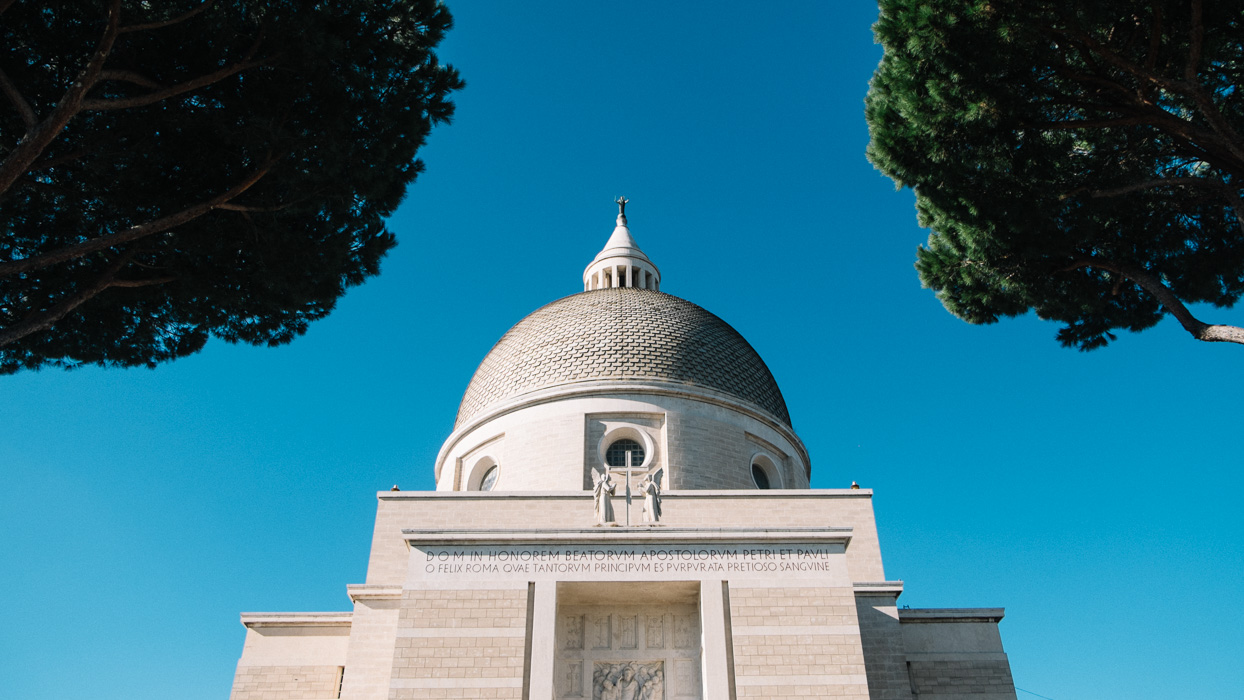
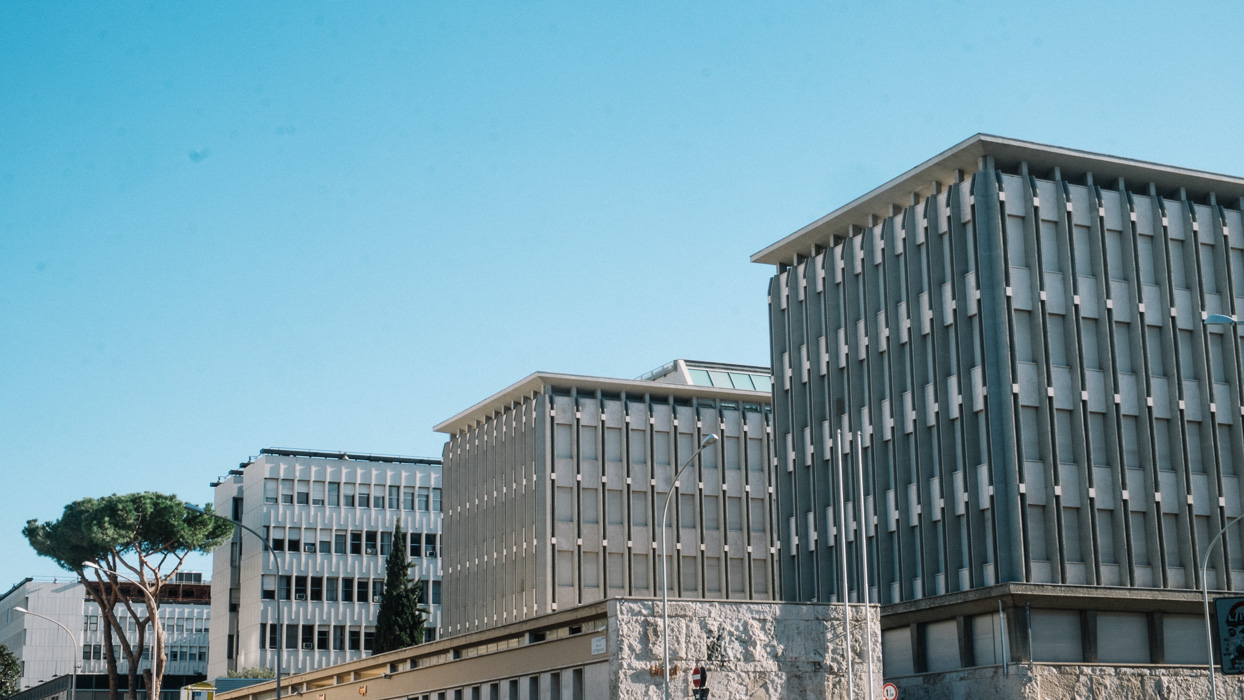
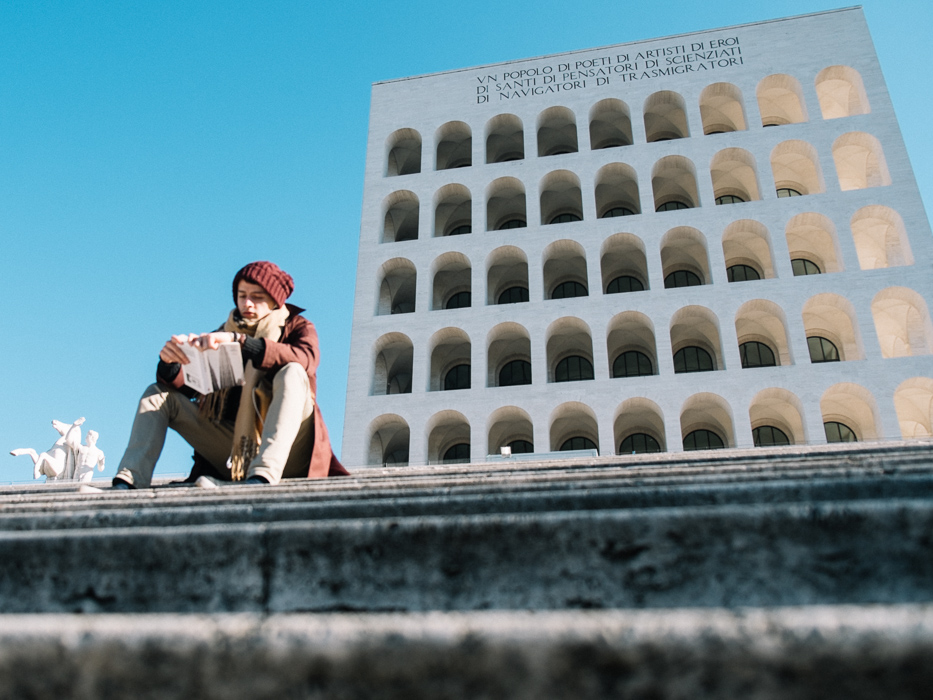
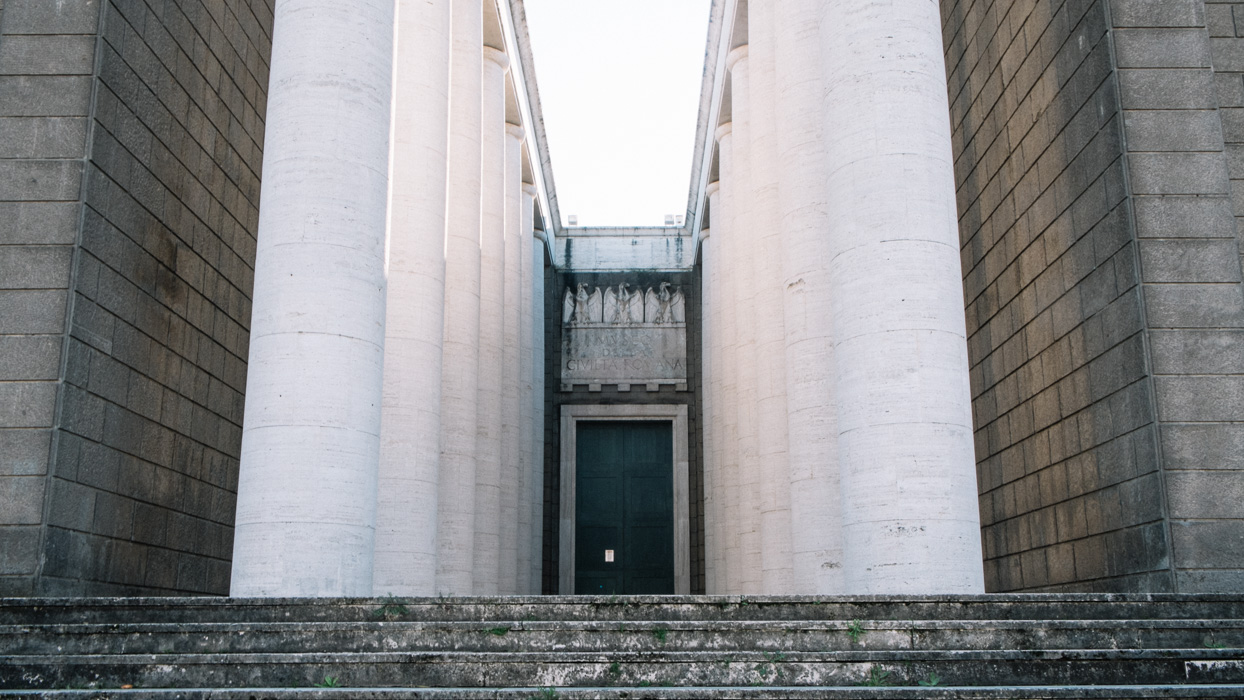
Just strolling through Rome left me with an unforgettable experience. When you're surrounded with that much history and culture a little bit of it does rub off on you. When I woke up in my AirBNB apartment on Day 2 I decided to do something different. Most people will visit the Coliseum and explore the city but with my obsession with architecture reaching new levels I took a short train ride out of the city into an area called EUR. EUR stands for Esposizione Universale Roma, a worlds fair that the dictator Benito Mussolini and his administration planned for 1942, to celebrate 20 years of Fascist rule in Italy.

[separator type="thin"]

[separator type="thin"]

Ss. Pietro e Paolo a Via Ostiense

[separator type="thin"]

Diane Ghirardo (author of Italy: Modern Architectures in History) describes the Fascist Italian culture during the 1940's as one that strived to create "exquisite images of desired realities". The original plan was for EUR to draw heavily on Rome’s extraordinary heritage and purity which explains why so many structures were made out of white marble, a clear symbol of oppression and racism of the fascist regime.

rome italy eur architecture explore fujifilm photography-17

[separator type="thin"]

rome italy eur architecture explore fujifilm photography-17

[separator type="thin"]

Palazzo della Civilita Italiana

[separator type="thin"]

Palazzo della Civilita Italiana

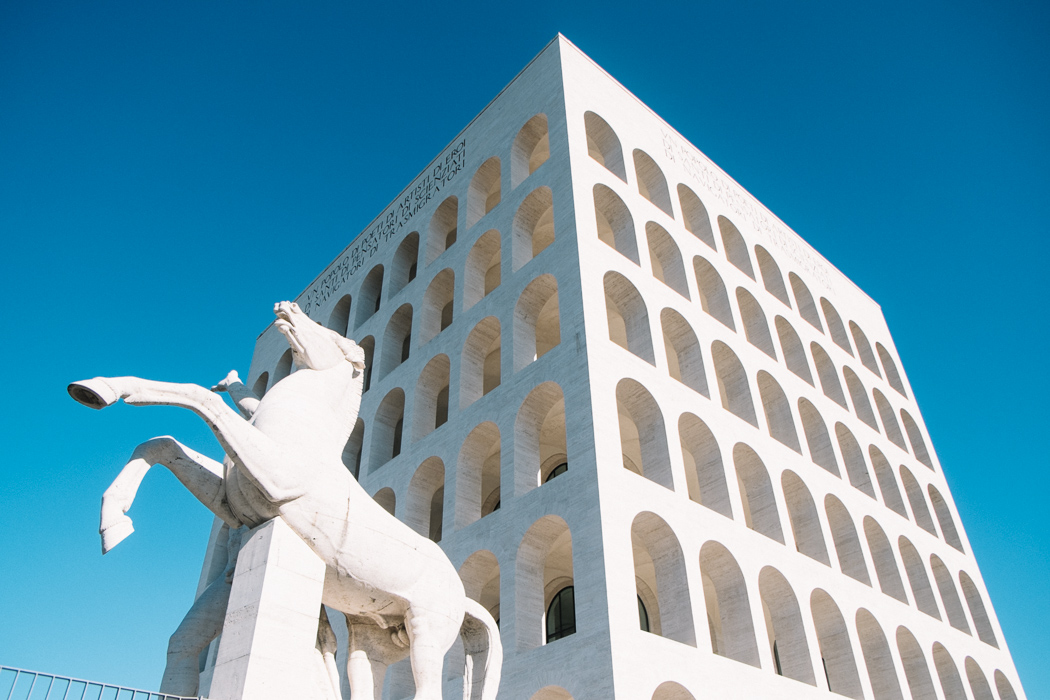
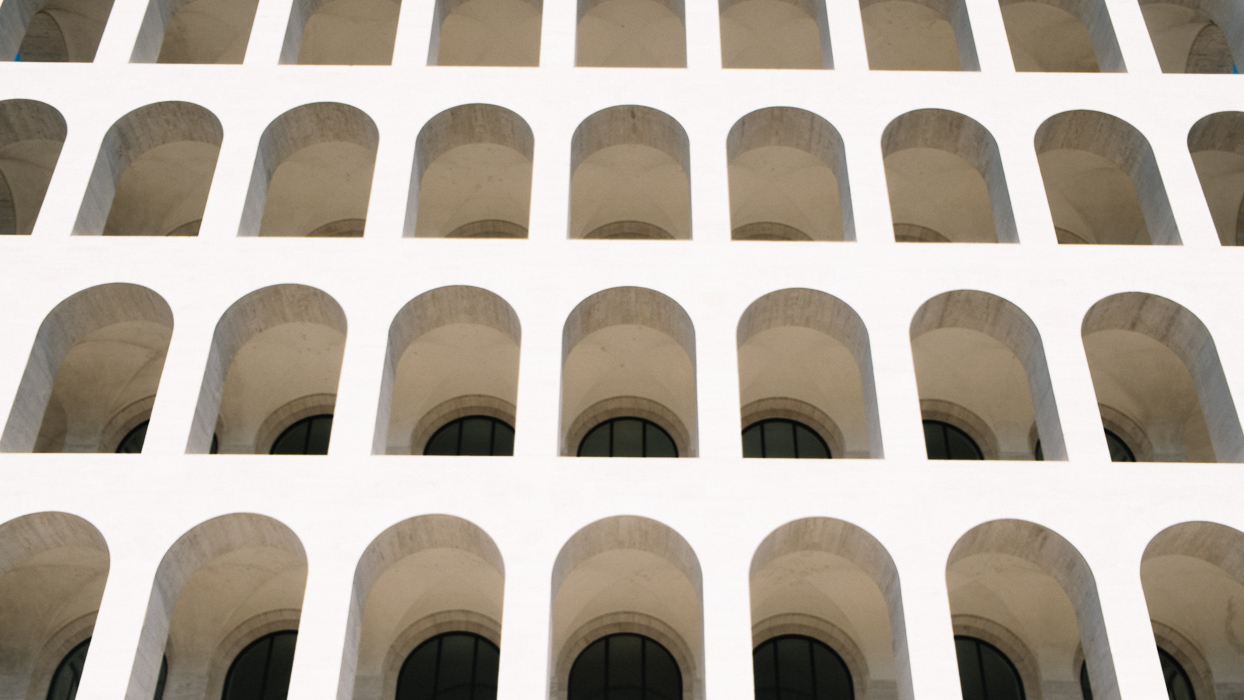
The Palazzo della Civiltà Italiana, also known as the Palazzo della Civiltà del Lavoro or simply the Colosseo Quadrato (Square Colosseum), is an icon of Fascist architecture. This grandiose building was designed in 1937 to host the Mostra della Civiltà Romana during the 1942 World Fair by Italian architects Giovanni Guerrini, Ernesto Bruno La Padula and Mario Romano.

Across all four sides of the building runs the inscription taken from a speech of Benito Mussolini on 2 October 1935:"Un popolo di poeti, di artisti, di eroi, di santi, di pensatori, di scienziati, di navigatori, di trasmigratori" (a nation of poets, of artists, of heroes, of saints, of thinkers, of scientists, of navigators, of migrants). This shows how even a dictator's ideologies can look perfect on paper but actions speak louder than words as history has shown us time and time again.

[columns_row width="half"]
[column]
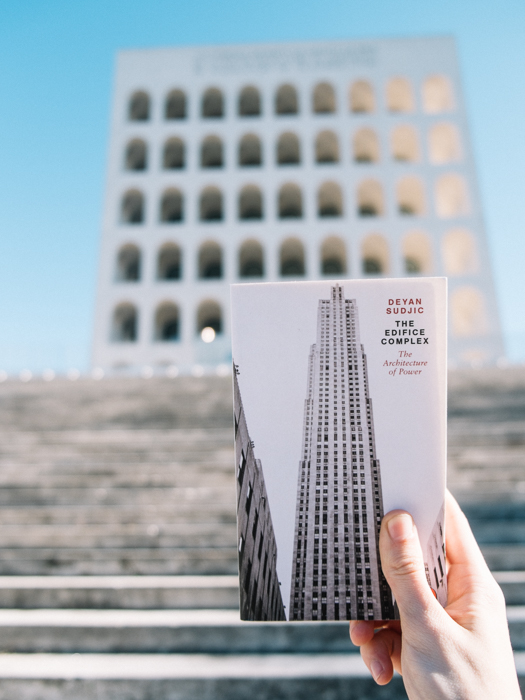
The Edifice Complex: The architecture of power:

[/column]
[column]

The Edifice Complex: The architecture of power rome

At the time of travel I was reading a book by Deyan Sudjic called "The Edifice Complex" which explores the intimate relationship between power, money and architecture in the twentieth century. It's a fascinating read as the book really nails down the motivations behind each dictators actions.

[/column]
[/columns_row]

Fascist architecture Benito Mussolini eur whiite Palazzo della Civilita Italiana

Palazzo della Civiltà del Lavoro was built as a modern celebration of the Colosseum and inspired by older Roman landmarks although Benito Mussolini did manage to instil a piece of himself within it. The façade of six rows of nine arches each is meant to represent the Fascist dictator name (Benito having six letters and Mussolini nine) and stand the test of time after his death in 1945.

[separator type="thin"]

EUR, Rome Architecture Photography

[separator type="thin"]
rome italy eur architecture explore fujifilm photography-54

Colosseo Quadrato provides us with a rare glimpse into urban Italy and the possibilities that would have unfolded had the regime not fallen during the war. The left over architectural style is often called simplified neoclassicism with large, symmetrical streets and white buildings with austere facades dominating the view. I really enjoyed getting lost in EUR and walking through scenes that wouldn't look out of place in La Dolce Vita so if you ever get the chance to visit Rome, take a risk and venture outside the city. You never know what you might find.

[separator type="thin"]

[separator type="thin"]

[separator type="thin"]

STYLEGRAM

[separator type="thin"]

If you enjoyed this post make sure to share it with your friends using the links below and check out my latest lookbook in which I explore the North / South divide wearing a custom made Farah shirt.

As always stay classy and if you wish to be featured in one of our roundups please contact editorial@thestyledivision.com or tag your social posts with #styledivision

INSTAGRAM | TWITTER | FACEBOOK | PINTEREST

14th October 2016No Comments

Midnight in Paris // Journal 72

When I travel I try to stray off the beaten path. You still get to experience the touristy side of the city but also find the little intricacies that only the locals really know about. During my time in Paris I of course visited the Eiffel Tower and Arc de Triomphe but the walks to those landmarks were much more interesting than the landmarks themselves. I met two French girls who told me about their lives in Paris, a group of tourists who planned their days around sunsets (see below) and some older gentlemen by the Seine who treated me to some wine and stories of their youth. You cannot really put a price on those experiences and you also won't find them in any holiday brochure and yet this is what stuck with me. The landmarks are just the backdrop, the story you have to make for yourself.

midnight-in-paris-france-nuit-2[separator type="thin"]

Midnight In Paris

[separator type="thin"]

[columns_row width="two-thirds-and-third"]
[column]

eiffel tower lit up at night[/column]
[column]

At the end of the 18th century, the technical advances of the Industrial Revolution facilitated the use of metal, which was used to reinforce stone in buildings as well as in civil engineering structures and frameworks. In the first half of the 19th century, metal was also used in the construction of specific buildings, glasshouses in particular, but the combination of stone and metal always seemed more appropriate for ensuring the monumentality of a building.

In the middle of the century, the success of the Crystal Palace in London (1851), and then of the Central Market Hall (Les Halles) in Paris (1854), both with a design based mainly on metal structures, revealed the aesthetic qualities of this material. From then on, the increasingly widespread use of cast iron and iron became a symbol of French industrial and technical success, as demonstrated at the Universal Exhibition of 1889, by the Gallery of Machines and above all the Eiffel Tower. The Eiffel Tower would achieve iconic status, a symbol of the capital but also a symbol of the aspirations of a society making great technological advances.

[separator type="thin"]

Read More

[separator type="thin"]

Eiffel Tower

Eiffel Tower Materials

Industrial Revolution

History of the Eiffel Tower

History of Construction

Gustave Eiffel

[/column]
[/columns_row]

midnight-in-paris-france-nuit-2

I'm a big fan of Woody Allen and on first viewing 'Midnight in Paris' left me a little bit confused. It strayed from his classic 'guy meets girl in New York' formula and yet I find myself returning to it more often than 'Annie Hall' or 'Manhattan'. As classic as those movies are 'Midnight in Paris' touches on a fundamental aspect of nostalgia. In Greek, ‘nostalgia’ literally means ‘the pain from an old wound.’ It’s a twinge in your heart far more powerful than memory alone. (SOURCE) This is why I believe it's important not to forget your past but to learn from it. Past experiences allow you to grow as a person but they do not define you. We also tend to view the past with rose tinted glasses, whether it's partners or experiences, the ones in the past sometimes feel 'better' than what we have now. Ironically that's just a story that we tell ourselves because we have the power of time and context to analyse the situation in full. I bet whatever hardships you're going through at the moment will seem less significant if you look back on them in a years time.

midnight-in-paris-france-nuit-2

The characters in 'Midnight in Paris' long for the past because they cannot accept the present and that's a very dangerous mindset because you have no idea what the future may bring. If you knew what the future held in store for you then this game of life would be anything but interesting. Get Levitra free trial on http://www.trendingdownward.com/generic-levitra-cheap/ and try for ED or pulmonary hypertension treatment. Chess players abandon a game when it's obvious who's going to win even if there are plenty of pieces left on the board because it's no longer interesting to continue playing. In life it's exactly the same, you want to know about the future but you also wish to be surprised.

[separator type="thin"]

Get The Look

[separator type="thin"]

[columns_row width="two-thirds-and-third"]
[column]

arc de triomphe silhuette[/column]
[column]

[/column]
[/columns_row]

seine river at night

“Nostalgia is denial. Denial of the painful present. The name for this denial is Golden Age thinking - the erroneous notion that a different time period is better than the one ones living in - its a flaw in the romantic imagination of those people who find it difficult to cope with the present.”

seine night[separator type="thin"]

STYLEGRAM

[separator type="thin"]

Thanks for reading my latest article. If you enjoyed it why not give it a share using the links below? For more check out our latest lookbook with Bench, street style from London Collections or our trip to Rome.

As always stay classy and if you wish to be featured in one of our roundups please contact editorial@thestyledivision.com or tag your social posts with #styledivision

INSTAGRAM | TWITTER | FACEBOOK | PINTEREST

13th October 2016No Comments

Vienna, Austria // Journal 70

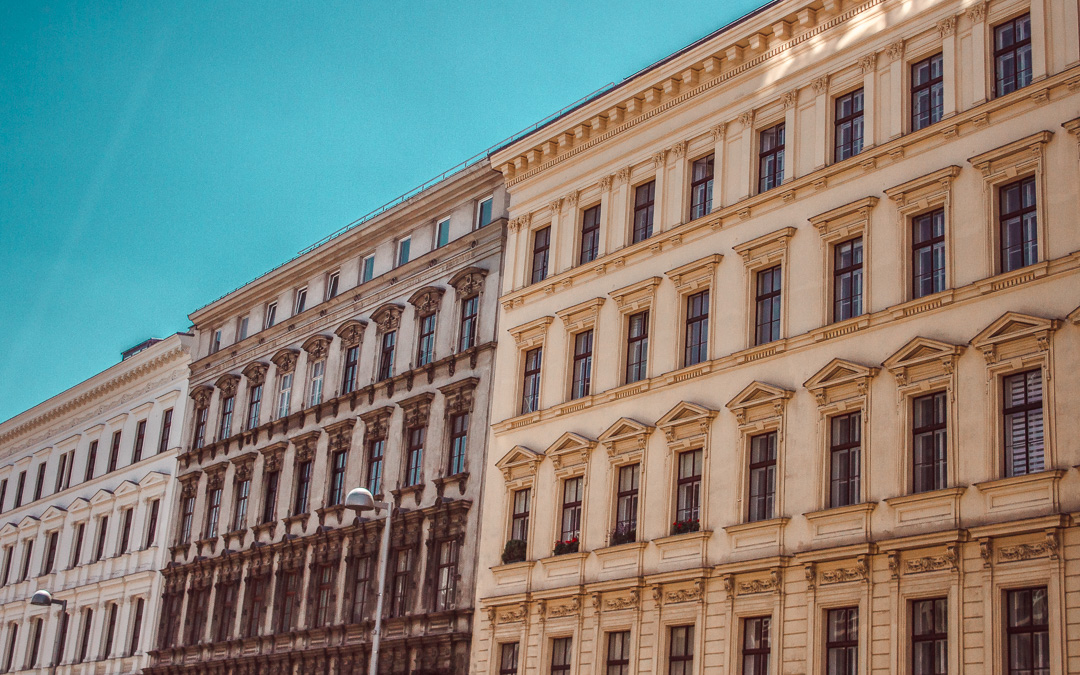
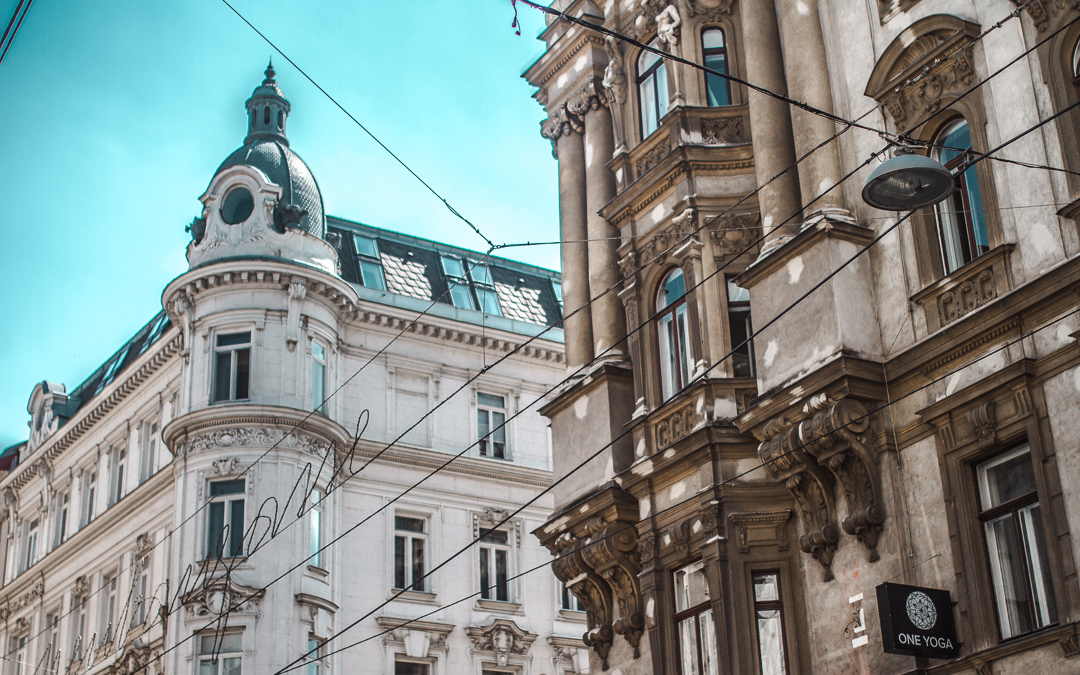
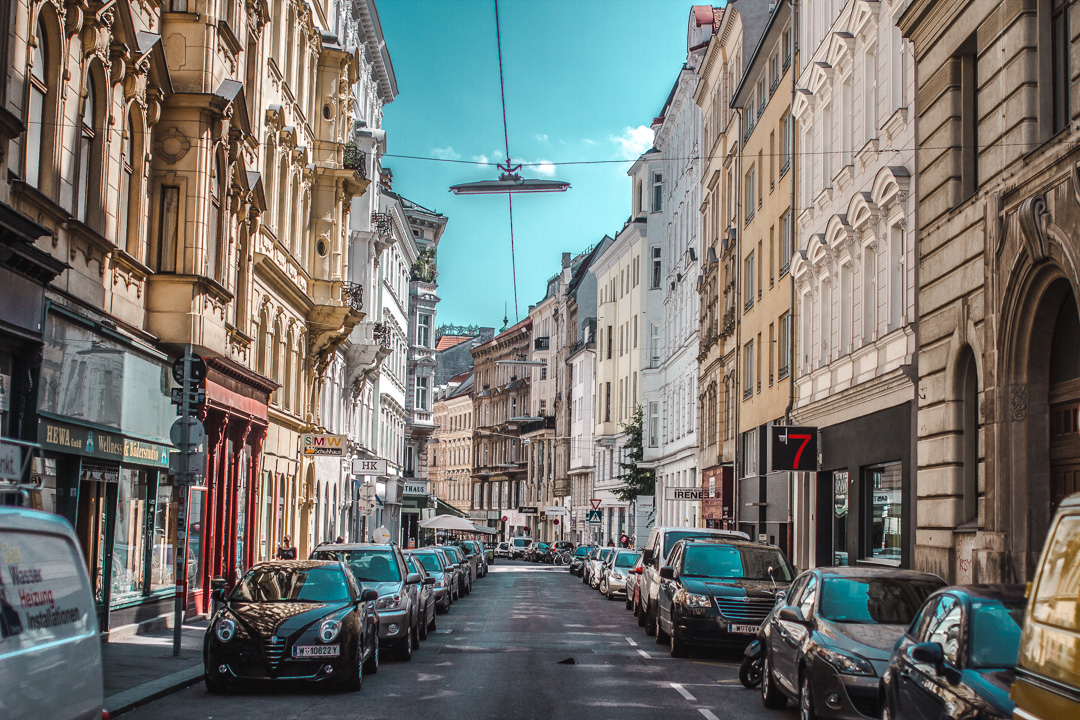
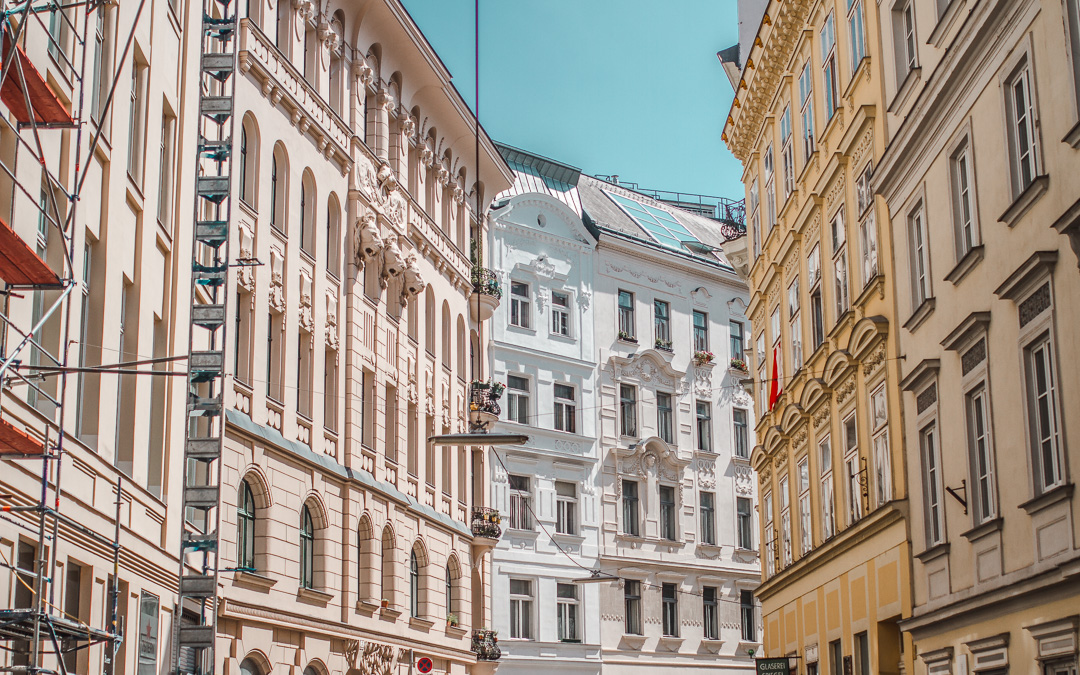
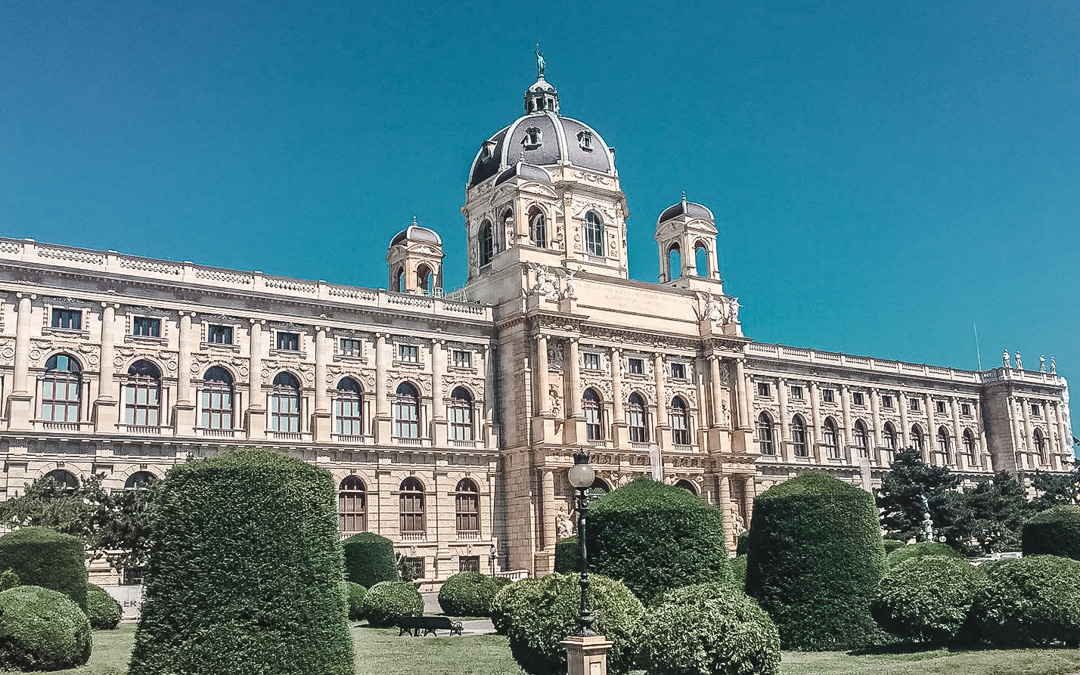
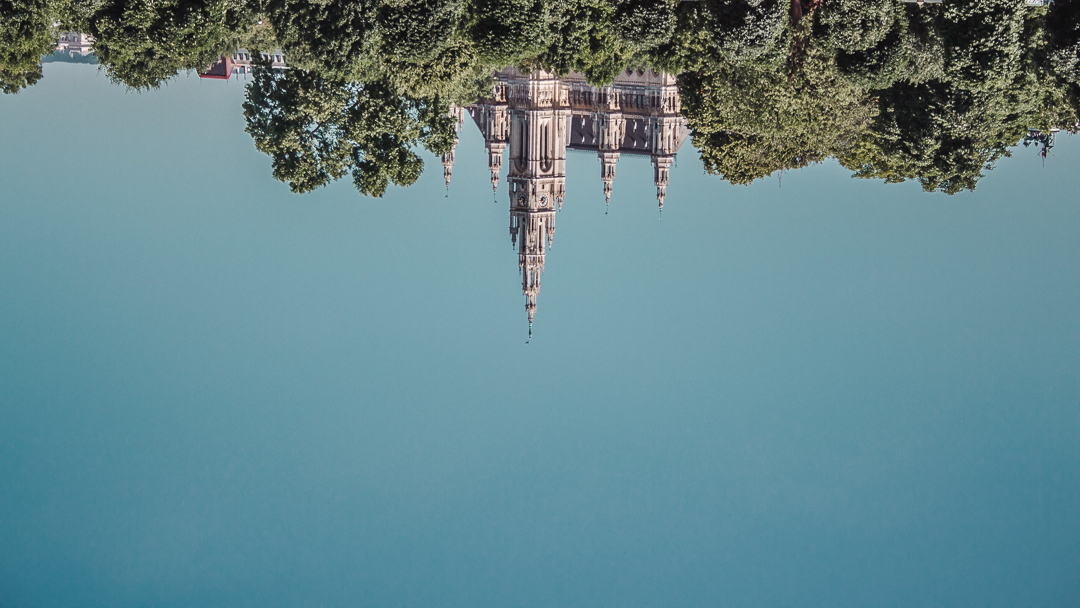
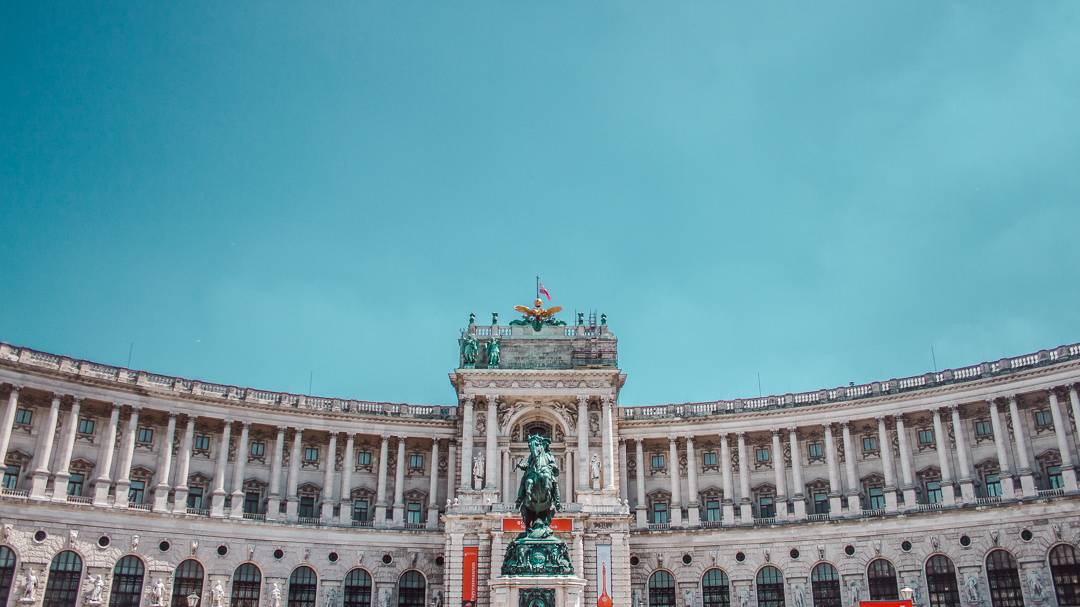
It’s been a summer of non stop travel so when I had the chance to spend a day in Vienna I jumped at the opportunity. Not many cities can boast the imperial grandeur of Vienna, once the centre of the powerful Habsburg monarchy. Hints of imperial architecture can be seen all around the city, intertwined with historic streets and churches. Vienna is the perfect city to explore on foot with idiosyncratic districts such as Neubau, Josefstadt and Leopoldstadt serving as backdrop to your late night strolls.

[separator type="thin"]

Streets of Vienna

[separator type="thin"]

blogger travel wanderlust austria

The trip was organised by the team from Neubau Eyewear who got the local radio host to guide us through the busy streets while explaining the unique Austrian culture. As the Austrian Empire grew and expanded over 60 years it left its mark on Europe. The tall, imperial buildings, trams and contemporary museums still define the city and as someone who spent his childhood in Eastern Ukraine, I couldn’t shake the feeling that I stepped back in time.

The Neubau district in particular was buzzing with restaurants, coffee houses and had a carefree bohemian vibe. This historic area is littered with courtyards you can stroll through or if you’re not in a rush the beer vending machines (yes, they do exist!) are sure to quench your thirst. Sit down, have a laugh with your friends, people watch and wonder why you waited so long to visit this unforgettable city.

vienna wien architecture

vienna wien architecture[separator type="thin"]

Get The Look

[separator type="thin"]

I completely underestimated the Austrian climate so wearing a nicely fitting suit in 32 degree weather was a little bit silly. Still, a man always looks his best in a custom made suit so things could have been worse. I like to keep my outfits pretty clean so I added to the suit with a plain black shirt, hi tops from Converse, classic sunnies from Ray Ban and a bag from Forbes & Lewis. If you wish to grab some for yourself make sure to check out the links below.

vienna wien architecture

[separator type="thin"]

Museumsquartier, Vienna

[separator type="thin"]
anton-dee-vienna-menswear-model-blogger-3

Museumsquartier ("quarter of museums") has been serving as a cultural district of Vienna since 2001. Though many museums and cultural institutions are situated there, it is not only a place for art, but also an urban space for tourists and residents alike. You’re encouraged to sit on the fibreglass sofas (with an optional bottle of wine) and mingle with the locals. As I was only in Vienna for one night I tried to make the most of it by making some new Austrian friends and going out for the evening. The rest as they say is history 😉

vienna-austria-wien-travel-blogger-wanderlust-49

[separator type="thin"]

STYLEGRAM

[separator type="thin"]

Thanks for reading my latest article. If you enjoyed what you read why please give it a share using the links below. For more fashion posts check out my latest lookbook with Bench, street style from London Collections or the architectural trip to Rome.

architecture in viennaAs always stay classy and if you wish to be featured in one of our roundups please contact editorial@thestyledivision.com or tag your social posts with #styledivision

INSTAGRAM | TWITTER | FACEBOOK | PINTEREST

12th October 2016No Comments

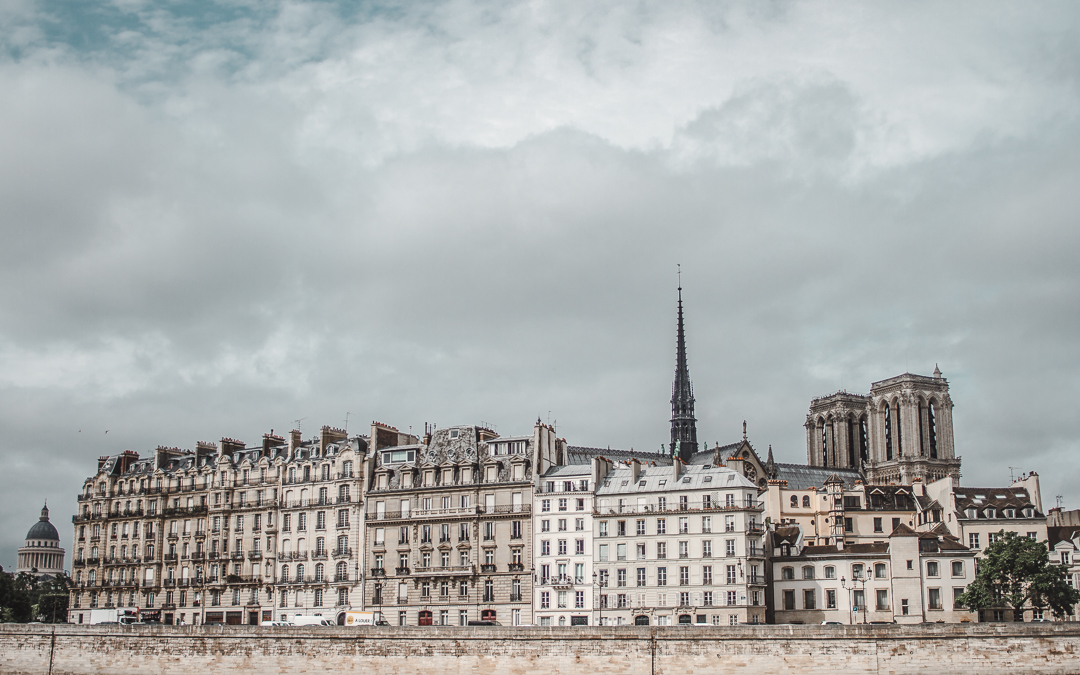
Language of Architecture, Paris

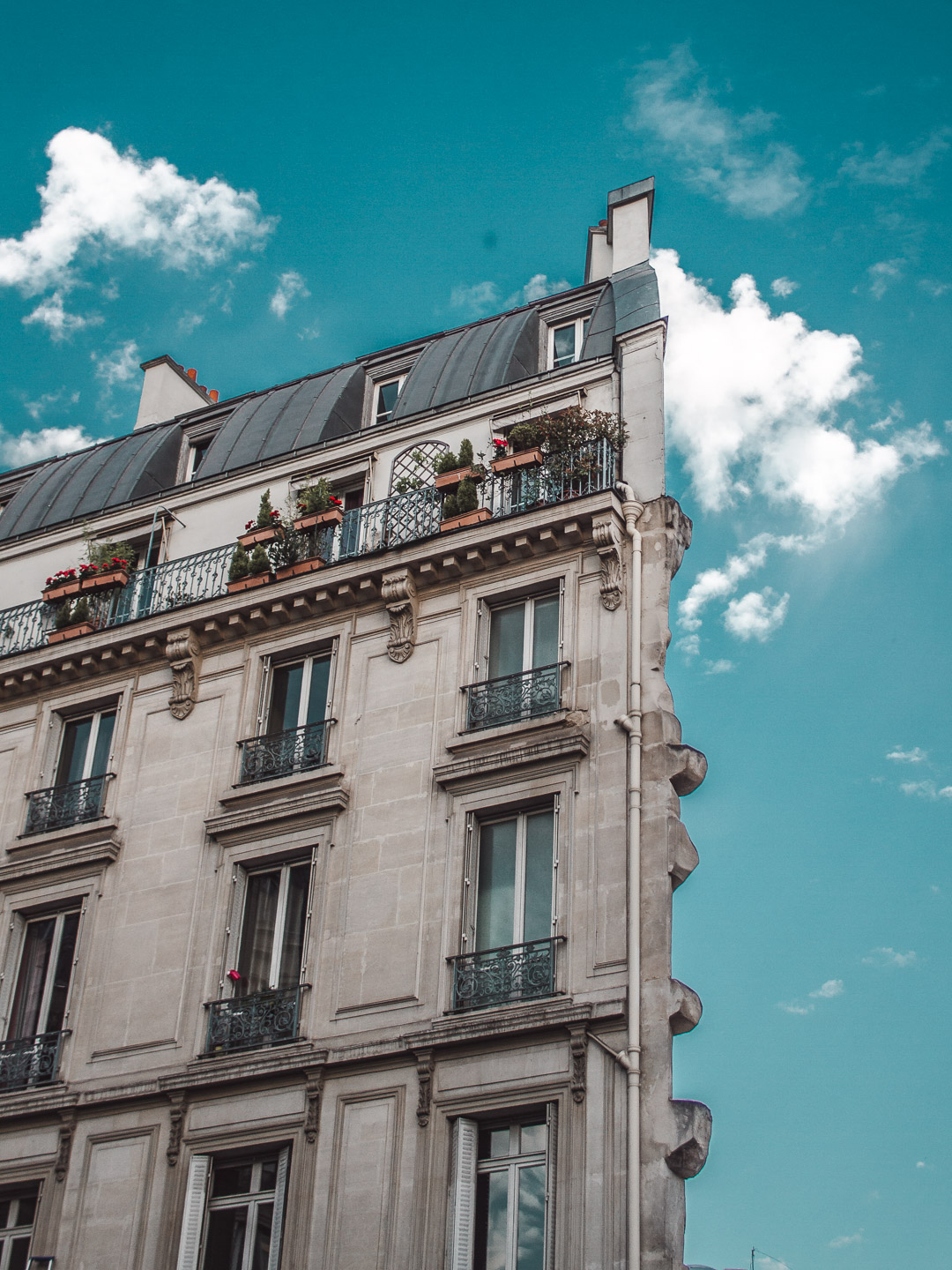
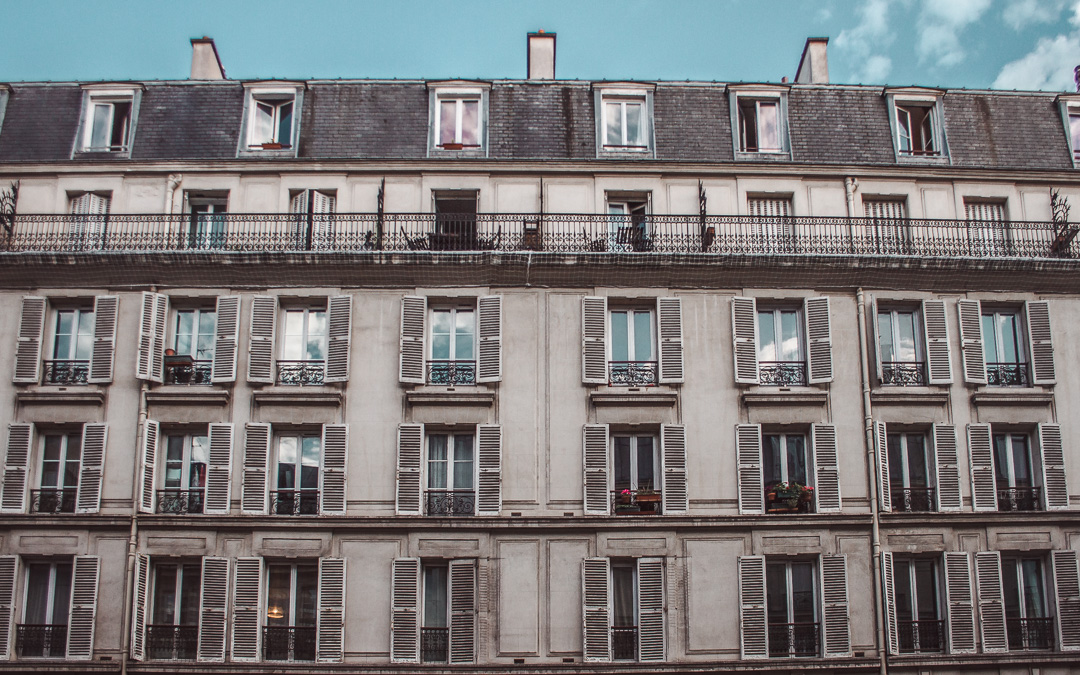
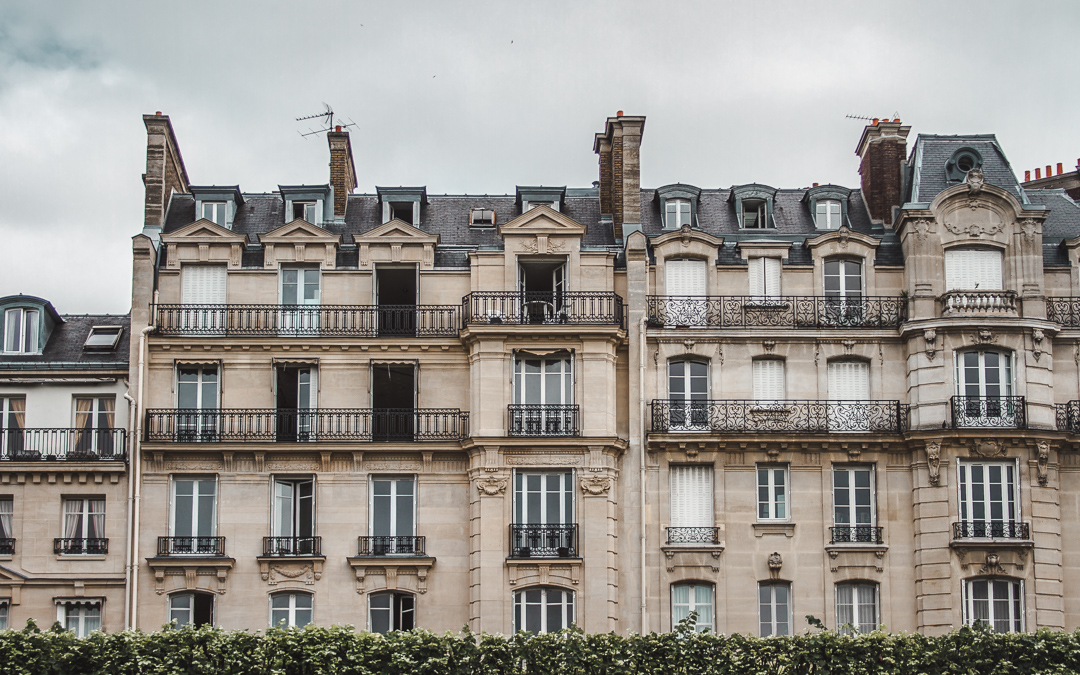
In the mid 19th century, Paris was suffocating in the cramped network of its ancient streets. Until then, the city had expanded by developing its outer districts without any careful consideration. It fell to Georges-Eugène Haussmann, who was appointed Prefect of the Seine by Emperor Napoléon III to implement an overall plan to rejuvenate the French capital. In 1860, areas on the periphery were annexed, making Paris a city of 20 districts instead of 12. Swiftly put into action, this vast urban redevelopment plan entailed the demolition of many buildings, and changed the face of the city we see today.

paris france Georges-Eugène Haussmann

[separator type="thin"]

Georges-Eugène Haussmann Paris Renovation

[separator type="thin"]

paris france Georges-Eugène Haussmann

The new, broad avenues crossing the city were lined with buildings that had to comply with certain regulations regarding their construction (use of stone, discreet decoration, alignment) ensuring the visual unity of the city. Intended as a response to the needs of a changing society, the new public buildings created monumental vistas, giving the illusion of stage set, complete with landscaping and green spaces. Admired for its harmonious aspect and the speed with which it was completed, Haussmann’s Paris subsequently became an international model of urban planning. (SOURCE)

In the 19th century, the development of archeological research and research expeditions brought a new body of historical knowledge to the attention of architects. France's rediscovery of national history and its monuments was supported by Louis-Phillipe's regime, keen to unite the nation around a shared past. To this end, he created a general inspectorate of Historic Monuments in 1830 to oversee the restoration of the great medieval buildings of France. These buildings became a new source of inspiration legitimised by French history, while the study of the ogee arch led Viollet-le-Duc and his students to adopt a new approach in their use of materials, especially metal and reinforced concrete.

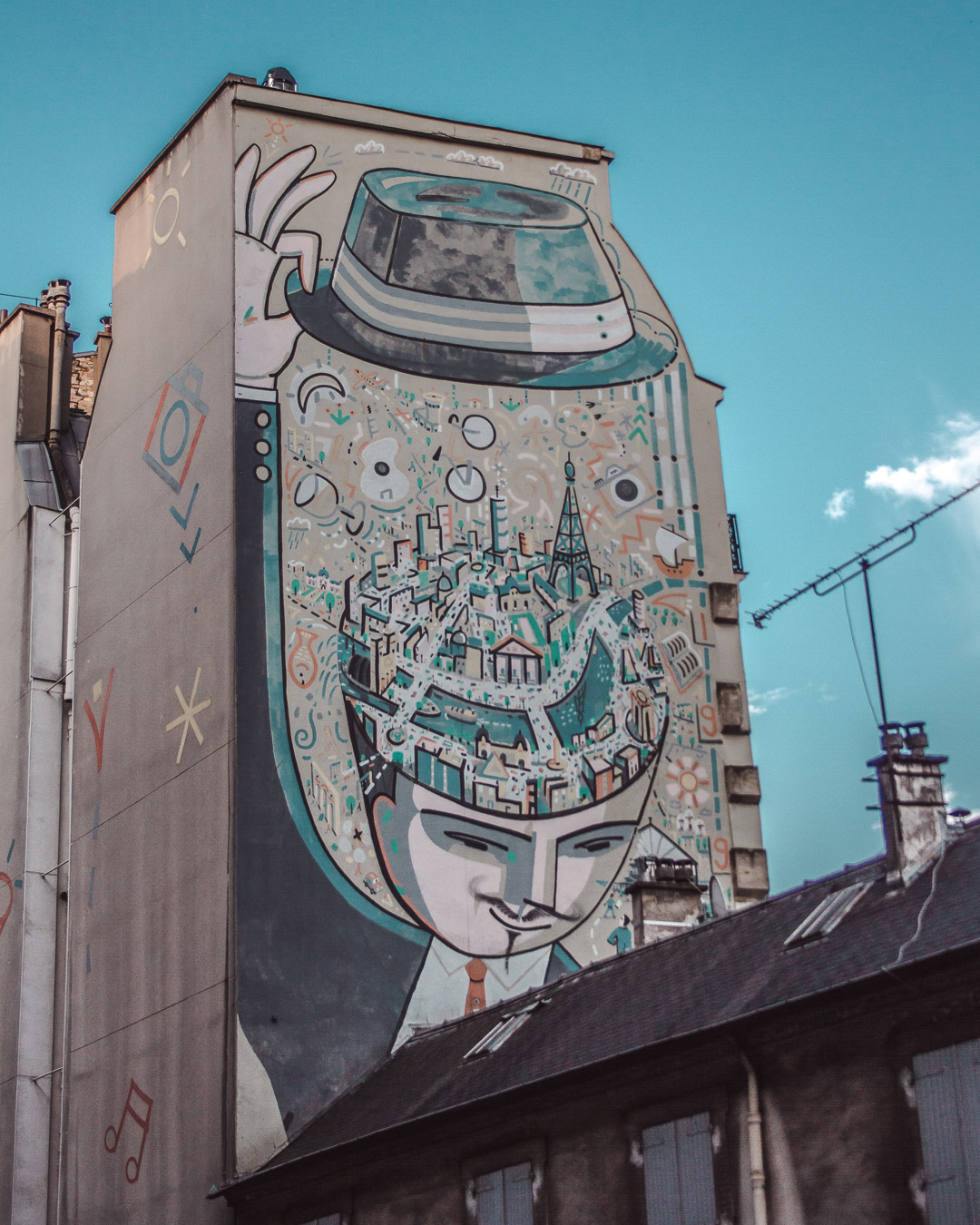
paris street art graffitiArchitects also sought to move beyond pastiche by drawing on a number of references, displaying an eclecticism at once stylistic and theoretical. Far from being a constraint, historical models opened the way to modernity for 19th century architects: influenced by contemporary schools of thought, their projects took inspiration from a history that was no longer seen as an ideal but as a modern view of the development of mankind.

The ancient significance of architecture can't be understated as from the beginning of time human cultures wrote their thoughts using rocks. Words were made by superimposing stone upon stone. The Celtic dolman and cromlech, the Etruscan tumulus, the Hebrew galgal are words which eventually made sentences and books. These eventually expanded into symbols and finally structures we see around us today.

paris france Georges-Eugène Haussmann

Architecture developed side by side with human thought. This is reflected by great styles that define each era as well as the political and social revolutions that shaped the course of history. Locked into the walls of these temples, palaces or churches were ideals that launched a civilisation into the future confident that only serious natural disasters or social upheavals could stop them from existing.

The invention of the printing press changed everything. Books (and by that extension magazines and blogs of today) are a much more durable way of storing information. They cost much less to produce, could be copied and sent around the world (think of this as ancient texting). It's no surprise then that the rise of the printing press mirrors the decline of architecture as the dominant aesthetic form. (SOURCE: NERDWRITER)

paris france architecture

[separator type="thin"]

Art of Solitude

[separator type="thin"]

paris park

[columns_row width="half"]
[column]

paris park france[/column]
[column]

Like the Romantic painters, 19th century architects in France saw nature as a refuge from the effects of the Industrial Revolution. While the development of green spaces in the towns and the growth of holiday resorts offered alternatives to urban expansion and its, at times, anarchic developments, the natural world became a new source of inspiration that allowed architects to break free from references to historic styles. From the mid 19th century, the study of plants encouraged the revival of ornamentation; at the end of the century, trees, flowers, insects and animals would provide a source of inspiration for the artists of the 'New Art' or Art Nouveau. The development of natural sciences and geology, and research into the evolution of species, also led to changes in architectural thinking, as much in its historical and theoretical aspects as in technical and construction terms.

[separator type="thin"]

Further Reading

[separator type="thin"]

History of Paris

Haussmann's renovation of Paris

Romanticism

The Next Era of Architecture

Victor Hugo

Paris architecture of the Belle Époque

Concours de façades de la ville de Paris

[/column]
[/columns_row]

paris park france[separator type="thin"]

STYLEGRAM

[separator type="thin"]

Thanks for reading my latest article. If you enjoyed it why not give it a share using the links below? For more check out our latest lookbook with Bench, street style from London Collections or our trip to Rome.

paris france travel blogAs always stay classy and if you wish to be featured in one of our roundups please contact editorial@thestyledivision.com or tag your social posts with #styledivision

INSTAGRAM | TWITTER | FACEBOOK | PINTEREST

5th October 2016No Comments

Springtime Rain // Journal 87

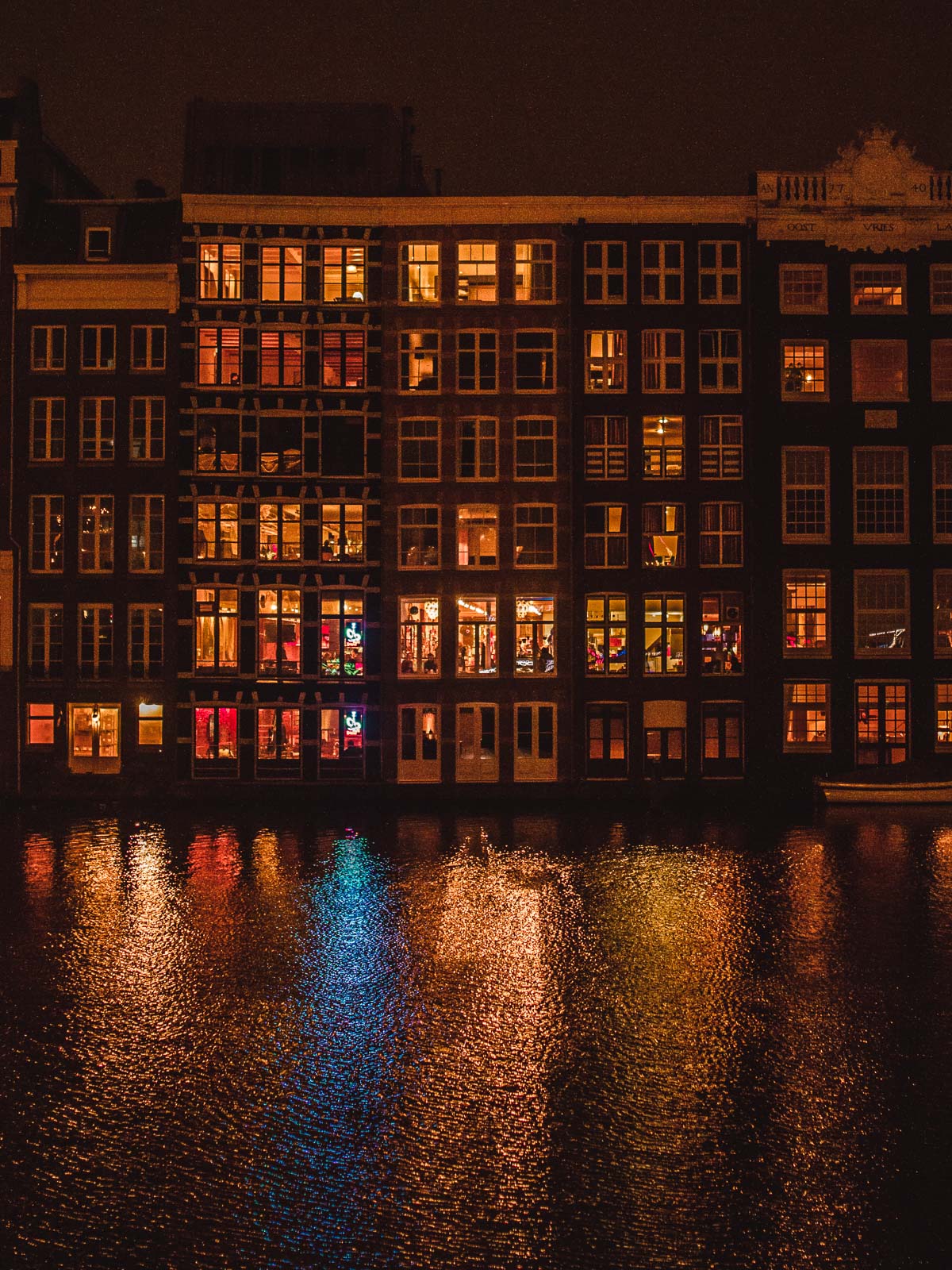
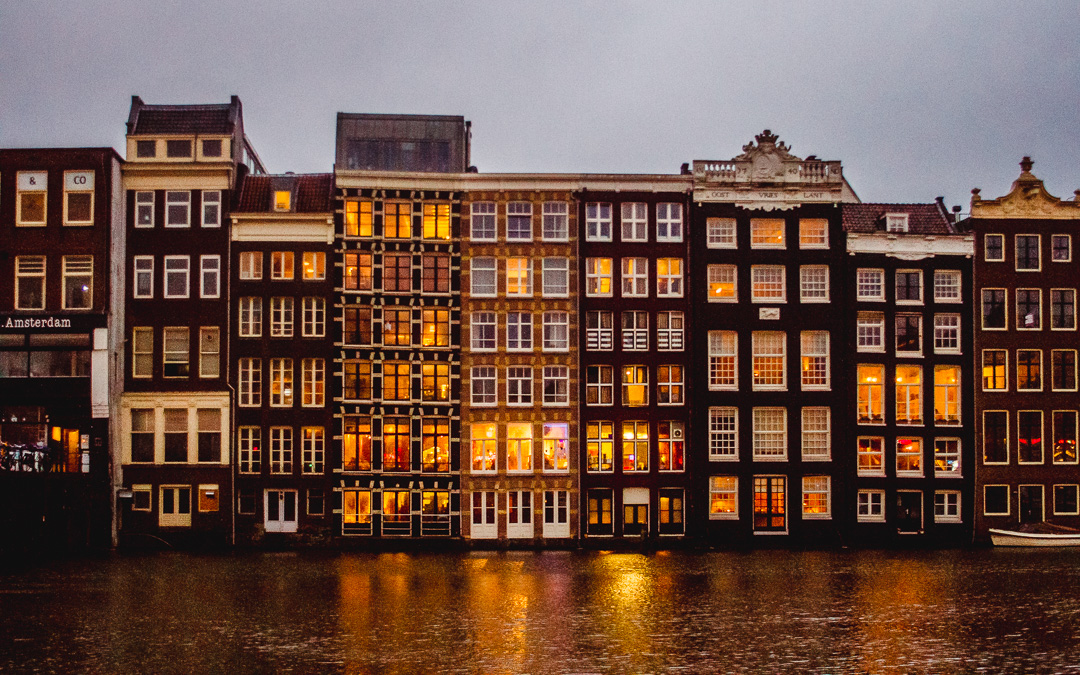
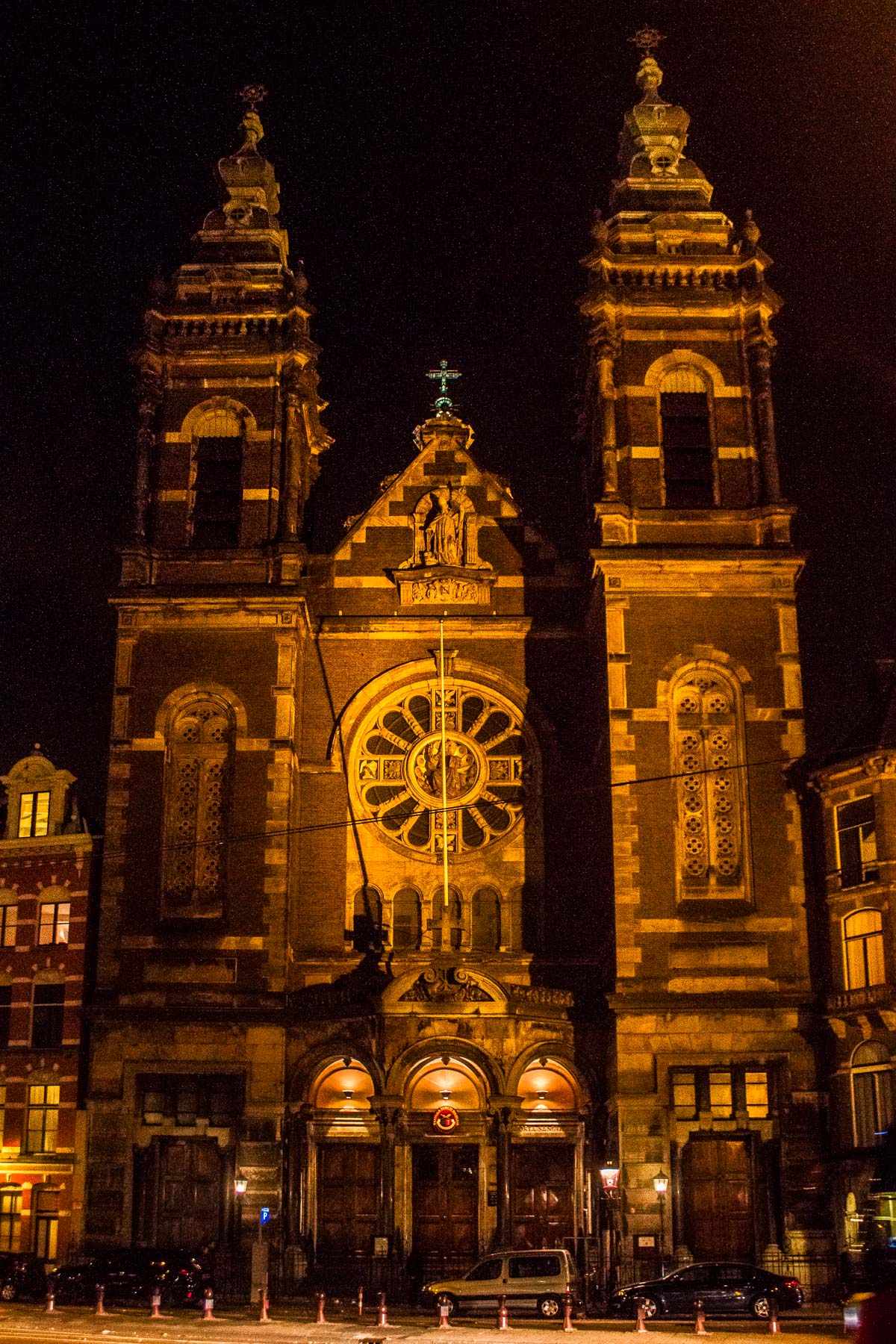
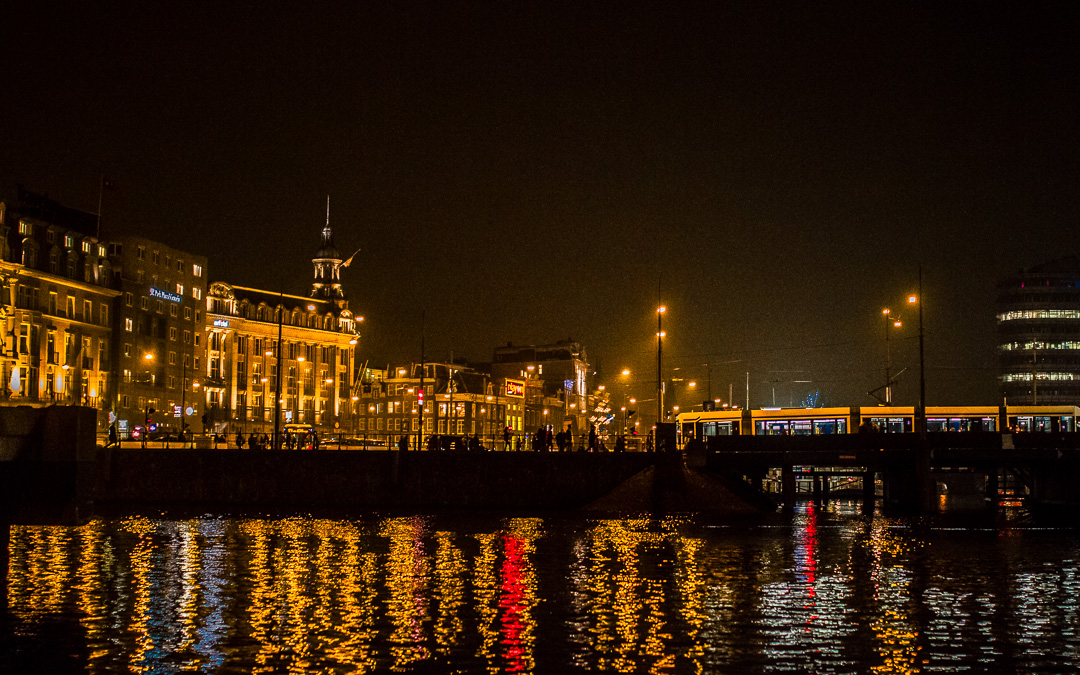
As you may have noticed from my Rome and Paris posts I love a late night wander. Like a werewolf a city can transform under moonlight and provide the backdrop for an unplanned adventure. Amsterdam was no different. From meeting homeless artists with unique creative talents to Amsterdam locals who had stories for days. Every trip into the Dutch capital provided something different. Wandering the streets at night allows you to experience the true soul of a city, away from the tried and tested tourist traps to something fleeting and momentary.

amsterdam at night[separator type="thin"]

A Mindless Wander

[separator type="thin"]

amsterdam at night

Although I had my camera with me I tried not to take too many pictures. Living in the moment is a lot easier than you think once you stop living your life through the lens of social media. Put your phone away and just enjoy the walk. I'm sure that building that caught your eye will still be there when you come back.

rain and night in amsterdam

Amsterdam is a lot like London in that the weather does whatever the hell it wants. It could go from sunny to rainy to sunny in a matter of minutes and as a photographer all you can do is embrace it. The storm I got caught up in added a golden sheen to the city and did little to dampen my spirits.

There is still so much to discover about this historic city and I cannot wait to move here for good. During my first visit the last thing on my ind was relocating here and yet its natural charm won me over. If you're an Amsterdam local please get in touch as I would love to learn more about your city and your experiences living there.

amsterdam at night

We're now living in the information age and this is going to become more apparent with every waking minute. Technology has already improved so much using so little. Just look at the device you're reading this post on and realise that your ancestors would have found it indistinguishable from magic. Ironically these devices can make us feel more disconnected and lonely so its up to you to bridge that gap.

As technology improves everything from the way we work, travel, communicate and spend money you have to remember the priceless things in life. Friends and family that can make you laugh, acquaintances that inspire you to create even when you're feeling lazy and yourself. The one person that can make you truly happy.

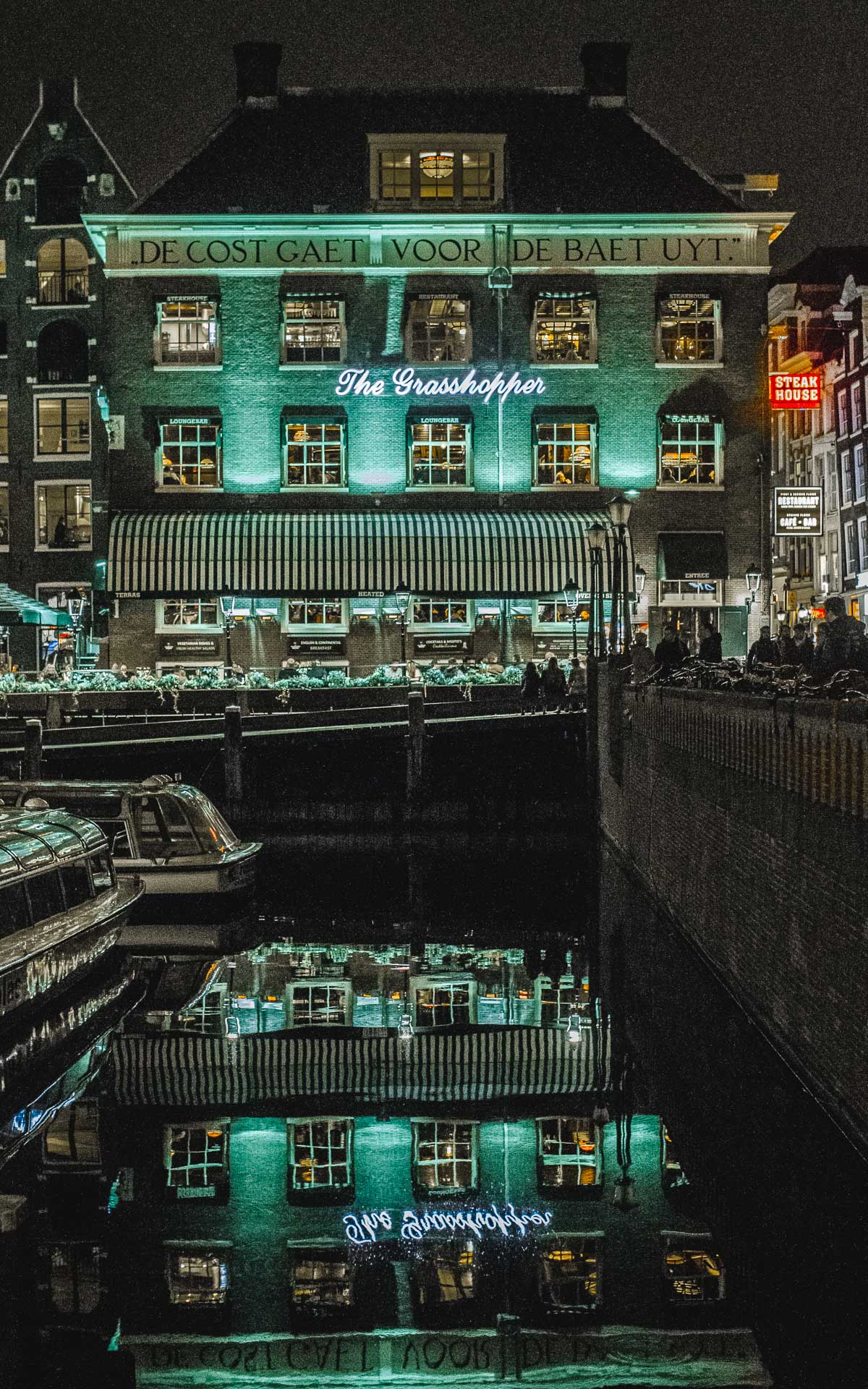
grasshopper amsterdam

Your goal for 2017 should be to surround yourself with people that challenge you. People that have a unique view of the world and are obsessed with changing the future. I never said it would be easy but the alternative is not worth contemplation. This is my challenge to you and to myself. See you in 365 days.

[separator type="thin"]

STYLEGRAM

[separator type="thin"]

Thanks for reading my latest article. Give it a share using the links below so others can enjoy it too. For more check out my latest lookbook from Paris, street style from London Collections or my trip to the magical city of Coimbra.

As always stay classy and if you have a story you wish to share please contact editorial@thestyledivision.com or tag your social posts with #DVSN

INSTAGRAM | TWITTER | FACEBOOK | PINTEREST

7th September 2016No Comments

Things To Do In London 11

My favourite thing about living in London has got be the way it constantly surprises you. Each area is a mini city with a distinct look and feel that’s constantly evolving. My job as a photographer is to capture that fleeting moment in time before the next thing comes along. In my latest ‘Things To Do’ post I explore Somerset House and Tower Bridge with my fellow partner in crime - Krissy D.

MORE: PART 1, PART 2, PART 3, PART 4, PART 5

[separator type="thin"]

Somerset House

[separator type="thin"]

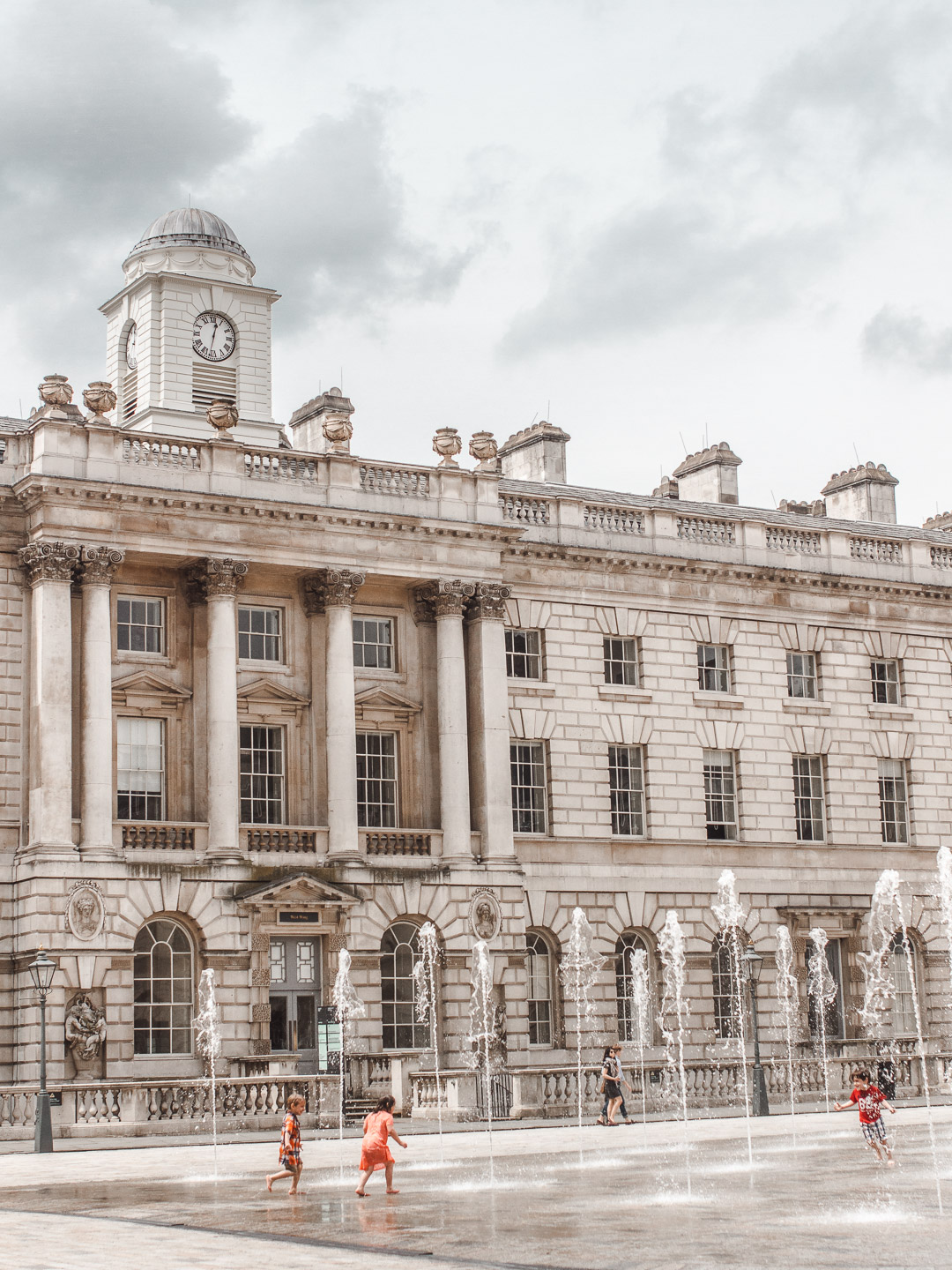
Somerset House is a large Neoclassical building situated on the south side of the Strand in central London, overlooking the River Thames, just east of Waterloo Bridge. The location has been used for a number of Hollywood blockbusters such as James Bond and Sherlock Holmes while up until recently the street style for London Fashion Week was done around the area.

somerset-house-london-2

Relating back to the theme of surprises, Somerset House is home to one of the worlds most famous staircases - The Nelson Stair. The Nelson Stair was designed by Sir William Chambers and sweeps over six floors in the southern part of Somerset House. It's hard not to find the entire design truly beautiful and one that has stood the test of time considering it was originally built in 1789.

[separator type="thin"]

Tower Bridge

[separator type="thin"]

tower bridge museum london

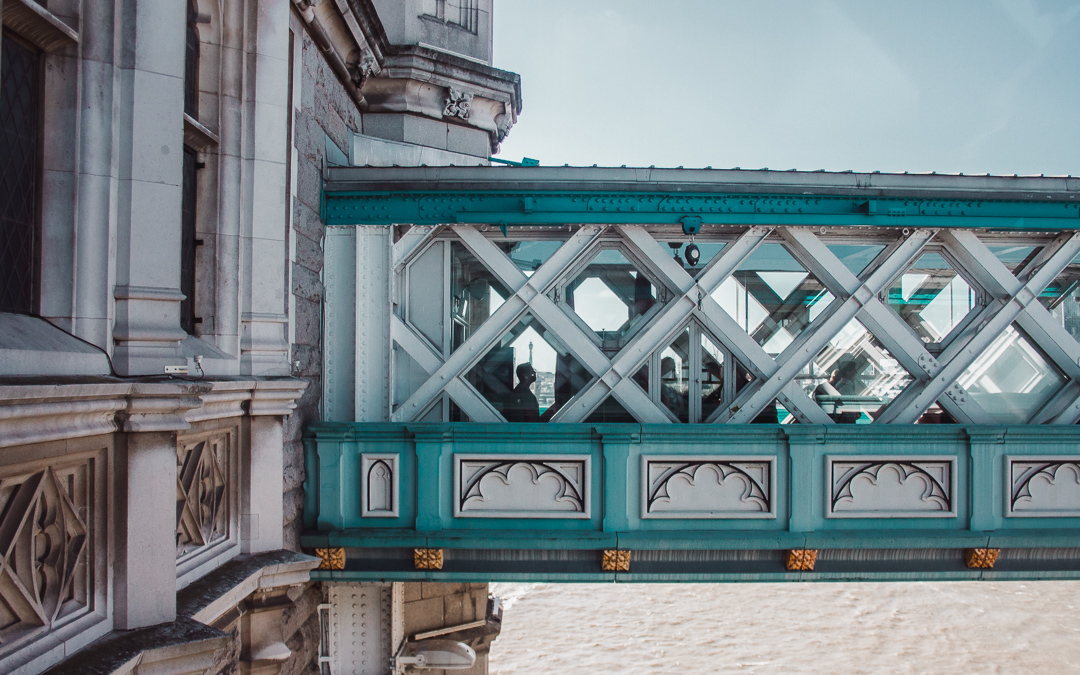
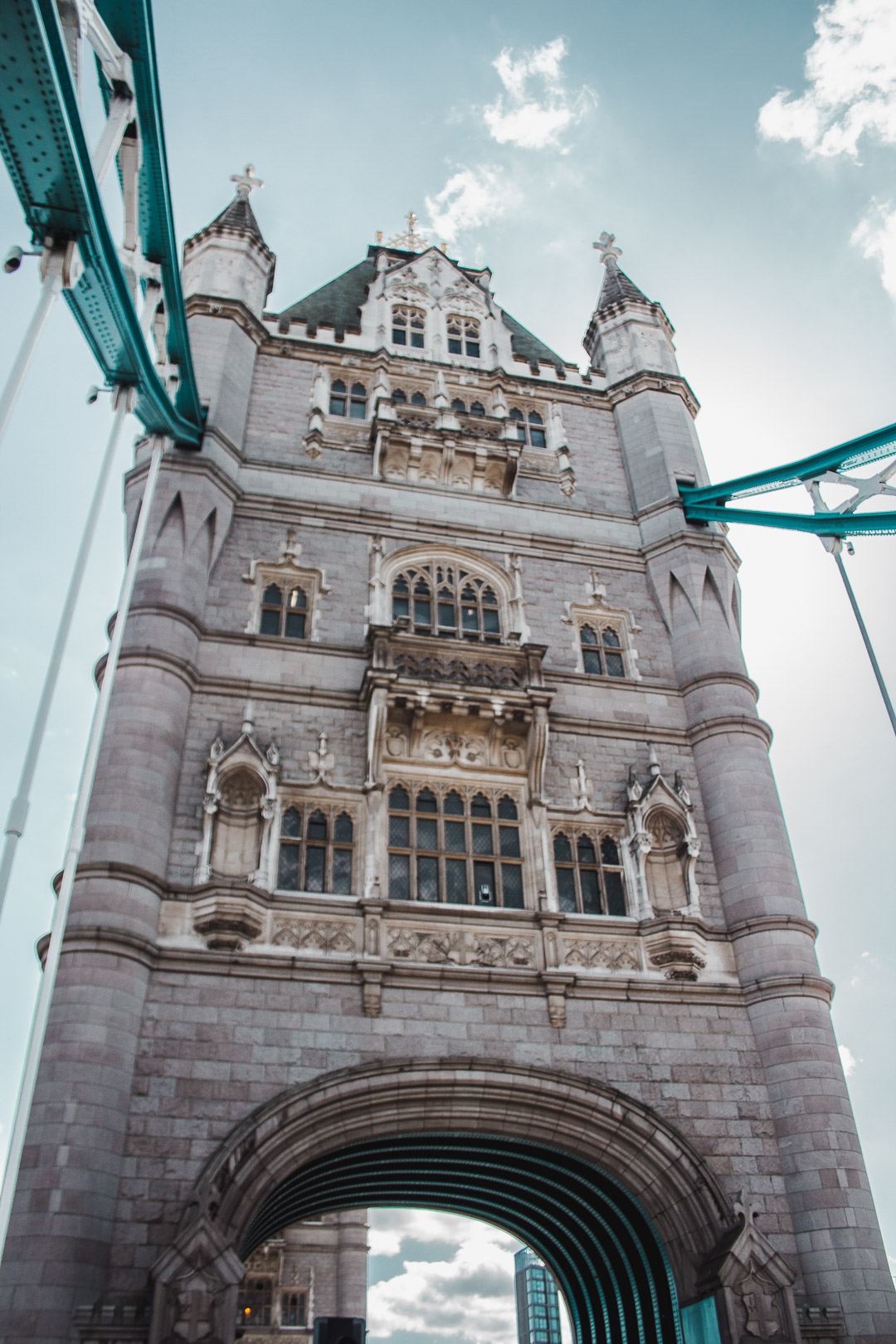
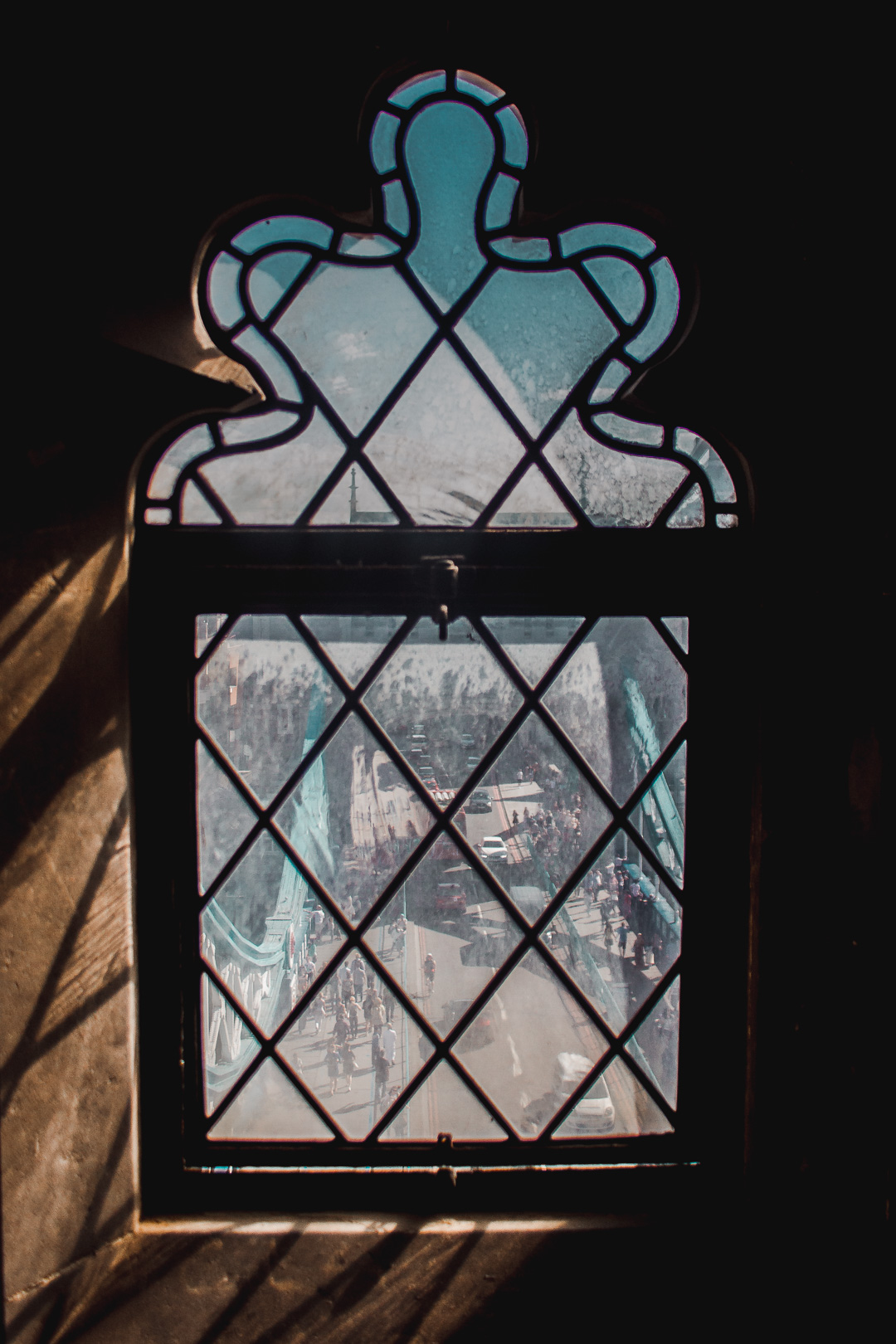
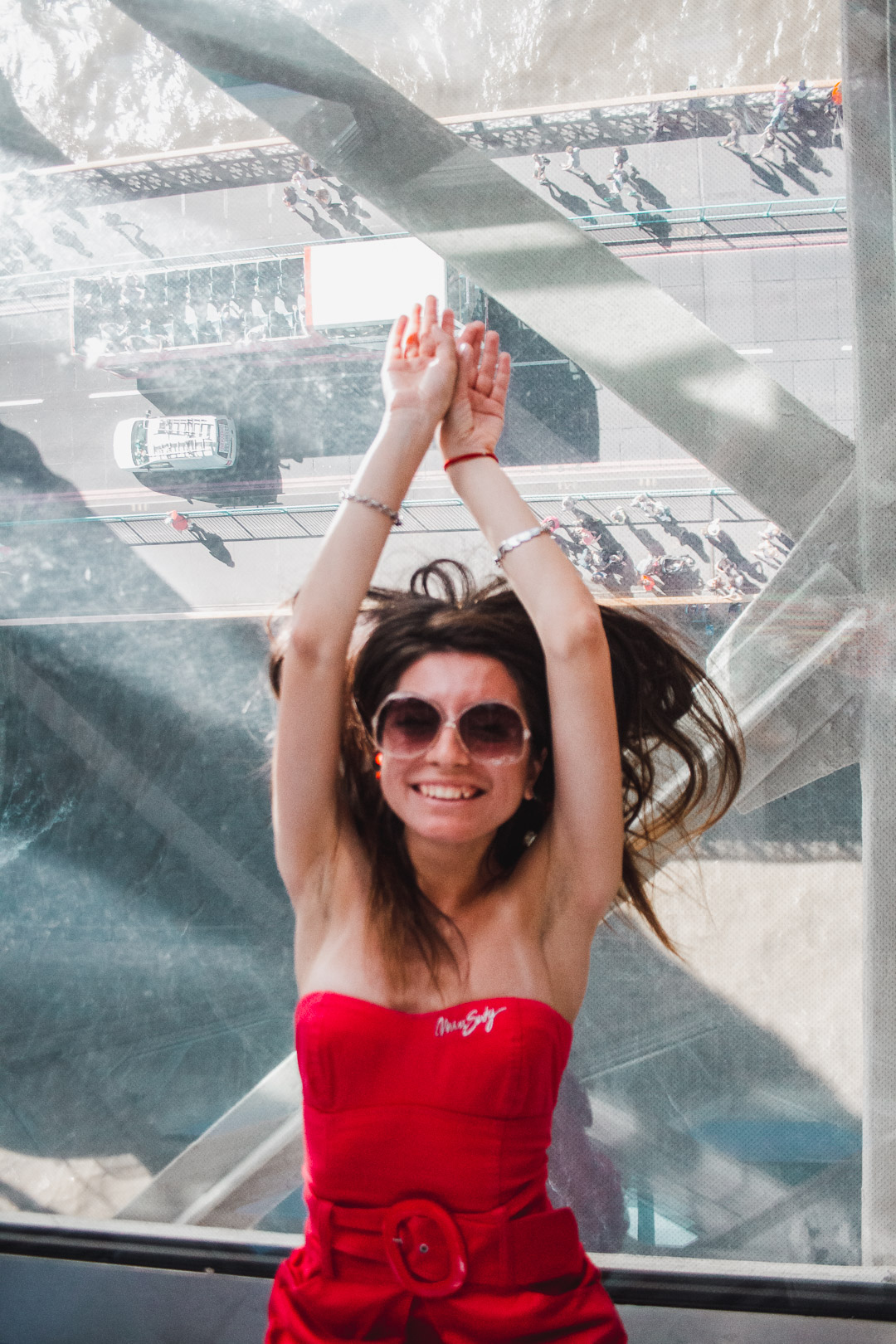
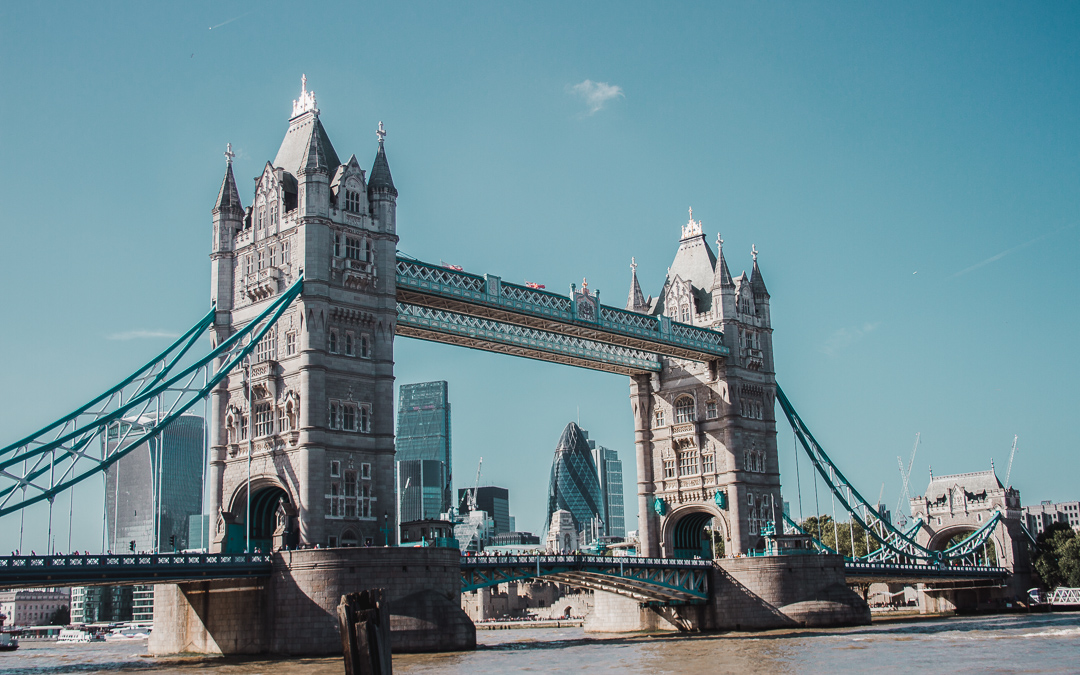
I've lived next to Tower Bridge for the best part of a year now so it came as a huge surprise to find out that it's open to the public. Not only that but there's a see through floor you can walk on which is ideal if you want to get over your fear of heights. Worth noting that The Shard, Borough Market, Shad Thames, Tower of London as well as Port of London Authority Building are all within walking distance so make sure to plan your trip accordingly.

[columns_row width="half"]
[column]

tower bridge london

tower bridge museum london[/column]
[column]

see through floor tower bridge

Should you choose to visit Tower Bridge you can learn more about its history and catch some amazing views over the city. If you're into engineering you can also visit the old engine rooms, with the original steam engines and find out how witchcraft raises the bascules over 1,000 a year without breaking.

I talked about Tower Bridge in one of my previous lookbooks as for me it's more than an iconic London landmark. It's a reminder that you have to keep fighting for what you believe in. The bridge received a lot of criticism when it was constructed back in 1894 which only goes to show that no matter how good the work, you'll always have your critics.

If you visit Tower Bridge make sure to explore the districts of Tower Hamlets (north side) and Southwark (south side) in their entirety as you never know what our capital may have in store for you.

[/column]
[/columns_row]

[separator type="thin"]

Thanks for reading our latest article. If you enjoyed what you read why not give it a share using the links below? For more fashion posts check out our latest lookbook with Bench, street style from London Collections or our trip to Rome.

tower-bridge-london-explore-8As always stay classy and if you wish to be featured in one of our roundups please contact editorial@thestyledivision.com or tag your social posts with #styledivision
INSTAGRAM | TWITTER | FACEBOOK | PINTEREST

7th September 2016No Comments

Things To Do In London 10

There's a famous saying in Eastern Europe that goes "the only thing that’s free is cheese in a mousetrap". Although I understand the sentiment I would have to disagree as some of my most treasured memories didn’t cost a penny. I hope you’ve been enjoying my ‘Things To Do’ series so here are a few more ideas that may inspire you and not break the bank.

MORE: PART 1, PART 2, PART 3, PART 4, PART 5

[separator type="thin"]

Tate Britain

[separator type="thin"]

tate britain london

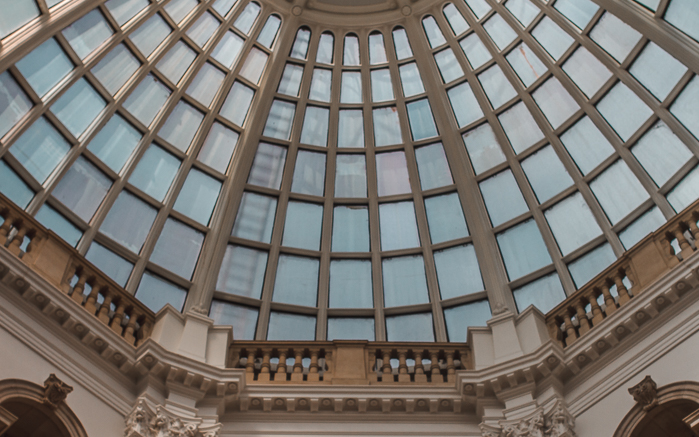
Tate Britain (also known as National Gallery of British Art and the Tate Gallery) is an art museum on Millbank in London. It is part of the Tate network of galleries in England, with Tate Modern (below), Tate Liverpool and Tate St Ives. Tate Britain houses a permanent collection of historic British art, including original paintings by the likes of William Blake and J. M. W. Turner.

The doors are always open to the public and with exhibitions curated every month I would say Tate Britain is a must visit. Visiting a gallery can be one of the best ways to get creatively unstuck as seeing a beautiful piece of art might just be the inspiration you need to create one of your own.

[separator type="thin"]

Tate Modern

[separator type="thin"]

tate modern gallery

[columns_row width="half"]
[column]

tate modern gallery[/column]
[column]

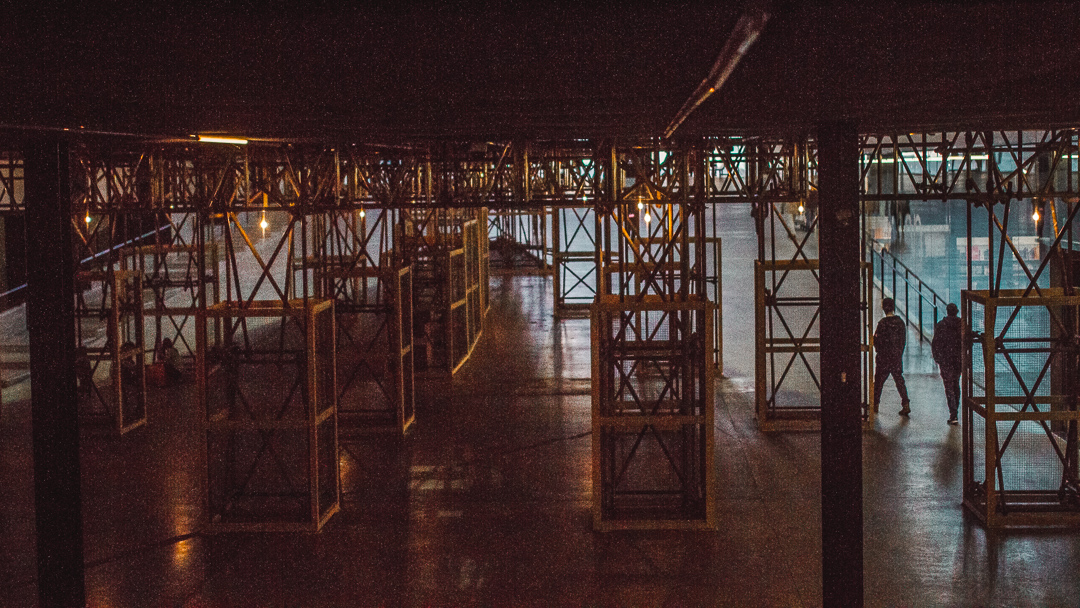
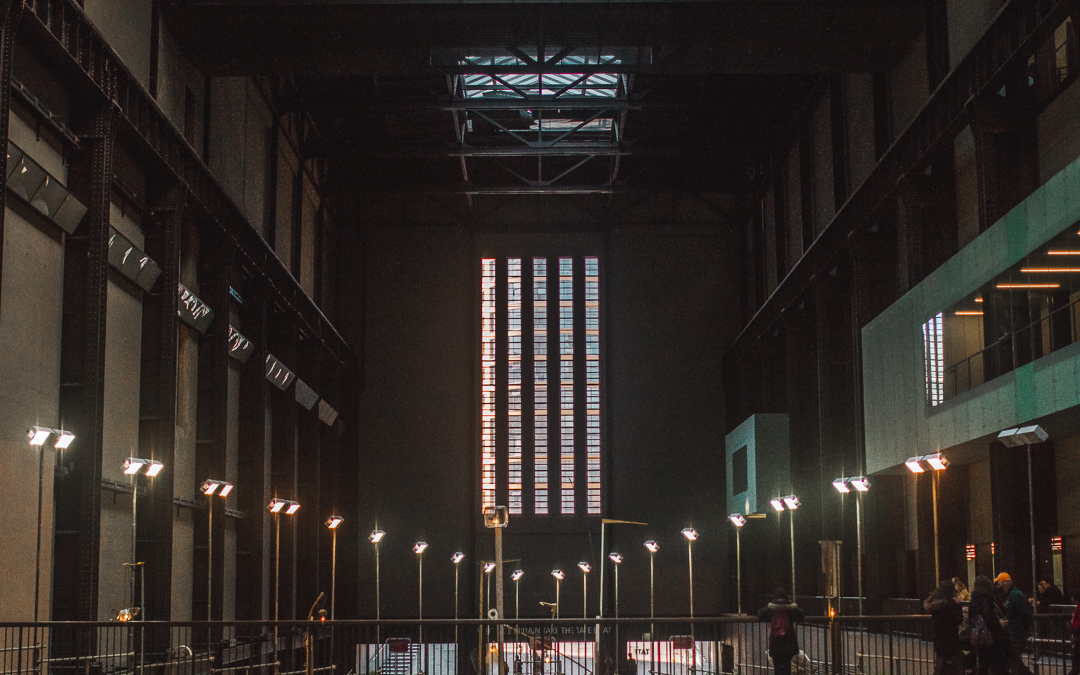
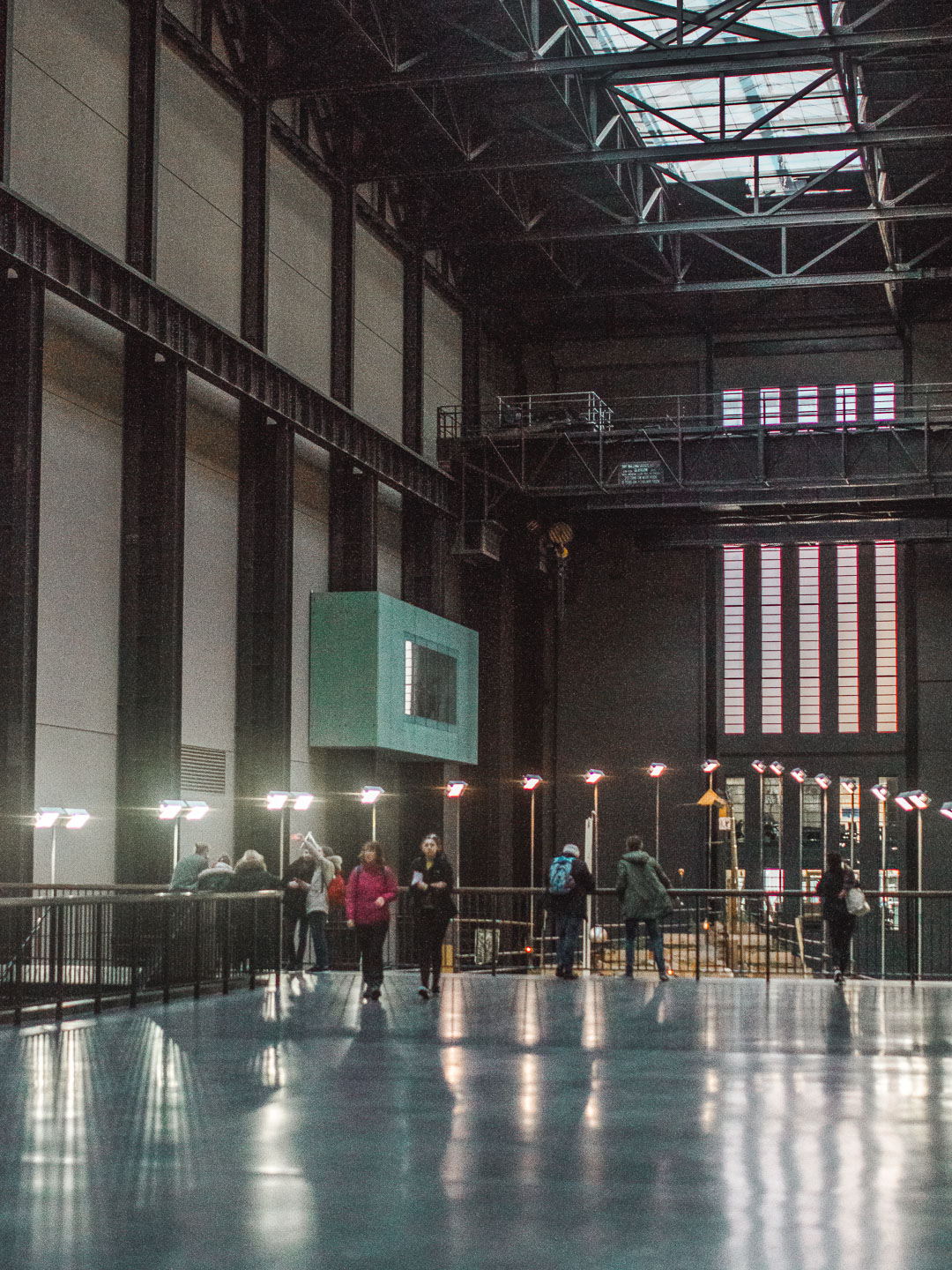
The sister museum to Tate Britain is our very own Tate Modern. Tate Modern is one of the largest museums of modern and contemporary art in the world. It houses the national collection of British art from 1900 to the present day as well as international and contemporary art.

Based in the former Bankside Power Station, in the Borough of Southwark, Tate Modern has been home to some truly unique installations because of it’s industrial size. ‘The Weather Project’ by Ólafur Elíasson and ‘EMBANKMENTby Rachel Whiteread are forever engrained in my memory because of the way they utilised the space on offer.

LEARN MORE

[/column]
[/columns_row]

tate-modern-london-gallery-4

[separator type="thin"]

St James's Park

[separator type="thin"]

st james park london

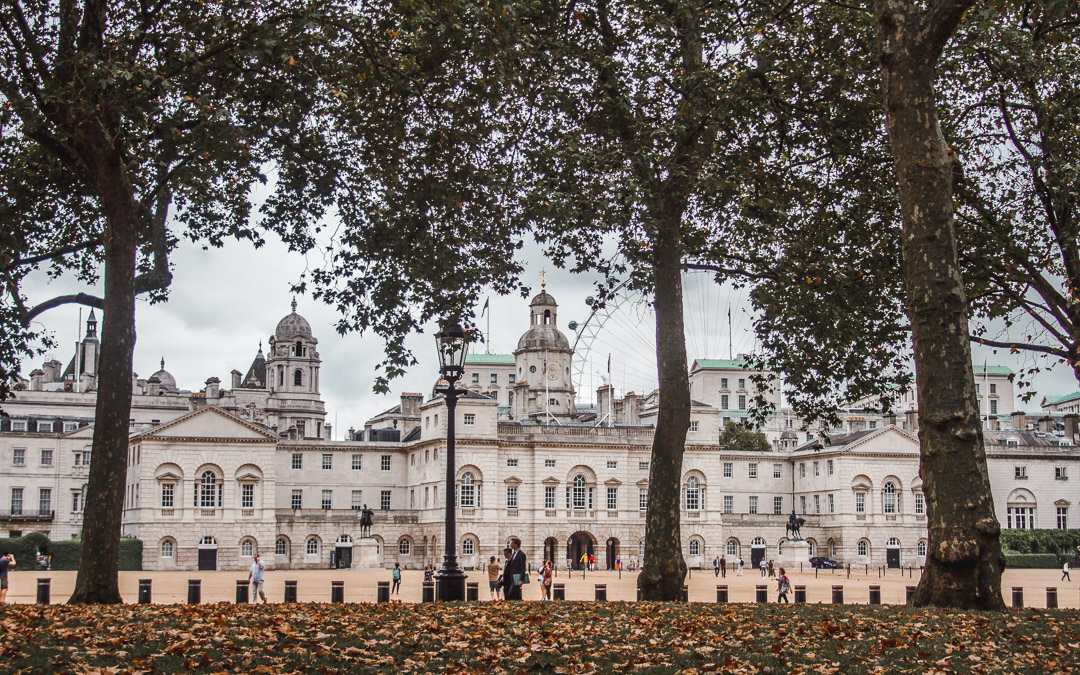
In my photography journal from Rome I talked about the importance of a good walk and that having one can really set you up for the day ahead. If the chance arises take a stroll through a park, appreciate the fresh air (it’s a luxury in London!) and try to switch off. When was the last time you picked up a book and had some me-time? If the answer is “I don’t remember” then you know what you gotta do.

St James's park stretches for 23 hectares and is a perfect place to waste an afternoon. You’re also walking distance from Oxford Street, Buckingham Palace, Trafalgar Square and Big Ben so make sure to brush up on your history if you’re feeling restless.

[separator type="thin"]

Thanks for reading our latest article. If you enjoyed what you read why not give it a share using the links below? For more fashion posts check out our latest lookbook with Bench, street style from London Collections or our trip to Rome.

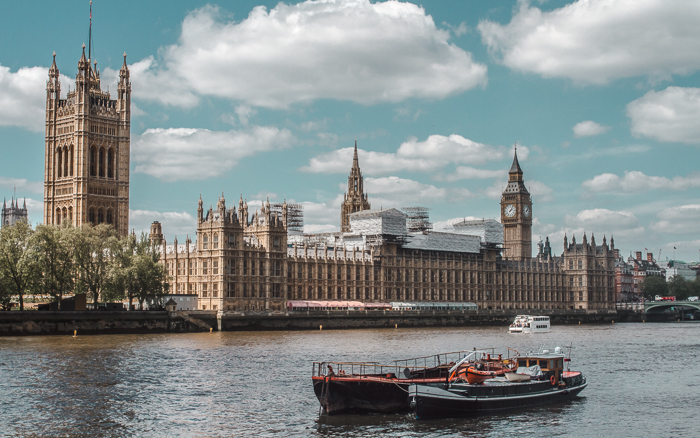
houses of westminster londonAs always stay classy and if you wish to be featured in one of our roundups please contact editorial@thestyledivision.com or tag your social posts with #styledivision
INSTAGRAM | TWITTER | FACEBOOK | PINTEREST

6th September 2016No Comments

Things To Do In London 9

We keep telling ourselves “So much to do, so little time” but is that really true? There’s only so much one can accomplish before feeling drained or dejected by the possibility of another busy day. Living in a huge city such as London or New York may mean infinite possibilities as cool things are only few stops away but without careful planning a day can be over before it’s even begun. This is why we’ve put together a handy list of things to do next time you’re feeling restless.

MORE: PART 1, PART 2, PART 3, PART 4, PART 5

[separator type="thin"]

The British Library

[separator type="thin"]

british library

Right next to Kings Cross station we have the jaw dropping British Library. As you enter the building you may be overwhelmed by the sheer size of the wall of books on display. It really puts the wealth of human knowledge into perspective while giving you a little motivational punch. Next time you’re struggling to complete that essay come here and try to imagine the millions of hours of hard work that were dedicated by students and academics to make it all possible.

Might sound geeky but a library is a great place to go if you need to be productive. There’s little to distract you while the quiet atmosphere ensures you keep your head down. Motivation and creativity tend to come in bursts so make sure you’re in the right environment to take advantage of this.

[separator type="thin"]

Stanley Kubrick Exhibition

[separator type="thin"]

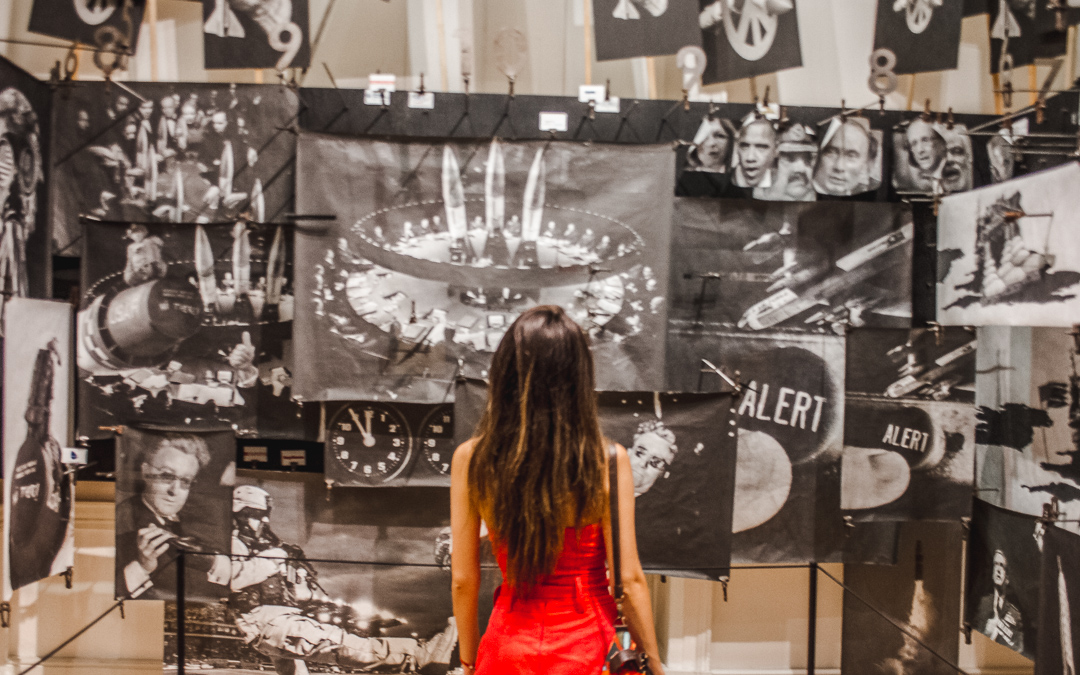
stanley kubrick dr strangelove exhibition

Expand your mind by visiting a gallery, exhibition or open space. A well designed exhibition will allow you to step inside the mind of the curator and hopefully learn more about the subject at hand. On this occasion Krissy from Interlaced and I went to the ‘Dreaming Kubrick’ exhibition which was curated by Mo’Wax and UNKLE founder, artist and musician James Lavelle.

The exhibition featured a host of contemporary artists, film makers and musicians showcasing works inspired by Stanley Kubrick. Even though he passed away over 15 years ago it's amazing to see the influence his films have had on so many aspects of our daily lives. If you're sitting there right now thinking about a new film to watch then 'Dr Strangelove' gets my vote. Seriously, give it a watch. You won't regret it.

[separator type="thin"]

Home Sweet Home

[separator type="thin"]

house of balloons aldgate-2

[columns_row width="half"]
[column]

philpot st london[/column]
[column]

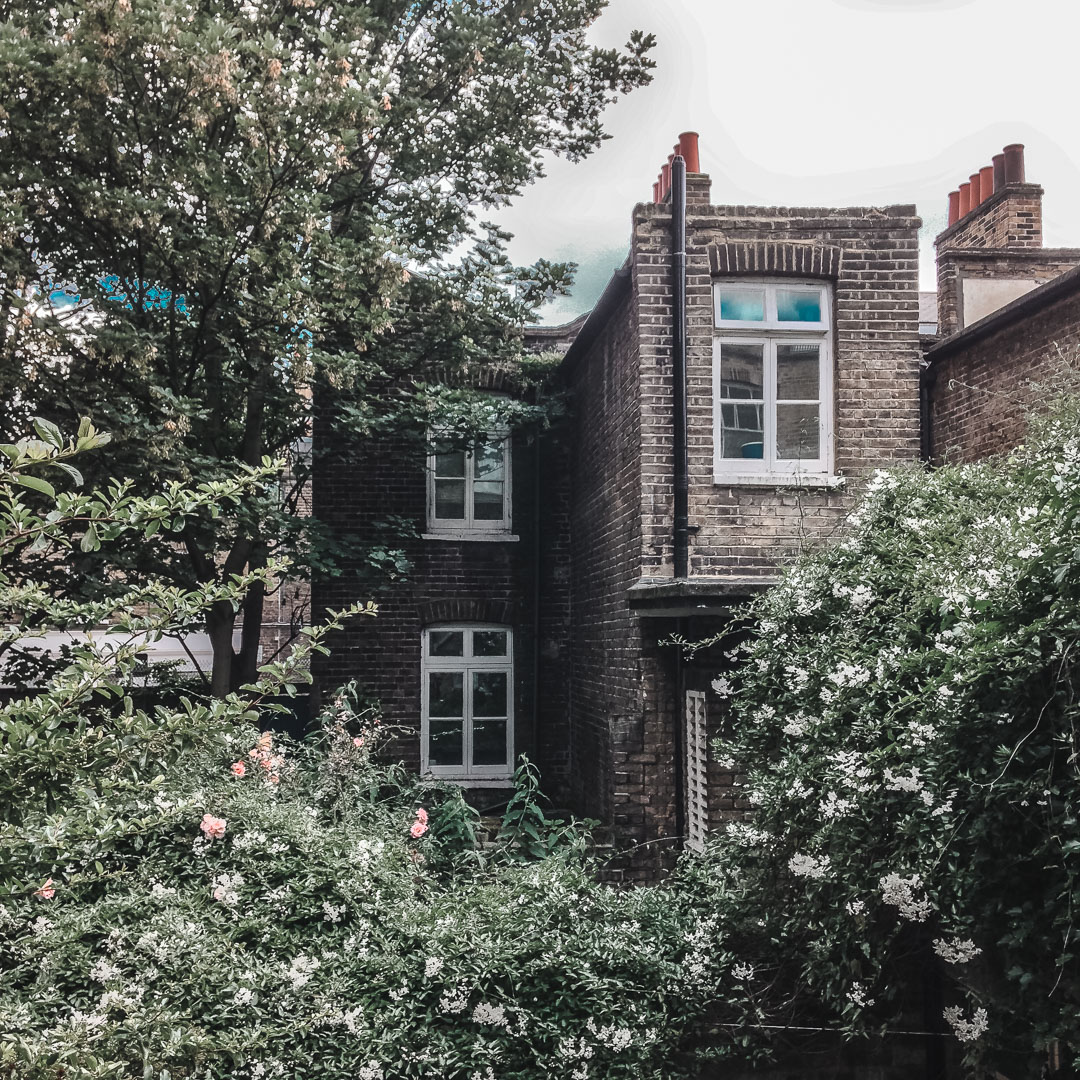
They say "home is where the wifi is" and sometimes there's nothing better than putting your feet up after a long day at work, grabbing a glass of red, playing some online bingo on trustworthy sites like Luckypantsbingo.com or watching your favourite series.

Cleaning your home has also been proven to reduce stress so the next time you're feeling overwhelmed put on your favourite album and minimise. You'll be surprised how little stuff you actually use day to day.

[/column]

[/columns_row]

[separator type="thin"]

Thanks for reading our latest article. If you enjoyed what you read why not give it a share using the links below? For more fashion posts check out our latest lookbook with Bench, street style from London Collections or our trip to Rome.

As always stay classy and if you wish to be featured in one of our roundups please contact editorial@thestyledivision.com or tag your social posts with #styledivision
INSTAGRAM | TWITTER | FACEBOOK | PINTEREST

ANTON DEE
+506 8361 3617
antondee@pm.me

 CLIENTS