Italy is a country that's always full of surprises so when Mike Knowles suggested a 5 day road trip it was an offer I couldn't refuse. We spent our days visiting seaside villages around Cinque Terre and the Amalfi Coast as well as historic cities such as Siena, Naples and Florence. The long drives were helped by the warm mediterranean climate, great coffee, even better food and unforgettable views. If you wish to jump directly to any of the locations please use the links below.
CINQUE TERRE // FLORENCE & SIENA // NAPLES // AMALFI COAST
[separator type="thin"]
Cinque Terre
[separator type="thin"]
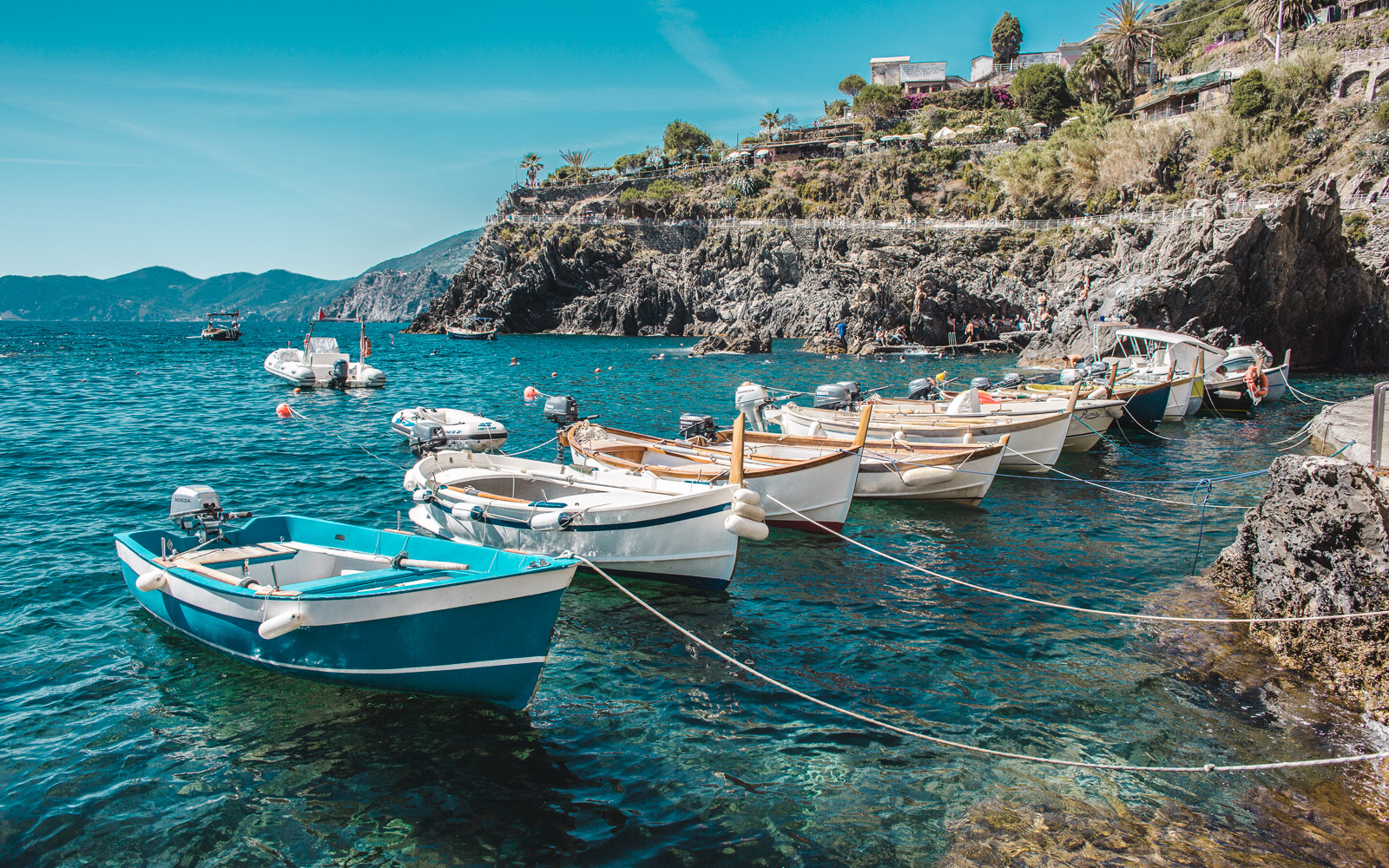
The week started in La Spezia, a town located midway between Genoa and Pisa on the Ligurian Sea. With its long military history, La Spezia is one of the more developed cities along the Italian coast and serves as a hub to the five hamlets of Cinque Terre (Monterosso, Vernazza, Corniglia, Manarola and Riomaggiore). You can visit each town by train but I would recommend buying a pass for the ferry which allows you to explore at your own pace. The surrounding area is affectionately known as 'The Gulf of Poets' as for centuries its idyllic seascapes and beaches have attracted writers and artists from all over the world.
[separator type="thin"]
Manarola
[separator type="thin"]
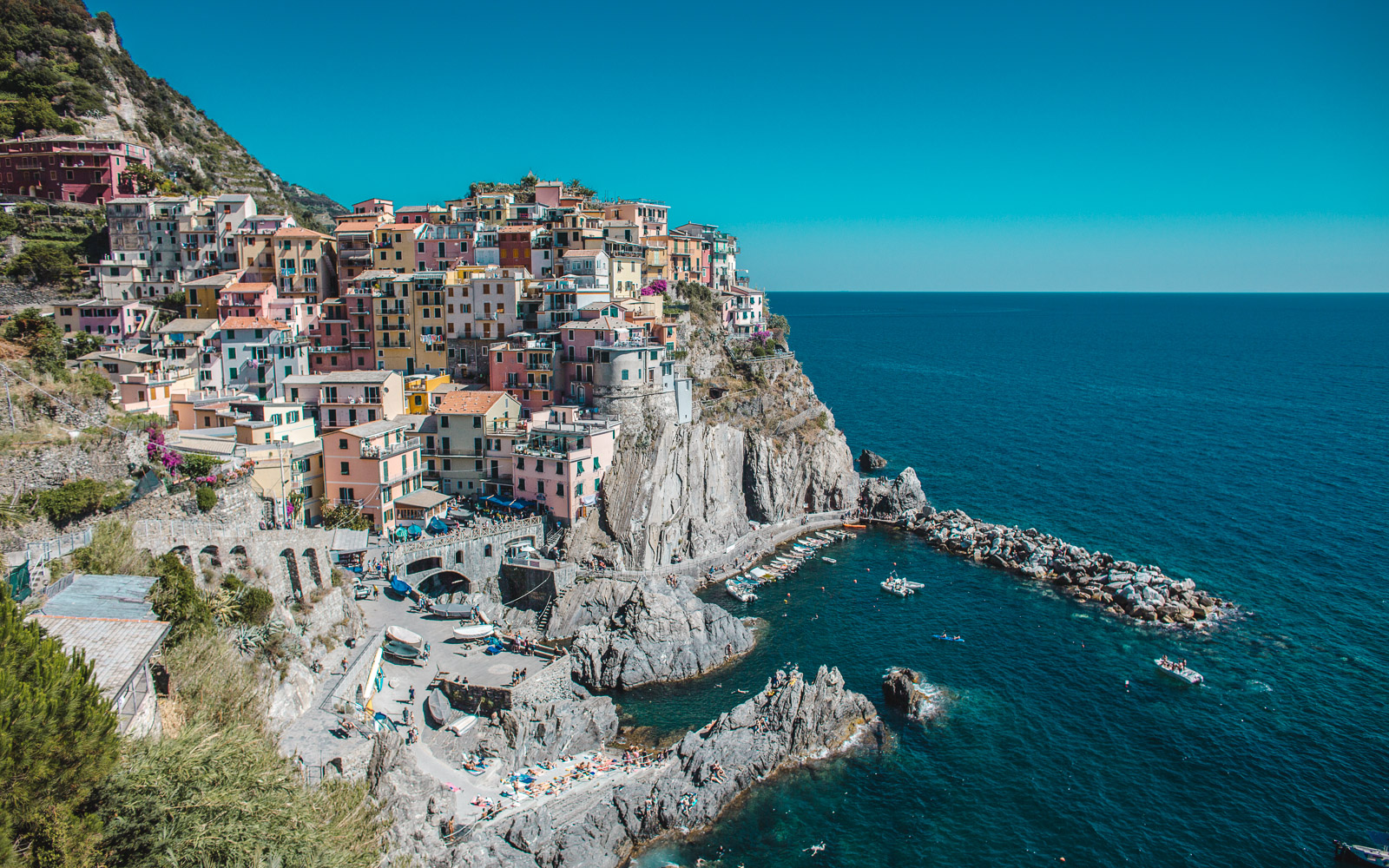
Perched on a rock outcrop are the medieval hamlets of Manarola (a name that derives from dead souls temple 'Manium Arula'). Its harbour is formed by a terraced promenade and boats hanging at the foot of the city walls. The rocky cove is popular with swimmers and divers alike who flock here in the scorching summer months. On the hills above you'll find terraces with vines growing on them. These are the vines of the 'Cinque Terre', a dry white wine that's sold in each village and most restaurants along the coast. The wine is purchased directly from the winemaker so make sure to grab a glass with your meal to enjoy the real taste of Italy.
[columns_row width="two-thirds-and-third"]
[column]
 [/column]
[column]
[separator type="thin"]
Vernazza
[separator type="thin"]
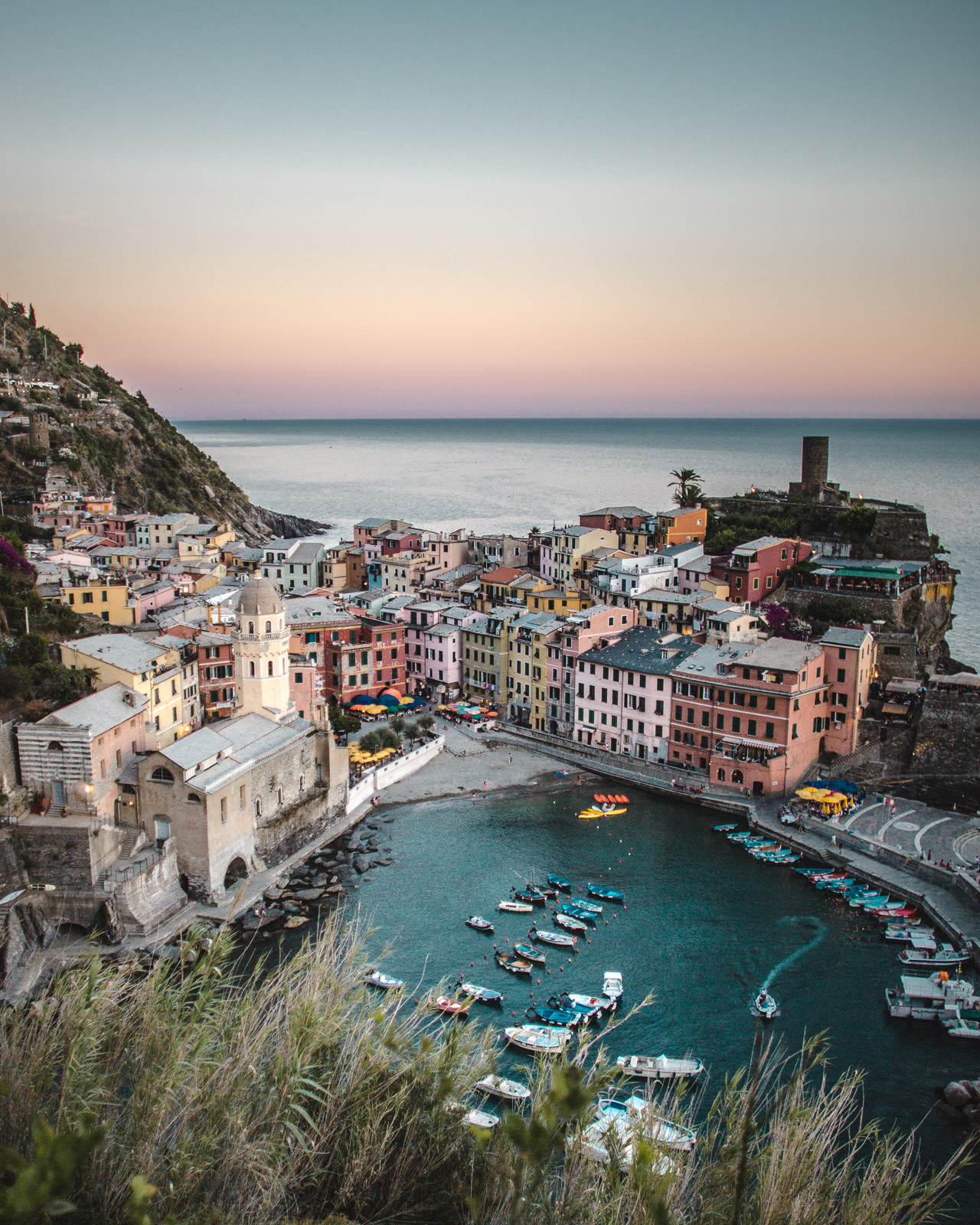
A small ferry ride later we arrived in Vernazza, a town straight out of a postcard. Vernazza has a long history as a fishing village and is the quaintest (and steepest) of the five villages on the Cinque Terre coast. Famous for its web of narrow lanes and steep stairways, Vernazza is full of little cafes as well as cosy trattorias that are open until late in the evening. Laws state that cars cannot enter the village which ensures a quiet and relaxing atmosphere for the locals and tourists alike.
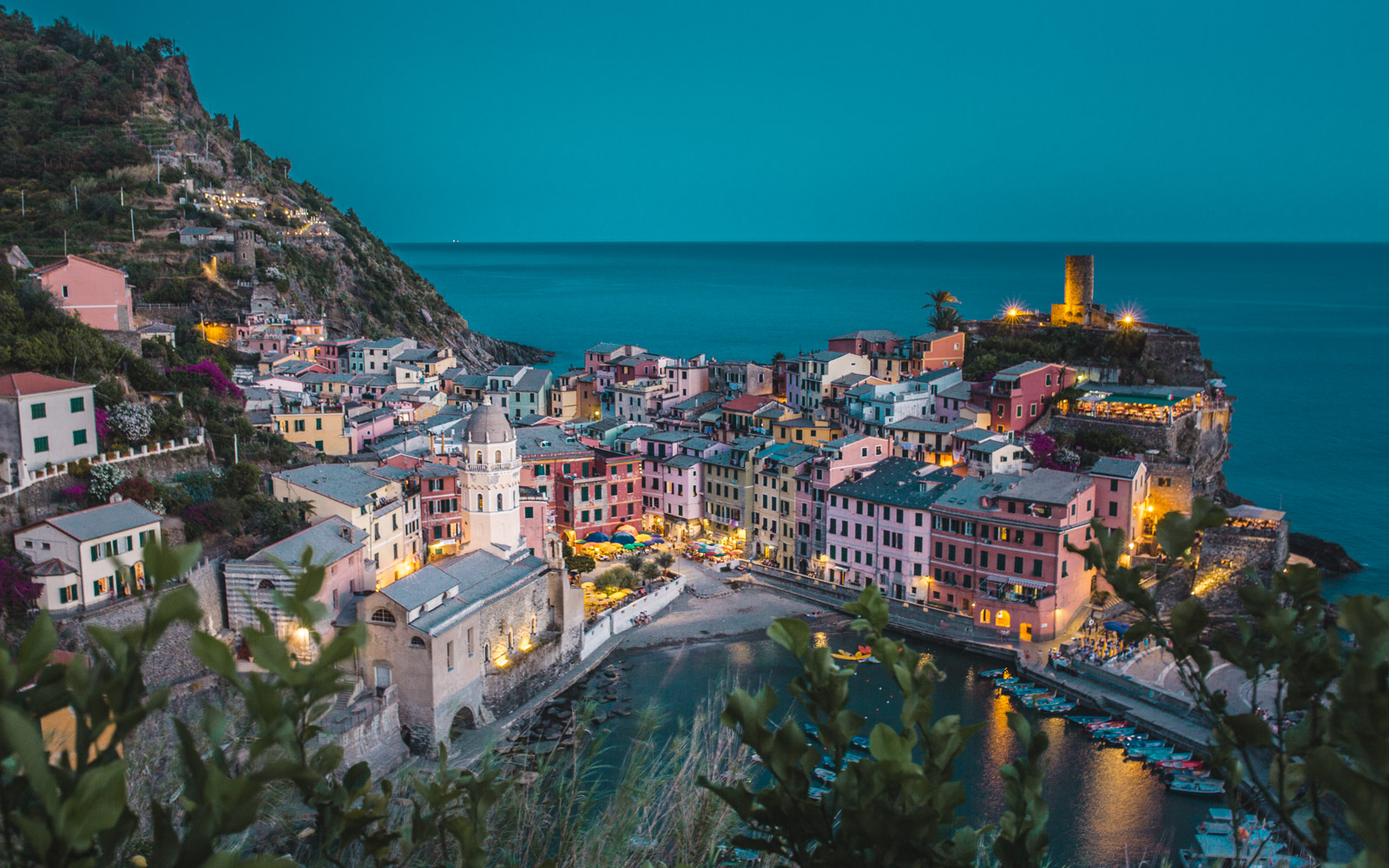
The faded pastel buildings provide the perfect backdrop for a spot of people watching. In Vernazza there's a whole generation that didn't grow up with television and so spend time posted at their windows or going for long strolls around the village. As the sun sets everything is illuminated by windows and street lights and the entire village takes on a unique aesthetic. If the weather is nice I would recommend grabbing a glass of wine, a gelato (ice-cream) or some local seafood to complete the Vernazza experience.
With its pastel coloured houses and stunning sea views at every turn it's easy to see why UNESCO turned the area of Cinque Terre into a National Park. If you're looking for a relaxing getaway I could not think of anywhere better.
[/column]
[/columns_row][separator type="thin"]
[separator type="thin"]
 [separator type="thin"]
Lerici
[separator type="thin"]
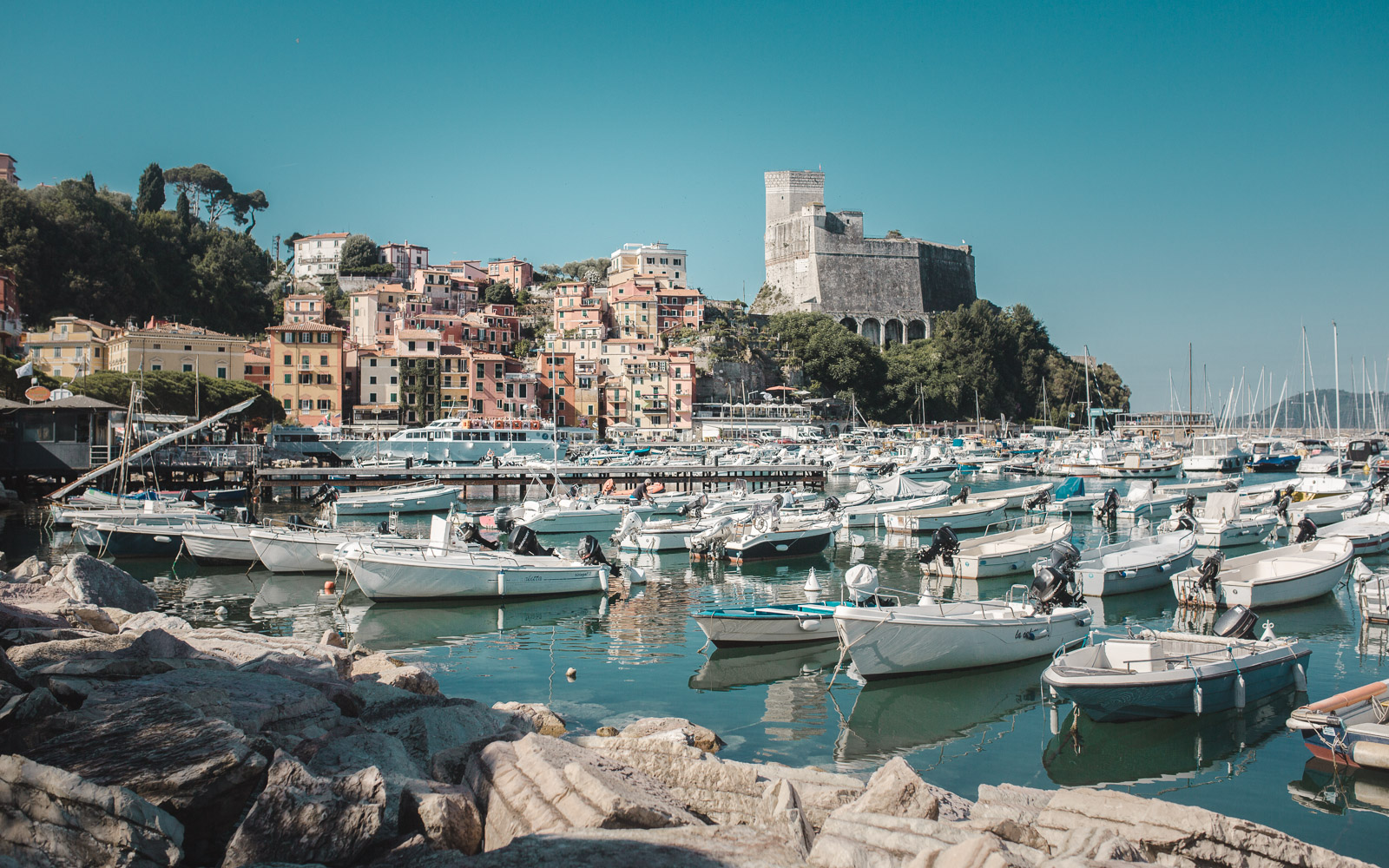
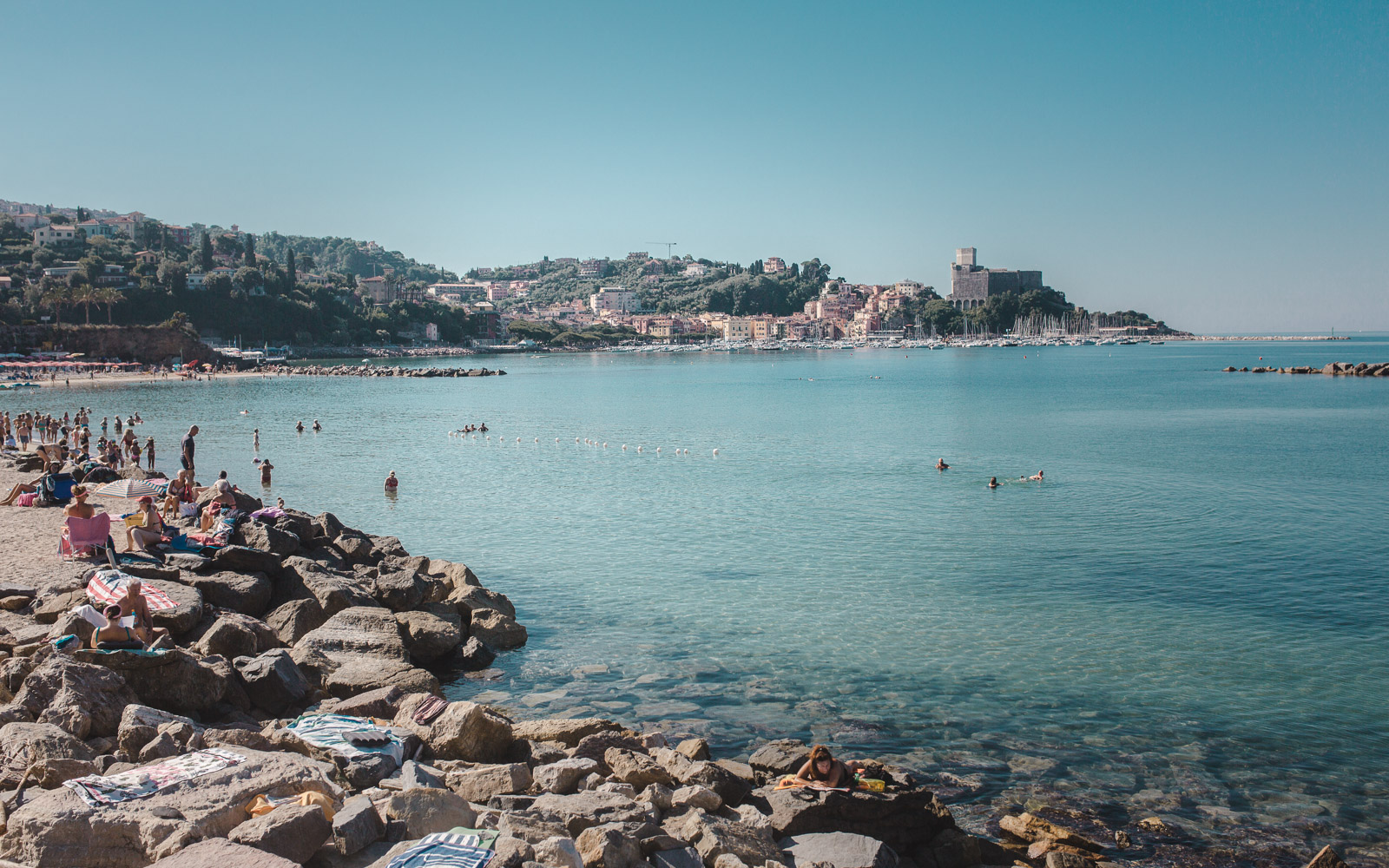
The Italian Riviera is littered with beautiful towns, only problem you're going to have is deciding which ones to miss! On our drive up to Siena we had breakfast in Lerici, and although it was a Tuesday morning the locals were out in full force sunbathing on rocks and generally making the most of this hidden gem of a town. The most interesting part of Lerici is the historical quarter around the Via del Ghetto between Piazza Garibaldi and the castle, and the stroll along the picturesque waterfront promenade - including of course a pause in one of the many cafes and restaurants.
[separator type="thin"]
Thanks for taking the time to read my latest article. If you wish to support my work please give it a share using the links below or just follow my social channels
[separator type="thin"]
 [separator type="thin"]
As always stay classy and if you have a story you wish to share please contact editorial@thestyledivision.com or tag your social posts with #DVSN
[separator type="thin"]
 [separator type="thin"]
 [separator type="thin"]
 [separator type="thin"]
 [separator type="thin"]



 [separator type="thin"]
 [separator type="thin"]


 [separator type="thin"]
 [/column]
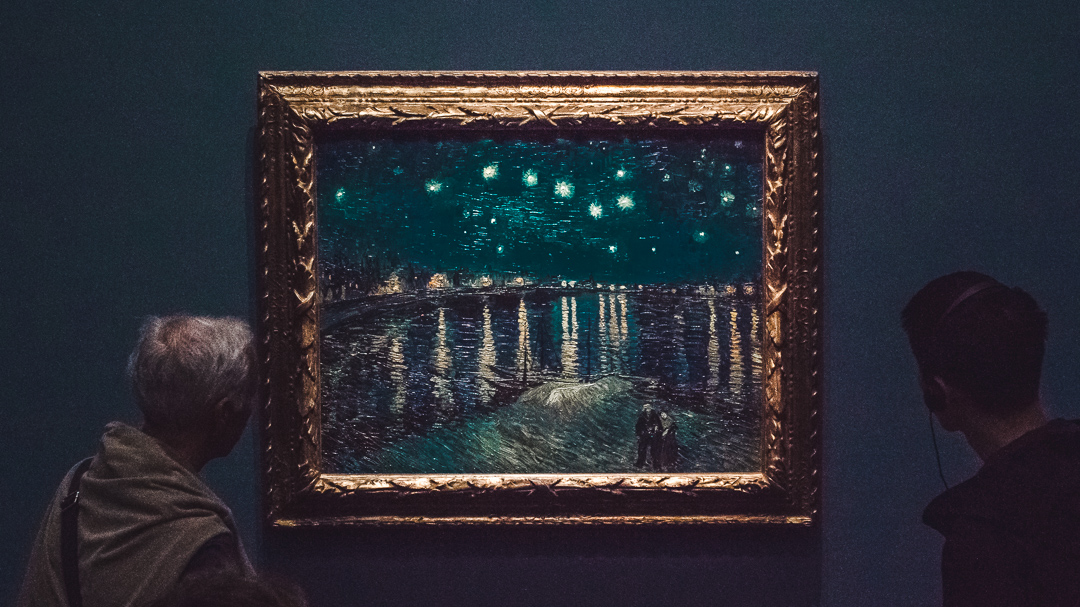 The Dutch painter, Vincent van Gogh (1853 - 1890), spent most of his life in France. In 1886 he went to live with his brother Theo who ran the Boussod, Valadon & Cie art gallery on Boulevard. His discovery of the paintings of Monet, Renoir, Toulouse-Lautrec and Gauguin, was a catalyst for change in his own art: he abandoned the sombre Naturalism of his early work in favour of a colourful palette and subjects taken from modern life. The simplification in Japanese prints, the Pointillism of Seurat and Signac and Emile Bernard's Cloisonnism also contributed to the development of his style. After the excitement of his stay in Paris, Van Gogh withdrew to Arles to continue his experiments with colour. He painted portraits of great sensitivity and landscapes expressing the radiant power of nature, demonstrating his creative exhilaration.


















